

Platinum vs White Gold: Which Should You Choose?
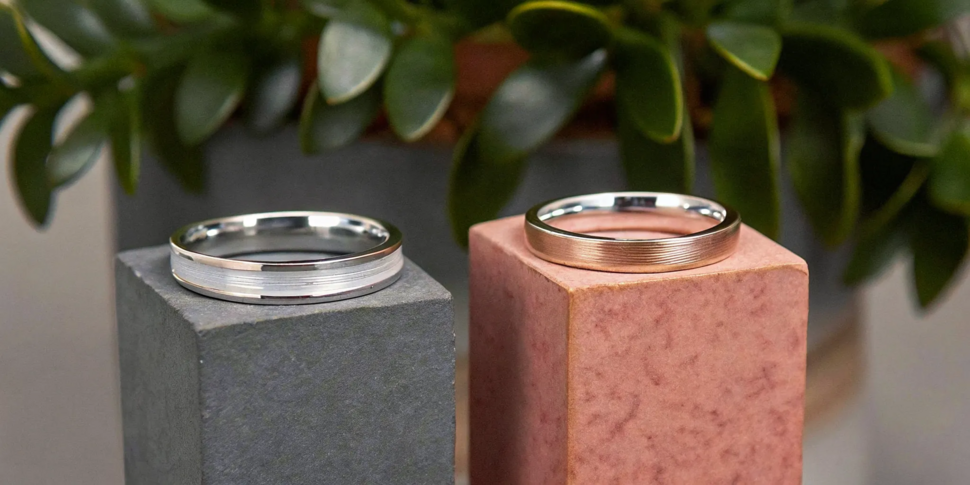
The metal you choose for your jewelry will develop its own unique character over time, telling the story of your life through its finish. This is where the differences between platinum vs white gold become truly beautiful. Platinum, a naturally white metal, ages by developing a soft, satin-like finish called a patina. Many people love this warm, antique glow, as it reflects a life well-lived. White gold, on the other hand, is designed to maintain its brilliant, mirror-like shine with a little help. Its story is one of consistent brightness. Understanding how each metal evolves will help you decide which narrative best fits your personal style and the legacy you want your piece to carry.
Key Takeaways
- Platinum's color is natural and permanent: Because it's a naturally white metal, platinum will never fade or change color, requiring only occasional polishing to restore its shine. White gold needs its rhodium plating reapplied every few years to maintain its bright, silvery-white look.
- Each metal tells a different story as it ages: Platinum is a softer metal that develops a unique satin finish, or patina, from daily wear, which many people love. In contrast, white gold is a harder alloy that resists scratches better, but its appearance changes when the surface plating wears away.
- Your budget involves more than the initial price: White gold has a lower upfront cost, making it a great choice for maximizing your budget for a specific stone or design. Platinum costs more initially but has no long-term maintenance costs related to its color.
Platinum vs. White Gold: What Are They, Really?
When you’re looking at a stunning ring, it can be tough to tell platinum and white gold apart just by looking. They both have that beautiful, silvery-white shine that makes diamonds pop. But underneath the surface, these two metals are completely different. Their unique makeups affect everything from how they wear over time to how much they cost and what kind of care they need. Let's break down what each metal is actually made of, so you can get a clearer picture of which one fits your life and style.
What's in Platinum?
Platinum is a naturally white metal, which means its cool, silvery color is its true color. It doesn't need any special coatings to look that way. When we talk about platinum jewelry, we're usually talking about a piece that is 90% to 95% pure platinum. The remaining 5% to 10% is a mix of similar metals, like iridium or ruthenium, which are added to make the alloy stronger and more durable for everyday wear. This high purity level is one reason why platinum is a premium choice, especially for important pieces like those in our bridal collection. It’s also naturally hypoallergenic, which is a huge plus for anyone with sensitive skin.
What's in White Gold?
Unlike platinum, white gold doesn't start out white. It’s actually an alloy made by mixing pure yellow gold with white metals like palladium, silver, or nickel. This process gives the gold a lighter, more silvery hue. To get that signature bright white shine, most white gold jewelry is finished with a coating of rhodium, a metal from the platinum family. This rhodium plating is what gives it that crisp, reflective look you love. While it's a beautiful and popular option for all kinds of fine jewelry, it's important to remember that the plating can wear off over time, which is something we'll talk more about later.
How Do They Wear? A Look at Durability
When you’re choosing a piece of jewelry you’ll wear every day, durability is about more than just strength. It’s about how the metal will evolve with you and your life. Both platinum and white gold are excellent, sturdy choices for pieces like an engagement ring, but they age in very different ways. One develops a story through its surface, while the other needs a little refresh to maintain its original look. Understanding these differences is key to picking the metal that fits your lifestyle best.
How Platinum Ages: Scratches and Patina
Platinum is incredibly dense and strong. When it gets scratched from daily wear, the metal isn’t actually lost; it’s just displaced, moving from one spot on the ring to another. Over time, these tiny scratches blend together to create a beautiful, soft, matte finish known as a patina. Many people fall in love with this look, as it gives the piece a soulful, lived-in character that’s unique to the wearer. If you prefer a bright, high-shine finish, don’t worry. A professional polish can easily restore its original luster, giving you the flexibility to choose how your jewelry looks over the years.
How White Gold Wears: Rhodium Plating
White gold gets its brilliant, silvery-white shine from a thin coating of rhodium, a metal from the platinum family. Think of it as a protective, beautifying layer. Because this is a plating, it can wear down over time, especially on high-contact areas like the bottom of a ring. When this happens, you might start to see the slightly warmer, yellowish hue of the underlying white gold alloy. This is completely normal and part of the nature of the metal. To keep it looking crisp and white, most white gold jewelry needs to be re-plated every year or so, depending on your lifestyle and body chemistry.
Comparing Costs: Platinum vs. White Gold
Let’s talk about one of the biggest factors in choosing your metal: the price. When you’re investing in a piece of fine jewelry you’ll wear for years, the budget is always part of the conversation. The cost difference between platinum and white gold isn’t just about the initial price tag; it’s also about what you’ll spend on maintenance over the lifetime of your piece. This is a detail that often gets overlooked in the excitement of choosing a beautiful design, but it's crucial for making a decision you'll be happy with long-term.
Thinking about both the upfront cost and the long-term value will help you decide which metal truly fits your lifestyle and budget. One isn't necessarily better than the other, but understanding the financial side of things ensures you’ll feel confident and happy with your choice for years to come. We’ll break down what you can expect to pay at the counter and what you might spend down the road to keep your jewelry looking its best. It’s all about finding the perfect balance between what you love and what makes sense for you. Whether you prioritize a lower initial spend or prefer an investment that requires less upkeep, we've got the details you need to make the right call.
The Upfront Price
When you first look at price tags, you’ll notice that platinum is more expensive than white gold. This isn't just a matter of branding; it comes down to the nature of the metal itself. Platinum is significantly rarer than gold, and it's also much denser. This means that for two rings of the exact same size and design, the platinum one will be heavier and contain more precious metal.
Because platinum is used in jewelry in a purer form (typically 95% pure), its price more closely reflects the market value of the metal. White gold, on the other hand, is an alloy of gold mixed with other metals. This combination, along with gold being less dense, contributes to its lower initial cost. So, if your primary concern is the initial investment, white gold is the more budget-friendly option.
Long-Term Value and Maintenance
While white gold wins on the initial price, platinum often comes out ahead when you consider long-term value and maintenance. Platinum is an incredibly strong and durable metal. When it gets scratched, the metal is simply displaced, not lost. Over time, this creates a unique, soft finish called a patina, which many people love. You can always have it polished back to a high shine, but you won’t lose any of the metal itself.
White gold, however, requires a bit more upkeep. Its bright, silvery-white color comes from a thin plating of rhodium. This plating wears away over time, revealing the slightly yellowish tint of the white gold alloy underneath. To keep it looking its best, you’ll need to have your jewelry re-plated with rhodium every few years, which adds an ongoing maintenance cost.
Caring for Your Jewelry: A Maintenance Comparison
How you care for your jewelry is just as important as the piece you choose. When it comes to platinum and white gold, the maintenance routines are quite different, and this is often a deciding factor for many people. One metal develops a unique finish over time, while the other requires regular upkeep to maintain its original color. Understanding these differences will help you pick the metal that best fits your lifestyle and how much time you want to spend on maintenance. Whether you're choosing a piece from our bridal collection or a ring for everyday wear, knowing what to expect will ensure you love your jewelry for years to come.
Keeping Platinum Polished
One of platinum's biggest draws is its low-maintenance nature. Because platinum is a naturally white metal, it doesn't need any special coating to achieve its bright, silvery luster. That beautiful color is there to stay and won't fade or change over time. Instead of wearing away, platinum develops a soft, satin finish known as a patina. Many people love this look, as it gives the piece a soulful, vintage character. If you prefer a high-shine finish, however, a quick professional polish is all it takes to restore its original gleam. This means you get to decide how your jewelry looks as it ages with you.
Maintaining White Gold: The Deal with Re-Plating
White gold gets its brilliant white shine from a thin coating of rhodium, a rare metal from the platinum family. Since white gold is made from yellow gold mixed with white alloys, it has a naturally warm, slightly yellowish tint. The rhodium plating gives it that crisp, bright-white appearance. Over time, this plating will wear away, typically within one to two years, depending on how often you wear the piece. When this happens, the warmer color of the gold beneath will start to show through. To keep your jewelry looking its best, you'll need to have it re-plated periodically. This is a standard part of owning white gold and something to factor into your long-term care plan.
Which Metal Is Best for Sensitive Skin?
There’s nothing worse than falling in love with a piece of jewelry, only to find out it leaves your skin red and itchy. Metal allergies are surprisingly common, and they can turn a beautiful ring into something you can’t even wear. When you’re choosing a piece you’ll have on every day, like an engagement ring or wedding band, thinking about skin sensitivity is a must. The good news is that by picking the right metal from the start, you can wear your favorite jewelry comfortably for years to come. Let's look at how platinum and white gold stack up for sensitive skin.
Why Platinum Is Hypoallergenic
If you have sensitive skin, platinum is your best friend. It’s a naturally hypoallergenic metal, which means it’s extremely unlikely to cause an allergic reaction. This is because the platinum used in jewelry is typically 95% pure. The other 5% is usually a mix of other non-irritating metals, so you don't have to worry about mystery alloys causing a problem. Because of its purity, platinum is one of the safest choices you can make, especially for something as important as your bridal jewelry. You can wear it with total peace of mind, knowing it won’t cause discomfort.
White Gold and Allergies: What to Know
White gold can be a bit more complicated for those with sensitive skin. Traditionally, white gold gets its silvery hue from being alloyed with white metals, and one of the most common is nickel. Unfortunately, nickel is a frequent culprit behind skin allergies. If you've ever had a reaction to a pair of earrings or a belt buckle, there's a good chance nickel was involved. However, this doesn't mean white gold is completely off the table. Many modern jewelers, including the designers we carry, now create nickel-free white gold using hypoallergenic alloys like palladium. Just be sure to ask about the specific composition before you buy.
How Their Appearance Changes Over Time
One of the most beautiful things about fine jewelry is how it becomes a part of your story, and the way a piece wears over the years is part of that narrative. Both platinum and white gold will evolve with you, but they do so in distinctly different ways. While one develops a soft, lived-in glow, the other requires a bit of upkeep to maintain its initial brilliance. Understanding how each metal ages is key to choosing the one that best fits your life and style.
The Platinum Patina: A Natural Glow
Because platinum is a naturally white metal, its color is permanent. It will never fade or change hue. Over time, through daily wear, platinum develops what’s known as a patina. This isn't damage; it's a soft, satin-like finish that results from tiny scratches on the surface. Many people adore this look, as it gives the piece a warm, antique character, something you'll often see in beautiful vintage and estate pieces. If you prefer a bright, high-polish look, don't worry. A quick professional polishing will easily restore your platinum jewelry to its original mirror-like shine.
White Gold's Transformation: Fading and Yellowing
White gold gets its silvery-white appearance from a combination of yellow gold alloyed with white metals and a final coating of rhodium. Rhodium is a bright, hard, silvery-white metal from the platinum family that gives the piece its stunning reflective finish. However, this plating isn't permanent. Over time, friction from daily activities will cause the rhodium to wear away, revealing the slightly yellowish tint of the white gold alloy underneath. This means your ring will need to be re-plated every few years to keep it looking bright and white, an important factor to consider for everyday bridal jewelry.
Don't Believe the Hype: Common Metal Myths
When you’re choosing a metal for a piece you’ll love for years, it’s easy to get caught up in popular opinion. But not everything you hear is the whole truth. Understanding the real properties of these metals will help you make a choice you feel confident about, without any surprises down the road. Let's look at two of the biggest myths out there.
The Myth of the "Indestructible" Metal
Platinum is often marketed as the toughest metal out there, and while it's incredibly strong, it's not invincible. Here's the deal: platinum is a dense, heavy metal, but it's also softer than 14k gold. This means it can actually get scratched and scuffed more easily. When platinum is scratched, the metal gets moved around on the surface, creating a unique finish called a patina. So, while it won't chip or break, it will show the story of your life over time. This is something to keep in mind for any piece of jewelry you plan to wear daily.
The Truth About Color and Coatings
Another common point of confusion is the color of these two metals. At first glance in the jewelry case, they look almost identical. However, their color comes from very different places. Platinum is a naturally white metal, so its silvery-white hue is permanent and will never fade or change. White gold, on the other hand, is made from yellow gold mixed with white metal alloys. To get that bright, reflective finish, it's coated with a thin layer of rhodium. This plating looks stunning, but it does wear away over time, revealing the slightly warmer tone of the white gold underneath. This is a key difference to consider when choosing your perfect bridal set.
Matching the Metal to Your Jewelry
Choosing between platinum and white gold isn't just about aesthetics or cost; it's also about matching the metal's properties to the life of the jewelry piece. A ring you’ll wear every day for the rest of your life has different needs than a pair of earrings you wear on special occasions. Thinking about how and when you’ll wear your jewelry can make the decision much clearer. Let’s look at two of the most common scenarios to help you find the perfect fit for your lifestyle and your collection.
The Best Choice for Engagement and Wedding Rings
When it comes to the rings that symbolize your biggest commitments, durability is key. This is where platinum truly shines. Platinum is often the top choice for bridal jewelry because of its incredible strength and lasting color. As a naturally white and pure metal, a platinum ring is typically 90% to 95% pure platinum, making it dense and substantial. When platinum gets scratched, the metal is displaced but not lost, so it holds its volume over time. This resilience means it develops a soft, matte finish known as a patina, a beautiful symbol of a love that endures through the years.
Picking a Metal for Everyday Wear
For pieces you love to wear daily, like a signature necklace or a right-hand ring, the decision is a bit more nuanced. White gold is a fantastic option here. Because it's an alloy, white gold is generally harder than platinum and can be more resistant to deep scratches, helping it keep its bright, shiny finish longer. While it’s typically more affordable upfront, it does require re-plating every few years to maintain its silvery-white color. If you prefer a low-maintenance piece that will stay white forever without extra upkeep, platinum is still an excellent choice for your everyday jewelry. It really comes down to balancing initial cost with long-term care.
So, Which One Is Right for You?
Choosing between platinum and white gold is a personal decision. There’s no single "best" answer, only what’s best for you. After comparing their composition, durability, and maintenance needs, the final choice often comes down to two key factors: your budget and your daily life. By thinking through how a piece will fit into your world, you can feel confident picking the metal that you’ll love wearing for years to come. Let’s break down these final considerations to help you make your choice.
Consider Your Budget
Let's talk numbers. Platinum is the more premium option, typically costing 40% to 50% more than white gold. This is because platinum is rarer and much denser, so more of it is needed to create the same ring. If your heart is set on a specific diamond or a design from one of our incredible designers, choosing white gold can free up more of your budget for the main event. While white gold does require re-plating every few years to maintain its bright white color, its lower upfront cost makes it a more accessible choice for many.
Think About Your Lifestyle and Personal Style
How you live your life plays a huge role in choosing the right metal. If you work with your hands or have a very active lifestyle, platinum’s durability is a major advantage. It’s incredibly strong and resistant to bending, making it a secure choice for setting precious stones in bridal jewelry. Platinum is also hypoallergenic, which is perfect for anyone with sensitive skin. On the other hand, if you prefer a lighter-feeling piece, white gold might be more comfortable for you. Ultimately, the best way to decide is to try them on. We invite you to book an appointment to feel the difference for yourself.
Related Articles
- Men's Platinum Wedding Band: The Ultimate Guide
- Platinum Engagement Rings: A Buyer's Guide
- What to Know Before Buying a Platinum Wedding Band
Frequently Asked Questions
Why is platinum so much more expensive than white gold? The price difference comes down to three key factors: rarity, density, and purity. Platinum is a rarer metal than gold, and it's also much denser. This means a platinum ring is heavier and contains more precious metal than the exact same ring made of gold. Additionally, platinum jewelry is typically 95% pure metal, while 14k white gold is about 58% pure gold, which also contributes to the higher cost.
I've heard platinum is stronger but also scratches more easily. How does that work? This is a great question because it highlights the unique properties of each metal. Platinum is incredibly dense and strong, which means it's very resistant to bending and is excellent at holding gemstones securely. However, it is a softer metal than a 14k white gold alloy, so it can show surface scratches more easily. The important thing to know is that when platinum is scratched, the metal is just moved aside, not lost. This process creates a unique finish over time.
What will my ring actually look like in five years? A platinum ring will develop a soft, satin-like finish known as a patina. Its beautiful silvery-white color will look the same because that's the metal's natural state. A white gold ring, on the other hand, will likely show some change. The rhodium plating that gives it a bright white shine will probably have worn down, revealing the slightly warmer tone of the gold alloy underneath. It will need to be re-plated to restore its original crisp, white look.
I have really sensitive skin. Is white gold completely out of the question for me? Not necessarily, but you do need to be selective. Skin reactions from white gold are often caused by nickel, which is a common metal used in the alloy. However, many contemporary designers now use other metals, like palladium, to create beautiful, nickel-free white gold. If you have sensitive skin, platinum is always the safest choice since it's naturally hypoallergenic. If you fall in love with a white gold piece, just be sure to ask if it's made with a nickel-free alloy.
How often does white gold really need to be re-plated? This truly depends on your lifestyle and personal body chemistry. For a ring you wear every single day, you can generally expect to have it re-plated every one to two years to maintain its bright, reflective shine. If you have a piece you wear less frequently, like a pair of earrings or a special occasion necklace, you might go much longer between services. It's just a normal part of owning and caring for white gold jewelry.
Recent articles
View all
Brooke's Holiday Favorites - 2025

Holly's Holiday Favorites - 2025