
Lab Grown vs Natural Diamond: Which Is Right for You?
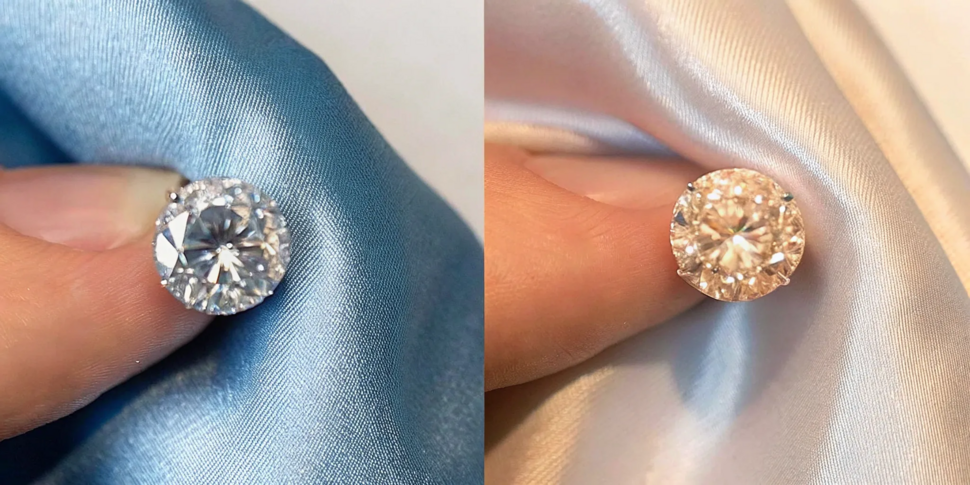
Every piece of jewelry tells a story, and the origin of your diamond is a huge part of its narrative. A natural diamond holds the incredible story of our planet’s history, formed over billions of years deep within the Earth. Each one is a rare, unique treasure. A lab-grown diamond tells a different story—one of human ingenuity and scientific achievement, created in a controlled environment that replicates nature’s process. Since they are visually identical, the choice of lab grown vs natural diamond is really about which story resonates with you more. Do you connect with the ancient romance of the earth, or the modern marvel of the lab? Let’s explore both narratives.
Key Takeaways
- Focus on the Story, Not the Sparkle: Lab-grown and natural diamonds are physically and chemically identical, meaning they have the same beauty and durability. Your decision comes down to the origin story you prefer: the ancient rarity of a natural stone or the modern innovation of a lab-grown one.
- Decide Between Upfront Cost and Long-Term Value: Your budget goes much further with a lab-grown diamond, allowing you to prioritize a larger size or higher quality for the price. Natural diamonds, however, have a long history of holding their value due to their rarity, making them a more traditional investment.
- Align Your Purchase with Your Principles: If a guaranteed conflict-free origin and a smaller environmental footprint are important to you, a lab-grown diamond is the clear choice. This option provides complete transparency and ensures your jewelry aligns with your ethical values.
Lab-Grown vs. Natural Diamonds: What's the Real Difference?
When you start shopping for a diamond, whether it’s for an engagement ring or a special piece of jewelry, one of the first questions you’ll face is: lab-grown or natural? It’s a big topic, and it’s easy to get lost in all the opinions out there. The truth is, there’s no single right answer—the best choice is the one that feels right for you. Both options result in a beautiful, sparkling diamond, but they have very different stories and origins. The great news is that you have incredible choices that weren't available a generation ago.
The main distinction lies in how they are created. One is a marvel of nature, formed over billions of years deep within the Earth. The other is a triumph of modern technology, grown in a lab that mimics those same natural conditions. Because they are physically and chemically identical, the choice often comes down to what you value most. Do you cherish the romance and rarity of a stone that’s a piece of the Earth’s history? Or do you appreciate the innovation and controlled environment of a lab-created gem? Understanding their origins is the key to making a confident decision. Let’s break down exactly how each type of diamond comes to be.
How Are Lab-Grown Diamonds Made?
Think of a lab-grown diamond as a crystal that’s been given a head start. Lab-grown diamonds are created using advanced technology that replicates the natural formation process in a controlled environment. The process starts with a tiny diamond “seed”—a sliver of a pre-existing diamond. This seed is placed in a chamber that exposes it to intense heat and pressure or to a carbon-rich gas. Over several weeks, carbon atoms attach to the seed, and the diamond grows layer by layer. The result is a rough diamond that is then cut and polished, just like a natural one. It’s a fascinating blend of science and artistry, creating a stone that is every bit a real diamond.
How Do Natural Diamonds Form?
Natural diamonds have one of the most incredible origin stories on the planet. They form deep inside the Earth—we’re talking 100 miles below the surface—over millions to billions of years from carbon, under extreme heat and pressure. This intense environment transforms simple carbon into the hardest natural substance known to man. These precious gems are then brought to the surface by rare, deep-source volcanic activity, a journey that can take them from the mantle to a mine. Each natural diamond is a unique relic of our planet’s history, a tiny, tangible piece of deep time. This incredible journey is what gives our vintage and estate pieces such a rich story.
Are They Chemically the Same?
This is the most important takeaway: yes, they are absolutely the same. Lab-grown diamonds are identical in both chemical makeup and appearance to natural diamonds, providing the same beauty and sparkle. A diamond is defined by its chemical structure—a crystal lattice of carbon atoms. Since lab-grown diamonds have this exact same structure, they are real diamonds. They have the same hardness, brilliance, and fire as their natural counterparts. In fact, without specialized gemological equipment, even a trained expert can’t tell the difference. You get the same stunning stone, just with a different origin story. This means you can confidently choose from our incredible designers knowing the quality is there, regardless of origin.
Let's Talk Price: A Cost Comparison
Let’s be honest: for most of us, budget plays a big role when choosing a diamond. This is where one of the most significant differences between lab-grown and natural diamonds comes into play. The price gap can be substantial, and understanding why it exists is key to deciding which stone is the right fit for your life and your wallet. It’s not just about the final number on the price tag; it’s about what that number gets you in terms of size, quality, and the story behind your stone. This decision can feel big, but breaking it down makes it much more manageable.
Choosing a lab-grown diamond might mean you can get a larger stone or a higher clarity grade without stretching your budget. This can be a huge win if visual impact is at the top of your list. On the other hand, the premium price of a natural diamond is tied to its rarity and its billion-year-old origin story—a piece of the Earth’s history. Neither is better than the other; it’s simply a matter of what you value most. Thinking about how you want to allocate your budget for a special piece, like an engagement ring, can help guide you toward the perfect choice that you'll love for years to come.
How Carat Size Affects the Price Tag
The most immediate difference you’ll notice is that lab-grown diamonds are typically 30-50% less expensive than natural diamonds of the same size and quality. What does this mean for you? It means your budget goes a lot further. You might find that the 1.5-carat lab-grown diamond you’ve been eyeing is suddenly within reach, for around the same price as a 1-carat natural diamond. This price difference allows you to prioritize size and visual impact without compromising on the other important qualities, like cut and clarity. It opens up possibilities that might have previously felt out of reach.
What Else Influences the Cost?
The price difference really comes down to supply and demand. Natural diamonds are a finite resource. Their formation process takes billions of years deep within the Earth, and they can’t be rushed or replicated by nature. This inherent rarity is a key factor in their higher cost. Lab-grown diamonds, however, are created in controlled environments using advanced technology. Because scientists can replicate the diamond-growing process, the supply is potentially unlimited. This efficiency and availability make them a more affordable option. It’s the classic story of a rare, natural treasure versus a marvel of modern innovation.
Thinking About Long-Term Value
When you buy a diamond, you’re also thinking about its future. Natural diamonds have a long-established history of holding their value over time, precisely because they are rare. They are often passed down as heirlooms, carrying both sentimental and financial worth. Lab-grown diamonds are newer to the jewelry world. While they are chemically identical to natural diamonds, their value trajectory is different. As technology improves and production increases, experts expect the value of lab-grown diamonds to decrease over time. This makes a natural diamond a better choice if long-term investment is a priority, much like the timeless pieces in our Vintage & Estate collection.
Weighing the Pros and Cons
Choosing a diamond is a big decision, and both lab-grown and natural stones have compelling arguments. There’s no single "right" answer—it all comes down to what you value most. Are you focused on budget and ethics, or do you cherish rarity and long-term value? Let's break down the key benefits of each so you can feel confident in your choice.
Why Choose a Lab-Grown Diamond?
If getting the most for your money is a top priority, a lab-grown diamond is an incredible option. Because they are created in a controlled environment, they are generally less expensive than natural diamonds of the same size and quality. This means you can often opt for a larger stone or a higher clarity grade without stretching your budget. Lab-grown diamonds are also an ethical choice, as their origin is fully traceable and free from the environmental and humanitarian concerns associated with mining. They offer a modern, scientific alternative with the exact same sparkle and durability as their natural counterparts.
Why Choose a Natural Diamond?
For many, the allure of a natural diamond is its incredible story. Formed over billions of years deep within the Earth, each one is a completely unique piece of natural history. This rarity and timelessness are a huge part of their charm. Natural diamonds are also seen as a store of value, with a long history of retaining and even increasing their worth over time. Many people feel a deep connection to owning something so rare and ancient, a quality that technology can't replicate. This makes them a classic choice for significant pieces like those in our bridal collection.
Can You Actually Tell the Difference?
This is one of the most common questions we hear, and it’s a great one. Let's get straight to it: visually, there is no difference between a lab-grown and a natural diamond. If you placed a natural diamond and a lab-grown diamond of the same quality side-by-side, you wouldn’t be able to tell which was which just by looking at them. They share the exact same chemical makeup, physical properties, and optical brilliance. Think of it like ice: one piece could be from a frozen-over mountain lake, and the other from the freezer in your kitchen. They're both frozen water, and you can't tell their origin just by looking.
The real distinction between these two types of diamonds lies in their origin story—one formed over billions of years deep within the Earth, and the other was created in a highly controlled laboratory environment. While your eyes can't spot the difference, gemological experts with specialized equipment can. This is why certification is so important in the diamond world. It provides a clear and unbiased report on the diamond's characteristics, including its origin, so you know exactly what you are purchasing.
Spotting the Difference by Eye
The short answer is, you can’t. Lab-grown and natural diamonds are optically and chemically identical. They both sparkle with the same fire and brilliance because they are both made of pure, crystallized carbon. They have the same hardness, the same refractive index, and the same stunning beauty that makes a diamond so captivating. Whether it’s set in one of our unique bridal pieces or a custom design, a lab-grown diamond will perform just like a natural one. So, if you're worried that choosing a lab-grown diamond means sacrificing that classic diamond look, you can put that concern to rest. No one, not even a seasoned jeweler, can tell the difference without advanced testing.
How Professionals Certify a Diamond
While you can't see the difference, a trained gemologist using specialized equipment certainly can. The tell-tale signs are found at a microscopic level. For instance, natural diamonds contain tiny amounts of nitrogen that were trapped during their formation deep in the earth, while lab-grown diamonds are typically nitrogen-free. This is one of the key markers gemological labs use to identify a diamond's origin. Both natural and lab-grown diamonds are graded by independent labs using the exact same standards, including the 4 Cs. The final certification report will always clearly state whether the diamond is natural or laboratory-grown. This transparency ensures you can feel confident in your choice, and we’re always here to walk you through a diamond’s certification when you book an appointment with us.
The Ethical Question: Sourcing Your Diamond
When you choose a diamond, you’re not just buying a stone; you’re buying its story. Where it came from and how it got to you is a huge part of that narrative. For many of us, knowing that our jewelry aligns with our values is just as important as its sparkle. This is where the conversation about sourcing becomes so critical. The journey of a diamond from its origin to a beautiful piece of jewelry involves real-world impacts on both the environment and people.
Whether you lean toward a natural or lab-grown diamond, understanding the ethical implications of each can help you make a choice you feel great about for years to come. It’s about transparency and making an informed decision that reflects what matters most to you. Let’s look at the key differences in the environmental and human impact of sourcing these beautiful gems.
Comparing the Environmental Footprint
The environmental cost of a diamond is a major consideration for many buyers. Traditional diamond mining is an intensive process that can have a significant impact on the planet. It requires moving massive amounts of earth, using large quantities of water, and consuming considerable energy, which contributes to a larger carbon footprint. The land disruption alone can permanently alter ecosystems.
In contrast, lab-grown diamonds are created in highly controlled settings that mimic the natural growing process. Because they don't require large-scale mining operations, they generally have a much smaller environmental footprint. Creating a diamond in a lab requires fewer natural resources and generates significantly less waste, making it an appealing choice for anyone prioritizing sustainability.
The Human Side of Diamond Sourcing
The history of diamond mining is unfortunately tied to serious human rights concerns. The term "conflict diamonds" or "blood diamonds" refers to stones mined in war-torn areas and sold to fund conflicts. Beyond that, the industry has faced issues with unsafe working conditions and exploitation. In some regions, child labor remains a tragic problem, with children forced to work in dangerous mines.
This is an area where lab-grown diamonds offer a clear alternative. Because they are grown in a laboratory, there is no risk of them being associated with conflict or unethical labor practices. The origin of every lab-grown diamond is known and traceable, providing a guarantee that your purchase did not contribute to human suffering. This peace of mind is one of the most compelling reasons people choose lab-grown stones.
Understanding "Conflict-Free" and Transparency
The jewelry industry has taken steps to address these ethical issues, most notably with the Kimberley Process, a system designed to prevent conflict diamonds from entering the mainstream market. While it’s a step in the right direction, it has limitations and doesn’t guarantee a diamond is entirely free from other ethical concerns. This is why transparency from your jeweler is so important.
Lab-grown diamonds are inherently "conflict-free" because their origin is controlled and documented. For natural diamonds, it’s essential to work with jewelers who are committed to ethical sourcing and can tell you about the origins of their stones. At Element 79, we partner with designers who share our commitment to responsibility. We believe in educating our clients so you can feel confident in your choice, and we’re always here to answer your questions when you book an appointment.
A Closer Look at Quality and Beauty
When you’re looking at a diamond, what you see is its fire, brilliance, and character—not its origin story. Both lab-grown and natural diamonds offer the same stunning visual appeal, but understanding the nuances can help you feel even more confident in your choice. The great news is that you don’t have to sacrifice beauty or quality, regardless of which path you take. Both options produce breathtaking jewelry that you’ll cherish for a lifetime. Let’s break down how they stack up on the key factors that define a diamond’s beauty.
How Do They Compare on the 4 Cs?
Here’s the simple truth: lab-grown and natural diamonds are identical in appearance and are graded on the exact same scale. Whether it was formed in the earth or in a lab, every diamond is evaluated by the 4 Cs: cut, color, clarity, and carat. A two-carat, VVS1, D-color natural diamond will look exactly the same as a lab-grown diamond with the same specs. Independent gemological labs certify both types using the same rigorous standards, so you can trust the quality you’re paying for. This means you can focus on finding a stone that has the sparkle and characteristics you love, knowing that quality is consistent across both categories.
Let's Talk Durability and Sparkle
A diamond is a diamond, and that means it’s the hardest natural substance on earth. Both lab-grown and natural diamonds score a perfect 10 on the Mohs scale of hardness, making them equally durable for everyday wear in an engagement ring or any other piece of fine jewelry. Their sparkle is also identical. A diamond’s brilliance comes from its cut, not its origin. The only real internal difference is that natural diamonds contain tiny amounts of nitrogen, which lab-grown diamonds don’t—but this is something only a gemologist with special equipment can detect. For you, the wearer, the experience of a brilliant, durable, and sparkling stone is the same.
How Your Choice Affects Jewelry Design
Your choice between a lab-grown and a natural diamond doesn’t limit your design options—in fact, it can expand them. Because lab-grown diamonds often come at a more accessible price point, you might find you have more room in your budget to play with. This could mean opting for a larger center stone or a more intricate setting from one of our incredible designers. It gives you the freedom to prioritize what matters most, whether that’s size, design complexity, or metal choice. Ultimately, both types of diamonds can be set in any style you can imagine, from a classic solitaire to a unique vintage-inspired piece.
Clearing Up Myths About Lab-Grown Diamonds
When you start exploring the world of diamonds, you’ll likely come across a lot of opinions, especially about lab-grown stones. It’s easy to get tangled up in misinformation, and frankly, it can feel overwhelming. Let’s take a moment to clear the air and address some of the most common myths head-on. My goal is to give you the clear, straightforward facts so you can feel confident as you search for the perfect piece, whether it’s for a bridal set or a new addition to your personal collection.
The conversation around lab-grown diamonds has evolved quickly, and with that comes a lot of outdated ideas. These stones are a testament to incredible technology, offering a modern alternative to traditionally mined diamonds. But are they fake? Will they lose their value? Are they just as beautiful? These are the questions we hear all the time in our showroom. By separating fact from fiction, you can make a choice that feels right for you, your values, and your budget, without any lingering doubts. We believe that knowledge is the most important tool you can have when choosing jewelry that you'll love for a lifetime. Let's get into it and tackle these myths one by one.
Myth: They're "Fake" or Not Real Diamonds
Let’s get this one out of the way first: lab-grown diamonds are real diamonds. They aren't imitations like cubic zirconia or moissanite. A lab-grown diamond has the exact same chemical, physical, and optical properties as a diamond that came from the earth. Think of it like ice from your freezer versus ice from a frozen lake—it’s all frozen water. Because they are identical down to the atomic level, they sparkle and shine in the exact same way. When you’re admiring a piece of fine jewelry, you’re seeing a true diamond, regardless of its origin.
Myth: They Won't Hold Their Value
The conversation about value is more about rarity than it is about the diamond itself. Natural diamonds are a finite resource, and that rarity is a major factor in their long-term market value. Lab-grown diamonds can be produced in larger quantities, which means their resale value may not hold in the same way. While it's true that a natural diamond is often seen as a more traditional store of value, many people choose a lab-grown diamond for its upfront affordability and ethical benefits, rather than as a financial investment. It’s simply a different set of priorities.
Myth: They Aren't as High-Quality
This is another common misconception. The quality of any diamond, whether grown in a lab or mined from the earth, is judged by the same strict standards: the 4 Cs (cut, color, clarity, and carat). A lab-grown diamond can be just as flawless—or flawed—as a natural one. In fact, because they are created in highly controlled environments, it's possible to produce exceptionally high-quality stones. The beauty and sparkle are identical. Our designers select their materials based on exceptional quality, and that includes both lab-grown and natural diamonds that meet their artistic standards.
How to Choose the Right Diamond for You
Deciding between a lab-grown and a natural diamond is a personal choice, and there’s truly no wrong answer. The right diamond for you is the one that aligns with your values, fits your budget, and feels perfect for the occasion. It’s less about which one is “better” and more about which one is better for you. By thinking through a few key questions, you can feel confident in your decision and find a stone that you’ll love for a lifetime.
What Matters Most to You?
Start by thinking about the story you want your jewelry to tell. For many, the allure of a natural diamond comes from its incredible origin story. These stones were formed deep within the Earth over billions of years, making each one feel rare and special. There’s a romance to that ancient history that deeply resonates with some people. On the other hand, lab-grown diamonds have their own compelling narrative of human innovation and technology. They are chemically and visually identical to natural diamonds, offering the same stunning sparkle. Your choice comes down to whether you value the story of natural rarity or the story of modern creation.
Aligning Your Choice with Your Budget
Let’s talk numbers, because budget is a practical and important part of this decision. Lab-grown diamonds are significantly less expensive than natural diamonds of the same size and quality because their creation process is more efficient. For example, a natural 2-carat diamond might cost over $13,000, while a lab-grown equivalent could be closer to $1,000. This price difference means you can often get a larger or higher-quality stone for your money. If size and sparkle are your top priorities, a lab-grown diamond can make a show-stopping piece of bridal jewelry more accessible.
Considering the Occasion and Setting
Both natural and lab-grown diamonds are beautiful choices for any piece of fine jewelry, from an engagement ring to a pair of everyday earrings. Their durability and brilliance are the same, so you don’t have to worry about one being more suitable for daily wear. Instead, think about the overall design. Does the story of the diamond—earth-formed or lab-created—add meaning to the occasion you’re celebrating? Choosing a lab-grown diamond might also free up more of your budget for a custom setting from one of our incredible designers, allowing you to create a piece that’s truly one-of-a-kind.
Your Diamond Shopping Checklist
Feeling ready to find your perfect diamond? It’s an exciting process, but it’s also a significant purchase. To make sure you feel confident and happy with your choice, it helps to have a game plan. Think of this as your simple, straightforward checklist to guide you as you shop. With these key steps, you’ll be prepared to find a diamond that you’ll love for a lifetime.
Always Look for Certification
Think of a diamond certificate as its official report card. Reputable gemological labs, like the Gemological Institute of America (GIA), provide a detailed analysis of a diamond's quality based on the 4 Cs: Color, Clarity, Cut, and Carat. This isn't just for natural diamonds; high-quality lab-grown diamonds also come with certification. This report is your objective, third-party proof of what you're buying. It ensures transparency and confirms that the diamond’s characteristics are exactly as the jeweler describes. Never consider a diamond without one—it’s the most important tool you have for making an informed decision.
Find a Jeweler You Trust (Like Us!)
A diamond is a personal purchase, and you should feel comfortable with the people helping you choose it. A trustworthy jeweler does more than just sell jewelry; they act as your guide. They should be happy to show you certifications, answer all your questions with transparency, and give you the space to make a decision that feels right for you. At Element 79, we pride ourselves on creating a relaxed environment where you can explore pieces from our incredible designers without any pressure. Finding a jeweler you connect with makes the entire experience more enjoyable and ensures you end up with a piece you truly adore.
Key Questions to Ask Before You Buy
Walking into a jewelry store with a few questions prepared can make all the difference. It shows you’ve done your homework and helps you get the information you need to compare your options effectively.
Here are a few essential questions to have in your back pocket:
- Can I see the official grading report or certification for this diamond?
- What can you tell me about the cut quality? (This is key to sparkle!)
- How does this choice compare to other options within my budget?
Don’t be shy about discussing your budget. We’re here to help you find the best possible diamond for what you want to spend. Ready to start the conversation? You can always book an appointment with us to explore our collection in a one-on-one setting.
Find Your Perfect Diamond with Confidence
Choosing a diamond is a huge deal, and you deserve to feel amazing about your decision. When it comes to lab-grown versus natural diamonds, the great news is that you’re choosing between two beautiful, identical options. Both lab-grown and natural diamonds are chemically and physically the same—they have the same sparkle, the same hardness, and the same timeless beauty. The only real difference is their origin story. Natural diamonds formed deep within the Earth over billions of years, while lab-grown diamonds are created in a controlled setting using incredible technology that mimics that same natural process, but in a matter of weeks.
So, if they’re identical, how can anyone tell them apart? It often comes down to tiny details that only a trained gemologist can see. For instance, natural diamonds often contain trace amounts of nitrogen that got trapped inside as they formed, something that is typically absent in their lab-grown counterparts. These subtle markers are like a birthmark, telling the story of where the diamond came from. But to the naked eye, they look exactly the same.
Ultimately, the best choice is the one that aligns with your personal values and priorities. If sustainability and getting a larger stone for your budget are important to you, a lab-grown diamond is a fantastic option. If you’re drawn to the romance of a gem that’s billions of years old and a true product of the Earth, a natural diamond might be the one for you. There’s no wrong answer here. It’s all about finding the stone that feels right for you and your story. If you're ready to explore your options, you can always book an appointment with us to see them side-by-side.
Related Articles
- The Guide to Engagement Rings in Highlands Ranch, CO
- How to Tell If a Diamond Is Real: 10 Easy Tests
- Eternity Band Lab Diamond: The Ultimate Guide
Frequently Asked Questions
So, if they're chemically the same, why is a natural diamond more expensive? The price difference comes down to rarity and the supply chain. Natural diamonds are a finite resource, formed over billions of years and brought to the surface by rare geological events. Their journey is long and costly, which contributes to their higher price. Lab-grown diamonds, on the other hand, can be created in a matter of weeks using advanced technology. Because the supply is not limited by nature, they are available at a more accessible price point.
Will a lab-grown diamond last as long as a natural one? Yes, absolutely. Durability is determined by a stone's chemical structure, not its origin. Both lab-grown and natural diamonds are made of pure crystallized carbon, which makes them the hardest natural substance on Earth. They both score a perfect 10 on the Mohs scale of hardness, meaning a lab-grown diamond is just as tough and suitable for everyday wear as a natural one.
Is one a better investment than the other? This really depends on how you define "investment." If you are thinking purely in terms of long-term financial resale value, natural diamonds have a proven history of holding their value because of their rarity. The market for lab-grown diamonds is newer, and as technology improves, their prices are expected to continue to decrease. However, if you consider your investment to be in the size and visual impact of your stone, a lab-grown diamond offers incredible value right from the start.
Will people be able to tell I'm wearing a lab-grown diamond? No, they won't. Lab-grown and natural diamonds are visually identical, sharing the exact same sparkle, fire, and brilliance. No one, not even a professional jeweler, can tell the difference just by looking at them. The distinction can only be made by a trained gemologist using highly specialized equipment that detects microscopic differences in growth patterns and trace elements.
Does choosing a lab-grown diamond mean I'm sacrificing quality? Not at all. The quality of any diamond, regardless of its origin, is graded using the exact same universal standard: the 4 Cs (cut, color, clarity, and carat). A lab-grown diamond can achieve the same high grades for cut, color, and clarity as a top-tier natural diamond. In fact, the controlled environment of a lab can produce stones with exceptional purity. You are simply choosing a different origin story, not a different level of quality or beauty.
Recent articles
View all
Brooke's Holiday Favorites - 2025
Holly's Holiday Favorites - 2025