

How to Wear Layered Necklaces Without Tangling
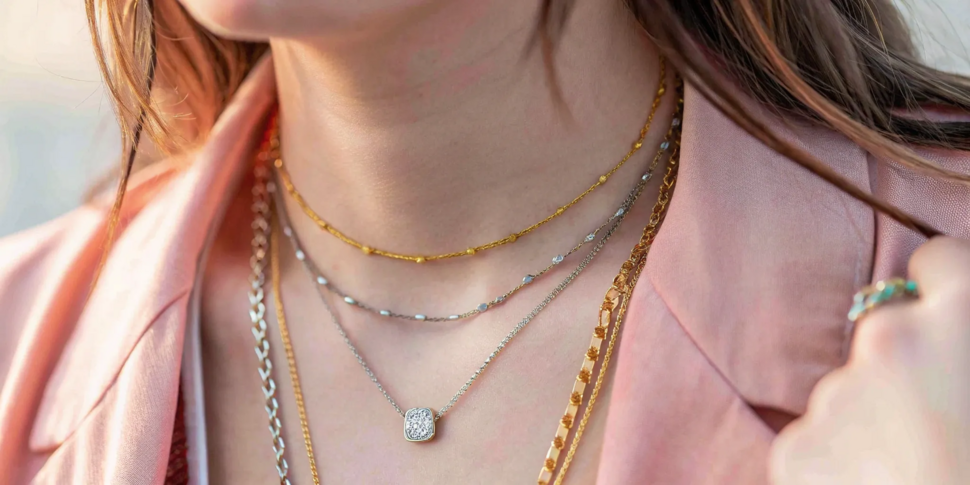
A beautifully layered necklace stack looks effortlessly chic, but achieving that perfect separation often feels like a constant battle. You spend time picking out your favorite pieces, only for them to merge into a tangled clump the moment you walk out the door. If you’ve ever wondered how some people manage to keep their layers so perfectly distinct, the secret isn’t constant adjustment—it’s a thoughtful approach from the very beginning. Mastering how to wear layered necklaces without tangling is about making smart choices in length, weight, and texture. Ahead, we’re sharing our best tips and tricks to help you build a flawless, tangle-free look with your favorite jewelry so you can wear your collection with confidence.
Key Takeaways
- Vary Your Necklaces: The primary cause of tangling is similarity. Prevent knots by intentionally choosing necklaces with different lengths (aim for a 4-inch gap), weights, and chain textures, which helps each piece hang independently.
- Layer with a System: How you put on your jewelry matters. Always layer from shortest to longest to establish a clean base, and consider using a necklace spacer or multi-strand clasp to keep your chains perfectly parallel all day.
- Store Each Piece Separately: Prevent tangles before they start with proper storage. Fasten the clasp on each necklace and hang it or place it in an individual pouch or a compartmented jewelry box to keep chains from mingling.
Why Do Layered Necklaces Tangle?
We’ve all been there: you put on a perfectly curated stack of necklaces, and within an hour, they’ve twisted into a single, knotted mess. It’s one of the most common frustrations when it comes to styling jewelry, but it’s not random. There’s a bit of science behind why your favorite chains seem to have a mind of their own. The main culprits are friction from movement, the specific weight of each piece, and how close in length your necklaces are. Understanding these factors is the first step to keeping your layers looking distinct and beautiful all day long.
The Science of Friction and Movement
At its core, tangling is a simple matter of physics. As you go about your day—walking, turning your head, reaching for your coffee—your necklaces move with you. This constant motion causes the chains to rub against each other and your skin, creating friction. Lighter, more delicate chains are especially susceptible, as they have less weight to hold them down and can easily slide over and under one another. Even the most carefully arranged necklaces can get a little twisted, but when the pieces are different enough in style, they’re usually easy to separate with a quick adjustment.
How Weight and Length Play a Role
The weight of your necklaces makes a huge difference in their ability to stay put. Heavier chains, especially solid gold pieces, have enough heft to resist the minor movements that cause tangling. Their weight creates a natural anchor, keeping them from bouncing around and intertwining with other chains. Lighter, airier chains don't have this advantage and are more likely to get caught up. This is why mixing weights is such a great strategy. Pairing a more substantial chain from one of our designers with a delicate one can help keep everything in its place.
The Problem with Similar Lengths
One of the biggest mistakes that leads to tangles is layering necklaces that are too close in length. When you wear a 16-inch chain with an 18-inch one, for example, there isn’t enough space between them to prevent overlap. They sit in the same general area on your chest, making it incredibly easy for them to twist together as you move. This proximity is a recipe for knots. By choosing necklaces with more significant gaps in length—think four inches or more—you give each piece its own space to shine, drastically reducing the chances of them getting tangled up.
Choose the Right Necklaces for Layering
The secret to a perfect layered look isn't just in how you wear your necklaces—it starts with which ones you choose. Being thoughtful about the pieces you combine can make the difference between a chic, effortless style and a frustrating, tangled mess. By selecting
Follow the 4-Inch Rule
A great rule of thumb for layering is to keep your necklaces at least four inches apart in length. This simple guideline is surprisingly effective. When chains are too close in length, they constantly overlap and twist with every move you make. Creating that four-inch gap gives each necklace its own space to sit, drastically reducing the chances of them intertwining. Start with your shortest piece, maybe a 16-inch chain, and then add a 20-inch one, and so on. This intentional spacing ensures each piece stands out and stays in its lane. Explore different necklaces to find the perfect lengths to start your collection.
Mix Your Weights and Textures
Varying the weight and texture of your necklaces does more than just create a visually interesting look; it’s also a practical way to prevent tangles. Think of a heavier pendant or a thicker chain as an anchor for your other, more delicate pieces. Its weight helps hold everything down and in place. Mixing a smooth snake chain with a beaded one, or a simple cable chain with a more intricate design, creates contrast that keeps them from meshing together. This is where you can really have fun and showcase your personal style by combining unique pieces from different designers.
Pick Tangle-Resistant Materials
While no chain is completely tangle-proof, some styles are definitely less prone to knotting than others. The key is to avoid layering multiple necklaces of the exact same fine, delicate chain style. Instead, choose a variety of chain types. A flat, smooth chain like a herringbone or snake chain is less likely to catch on a classic rope or box chain. By selecting pieces with different structures, you reduce the friction and opportunity for them to grab onto each other. When you’re building your layered look, think about how the chains will physically interact and aim for a diverse mix of styles.
The Right Way to Put On Layered Necklaces
Believe it or not, there’s a method to putting on your necklaces that can dramatically reduce tangles. It’s less about luck and more about a simple, repeatable process. By being mindful of the order you put on and take off your jewelry, you can keep your beautiful layers separate and shining all day long. This small change in your routine makes a huge difference in preventing those frustrating knots from ever forming.
Start with the Shortest Chain
The golden rule of layering is to fasten your necklaces from shortest to longest. Think of it as building your look from the inside out. Starting with your choker or shortest chain sets the foundation, allowing each subsequent necklace to fall neatly into place below it. This ensures you get the proper spacing and that each piece has its moment to shine. When you put them on in the right order, you give each chain its own space, which is the first and most important step in preventing tangles before you even walk out the door.
Why the Removal Order Matters
Just as important as the order you put them on is the order you take them off. The best practice is the "last on, first off" rule. Your jewelry should be the final touch to your outfit and the very first thing you remove when you get home. This simple habit minimizes the chances of your delicate chains catching on your clothing, which is a major cause of tangles and potential damage. By taking off your necklaces before you change, you protect both your jewelry and your clothes from accidental snags and pulls.
Secure Each Clasp Individually
Sometimes, the tangling starts right at the back of your neck where the clasps gather. Before you even think about special tools, make sure each necklace’s clasp is securely fastened to its own chain. For those who wear layered looks often, a multi-layered clasp can be a game-changer. This handy device features several rings on a single bar, allowing you to attach each necklace separately. It keeps the chains parallel and stops them from twisting together throughout the day, giving you a perfectly spaced look that stays put.
Must-Have Tools to Prevent Tangling
Even with the perfect necklace combination, a little movement can cause your layers to twist into a frustrating knot. If you’ve tried mixing weights and lengths but still find your chains tangling, don’t worry. A few clever tools and tricks can solve the problem for good. These accessories are designed specifically to keep your layers separate and looking flawless all day long. Think of them as your secret weapon for achieving that effortless, perfectly spaced look without constant adjustments. From simple clasps to a DIY hack you can try right now, these solutions will help you wear your favorite jewelry with confidence.
Necklace Spacers and Detanglers
A necklace spacer, or detangler, is a small bar with multiple clasps that holds each of your necklaces in place. You attach each chain to a different loop on the spacer, which keeps them from overlapping and twisting around each other. This tool is especially effective when you’re already layering necklaces of different lengths, thicknesses, or materials, as it helps maintain that intentional separation. It’s a simple, elegant fix that takes the guesswork out of layering. Just clip your favorite pieces onto the spacer, and you’re ready to go with a perfectly organized stack that stays put.
Multi-Strand Clasps and Extenders
If you frequently wear the same two or three necklaces together, a multi-strand clasp is a fantastic investment. This handy device combines multiple necklaces into one, so you only have to manage a single clasp at the back of your neck. It features several rings on one side and clasps on the other, allowing you to connect your chains and create a permanent, tangle-free stack. This not only prevents tangling but also makes putting on and taking off your favorite layers much quicker. It’s the perfect solution for creating a signature look you can wear every day without any hassle.
The DIY Clasp-Clip Hack
For a quick fix without any special tools, you can try this simple DIY trick. First, put on your necklaces and turn them around so the clasps are at the front. Unclasp both chains. Now, connect the clasp of the first necklace to the jump ring of the second necklace. Then, do the opposite—connect the clasp of the second necklace to the jump ring of the first. Once they’re linked, gently rotate them back around. This simple connection keeps the chains from moving independently, which is the main cause of tangling. It’s a brilliant hack for keeping your favorite pieces from our designers perfectly layered.
How to Style Different Necklaces (Without the Tangles)
Styling a beautiful layered necklace look is one thing, but keeping it from becoming a tangled mess is another. The secret isn't just in how you put them on, but in the pieces you choose to pair together from the start. By being intentional with your selections, you can create a look that’s both stunning and functional. Here are a few styling strategies that help keep your chains separate and your look perfectly polished all day long.
Pair Pendants with Simple Chains
One of the easiest ways to anchor your layered look is by including a pendant. The extra weight of the charm or gemstone helps pull the chain taut, making it less likely to twist and tangle with your other necklaces. Think of it as the centerpiece of your collection. Start with your favorite pendant and build from there, adding simpler, lighter chains at different lengths. This not only creates a beautiful focal point but also serves a very practical purpose in keeping everything in its place. Many of our designers create stunning pendants that are perfect for starting your layered story.
Mix Statement Pieces with Dainty Layers
Creating contrast is key to a dynamic layered look. Instead of pairing several delicate chains that can easily intertwine, choose one necklace to be the star of the show. This could be a thicker chain, a vibrant beaded piece, or a unique vintage find. Let this statement piece command attention, then complement it with a couple of finer, more understated chains. This approach creates visual separation between the necklaces, which naturally helps prevent them from getting tangled. It’s a simple way to build a look that feels intentional and effortlessly chic, rather than cluttered.
Create Balance with Textures and Focal Points
Think beyond length and consider the texture of your chains. Different styles of chains interact differently; a smooth snake chain will slide past a beaded one more easily than two identical cable chains would. Mixing textures like a rope chain with a box chain or a curb chain with a satellite chain adds visual interest and reduces friction. This variety is what gives a layered look its depth and personality. Explore different necklaces to find unique textures that speak to your style. By combining different weights and surfaces, you create a balanced composition where each piece has its own space to shine.
Common Layering Mistakes to Avoid
Creating a beautiful layered necklace look is an art, but a few common missteps can turn your masterpiece into a tangled mess. The good news is that these mistakes are easy to fix once you know what to look for. It’s usually not about the necklaces themselves, but how you combine and wear them. By avoiding a few simple pitfalls, you can keep your layers separate, stylish, and tangle-free all day long. Let’s walk through the most frequent layering mistakes and how you can sidestep them for a flawless look every time.
Wearing Similar Lengths and Weights
One of the quickest ways to end up with a knot is by layering necklaces that are too close in length and weight. When chains like a 16-inch and an 18-inch sit right next to each other, they have a natural tendency to twist and tangle with every move you make. To prevent this, create more distinction between your pieces. A great rule of thumb is to choose necklaces with at least two inches of difference in length. You should also mix up the chain styles and weights. Pairing a delicate, fine chain with a slightly heavier one creates a natural separation, allowing each piece to hang freely. This contrast not only prevents tangles but also adds beautiful dimension to your jewelry stack.
Choosing the Wrong Clasps
The clasp might seem like a minor detail, but it plays a huge role in keeping your layers organized. While magnetic clasps can seem like a convenient shortcut, they often aren’t secure enough for valuable pieces and can easily come undone, putting your favorite necklaces at risk. Instead, consider using a multi-strand layering clasp. These handy tools have multiple rings to attach each necklace to a single, secure clasp, keeping them perfectly spaced and parallel. This simple swap can be a game-changer for your layering technique. If you're looking for a more permanent solution for your favorite combination, you can always book an appointment with a jeweler to discuss custom options.
Not Detangling Before You Start
This might sound obvious, but it’s a step many of us skip in a rush. Always make sure your necklaces are completely tangle-free before you even think about putting them on. A great habit to get into is laying each chain flat on a soft surface to check for any existing knots or twists. It’s much easier to sort out a small tangle on your dresser than it is around your neck. Also, remember the golden rule of jewelry care: put your necklaces on last when getting dressed and take them off first before undressing. This simple practice helps prevent your delicate chains, especially beautiful vintage pieces, from snagging on your clothes.
Pro Tips for a Tangle-Free Look
Now that you have the right pieces and tools, let's talk about the daily habits and styling tricks that make all the difference. These simple adjustments will help you wear your favorite layers with confidence, keeping them separate and stunning all day long. A little intention goes a long way in making sure your necklaces look as good at 5 p.m. as they did at 9 a.m.
Create Visual Space Between Chains
The secret to preventing tangles is giving each necklace its own space to shine. Think of it like creating a visual cascade. You can achieve this by intentionally choosing jewelry with different attributes. Varying the lengths is the best place to start—try pairing a 16-inch chain with an 18-inch and a 22-inch. But don't stop there. Mixing up chain styles and thicknesses adds another layer of separation. A delicate cable chain is less likely to grab onto a chunkier box chain, keeping your look clean and distinct as you move.
Check and Adjust Throughout the Day
A little mindfulness goes a long way in keeping your necklaces tangle-free. Make it a habit to put your jewelry on last, after your clothes and perfume, and take it off first at the end of the day. This simple routine minimizes snags and exposure to products that can damage your pieces. Throughout the day, take a quick peek in the mirror to see how your layers are sitting. A quick, gentle adjustment can prevent a small twist from turning into a major knot. If you need personalized advice on styling your pieces, you can always book an appointment with us for one-on-one guidance.
Match Your Layers to Your Neckline
Layering isn't just about preventing tangles; it's about creating a cohesive, intentional look. A great way to do this is by matching your necklaces to your outfit's neckline. For a high-neck top or a collared shirt, a couple of shorter chains look fantastic. If you're wearing a V-neck or scoop neck, you have the perfect canvas for longer chains and Y-style necklaces. I also love choosing one "star" piece to be the focal point. Maybe it's a stunning pendant from one of your favorite designers. Let that piece stand out, and use simpler chains to support it.
How to Safely Untangle a Knotted Mess
It’s a moment every jewelry lover dreads: reaching for your favorite necklaces only to find them in a tangled, knotted ball. It can feel like an impossible puzzle, but don’t panic. With a bit of patience and the right technique, you can rescue your beloved pieces. Think of it as a little spa day for your jewelry. We’ll walk through exactly how to work out those stubborn knots and, even better, how to stop them from happening again. Your beautiful jewelry collection deserves to be worn, not stuck in a drawer.
A Step-by-Step Guide to Detangling
When you’re faced with a tangled mess, your first instinct might be to pull, but that will only make the knot tighter. Instead, take a deep breath and follow these simple steps. First, lay your necklaces on a flat, hard surface so you can see what you’re working with. Unclasp every piece to release any tension in the chains. Next, grab a tool with a fine point—a sewing pin or the tip of a pair of tweezers works perfectly. Gently poke and wiggle the very center of the knot to create a little space. Once it starts to loosen, you can use your tool to carefully guide the individual chains out of the tangle. This method works on everything from sturdy chains to the most delicate vintage pieces.
How to Prevent Knots in the First Place
Of course, the best way to deal with tangled necklaces is to avoid them altogether. A few smart habits can keep your jewelry organized and ready to wear. When you’re not wearing them, store your necklaces separately. A jewelry stand with hooks or a box with individual compartments can prevent them from mingling. For travel, you can thread a chain through a plastic straw to keep it straight. It’s also helpful to make sure your favorite necklaces are tangle-free before you put them on. A quick check can save you a headache later, especially when you're layering multiple pieces from your favorite designers.
Keep Your Necklaces in Perfect Condition
A tangle-free necklace stack is great, but keeping your jewelry in pristine condition for years to come is the real goal. The way you care for your pieces when you're not wearing them is just as important as how you style them. A few simple habits can protect your investment and ensure your favorite necklaces always look as stunning as the day you got them. It’s all about giving your jewelry the attention it deserves, from proper storage to mindful daily wear, so your collection continues to bring you joy.
Store Your Jewelry the Right Way
The best way to prevent tangles before they even start is with smart storage. Tossing your necklaces onto a dresser is a recipe for a knotted mess and potential damage. Instead, give each piece its own space by storing it in an individual soft pouch or a jewelry box with separate compartments. Always fasten the clasp and lay the chain flat to prevent it from twisting around itself. This simple practice not only keeps things organized but also protects delicate links, prevents gemstones from getting scratched, and preserves the metal’s finish, keeping your entire collection of fine jewelry safe and ready to wear.
Simple Tips for Daily Care
A little mindfulness in your daily routine goes a long way in preserving your necklaces. A great rule of thumb is to make your jewelry the last thing you put on and the first thing you take off. This helps you avoid snagging chains on clothing or exposing them to hairspray and perfume. You should also remove your necklaces before sleeping, showering, swimming, or exercising. Exposure to moisture, chemicals like chlorine, and sweat can tarnish metals and damage delicate gemstones over time, which is especially important for protecting unique vintage pieces. Finally, be wary of magnetic clasps—while convenient, they aren't always secure enough for valuable necklaces you can't bear to lose.
Related Articles
Frequently Asked Questions
If I only remember one thing, what's the most important tip for preventing tangles? The most effective strategy is to create space between your necklaces. A great rule of thumb is to choose chains that are at least four inches different in length. For example, pair a 16-inch necklace with a 20-inch one. This simple gap gives each piece its own territory to lie in, which dramatically reduces the chances of them twisting together as you move.
Do I really need to buy a special tool like a necklace spacer? While tools like spacers and multi-strand clasps are incredibly helpful, they aren't absolutely necessary. You can achieve a beautiful, tangle-free look by focusing on your necklace choices first. If you mix different weights and textures and stick to the four-inch rule for length, you'll solve most of the problem. Think of a spacer as a great accessory for when you wear layered looks often or want that extra bit of assurance that everything will stay perfectly in place.
Can I layer necklaces that are the same style, like two delicate gold chains? You can, but it's one of the fastest ways to end up with a tangled knot. When two chains have the same weight and texture, they create more friction and are much more likely to grab onto each other. For a more successful look, try creating contrast. Pair one of your delicate chains with a piece that has a different texture, like a beaded necklace, or a slightly heavier chain with a pendant to act as an anchor.
What's the best way to store my necklaces so they don't get tangled in my jewelry box? Proper storage is your best defense against tangles. The key is to keep your necklaces from touching each other. You can hang them on a jewelry stand, use a jewelry box with individual compartments, or store each one in its own soft pouch. When you put a necklace away, always fasten the clasp first to prevent the chain from knotting on itself.
My necklaces still get a little twisted during the day. Is that normal? Yes, a little bit of twisting is completely normal. As you go about your day, movement will naturally cause your necklaces to shift. The goal of these tips isn't to make your necklaces completely immobile, but to prevent them from forming tight, frustrating knots. A quick, gentle adjustment in the mirror a couple of times a day is usually all it takes to keep your layers looking distinct and beautiful.
Recent articles
View all
Brooke's Holiday Favorites - 2025

Holly's Holiday Favorites - 2025