

How to Ship Jewelry Safely: A Jeweler's Guide
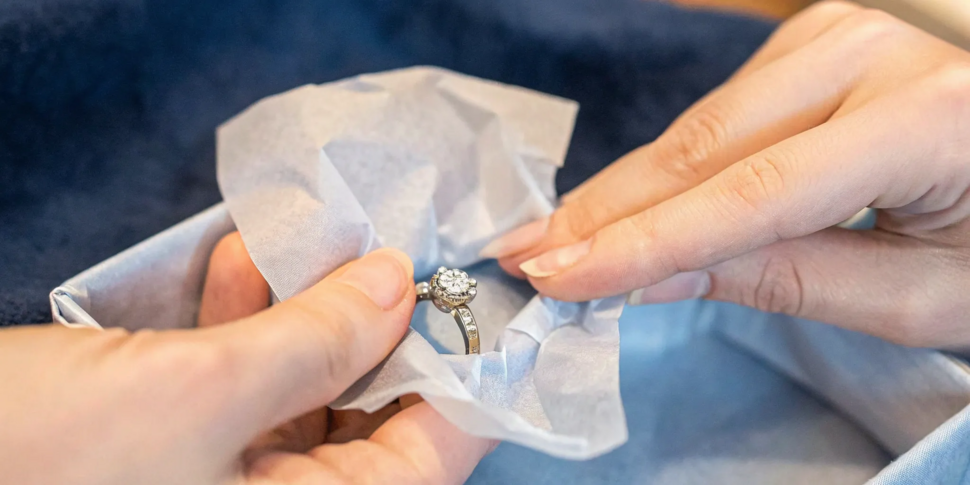
When it comes to shipping jewelry, what you don’t know can definitely hurt you. Many well-intentioned people make common mistakes that put their valuable pieces at risk, like using a branded box that advertises its contents or assuming the carrier’s basic insurance offers enough coverage. These simple oversights can lead to devastating losses. The key to avoiding these costly errors is preparation and knowledge. Learning how to ship jewelry safely is just as much about knowing what not to do as it is about knowing the right steps to take. This guide is designed to steer you clear of the common pitfalls. We’ll highlight the mistakes to avoid and provide the correct, secure alternatives for everything from packaging to documentation.
Key Takeaways
- Pack for Protection and Discretion: Use the "box-in-a-box" method with ample cushioning to prevent damage, and always ship in a plain outer box with no branding to avoid attracting unwanted attention.
- Secure Your Investment with Proper Insurance: Standard carrier insurance is rarely sufficient for fine jewelry. Protect your piece by using a third-party insurer and declaring its full, accurate value.
- Document Everything and Require a Signature: Before you seal the box, take clear photos of your item and keep detailed shipping records. Always use a service that provides tracking and requires a signature upon delivery to ensure a secure handoff.
Gather Your Supplies: Essential Jewelry Packaging Materials
Before you even think about sealing the box, getting your materials in order is the most important step you can take. The right packaging is your first and best defense against damage, loss, or theft. Think of it as creating a secure little fortress for your precious cargo. Investing a little time and effort here will give you peace of mind, knowing you’ve done everything possible to ensure your beautiful piece arrives safely and in perfect condition. Let’s walk through the essential supplies you’ll need to pack your jewelry like a pro.
Protective Wraps
Your first line of defense is a soft, protective layer directly against the jewelry. Start by wrapping each piece individually in acid-free tissue paper. This prevents tarnishing and protects delicate surfaces from scuffs and scratches. For items that are particularly fragile, like some of our unique vintage and estate pieces, you can add a layer of bubble wrap over the tissue paper for extra cushioning. This simple step is crucial for preventing tangled chains and keeping gemstones secure. Don’t be tempted to toss an unwrapped piece into a box—that’s a recipe for a tangled, scratched-up mess upon arrival.
Sturdy Shipping Boxes
This is where the “box-in-a-box” method comes in, and it’s a non-negotiable for shipping valuable jewelry. After wrapping your piece, place it in a small jewelry box or padded envelope. Then, place that smaller box inside a larger, sturdier shipping box. This double-box system provides incredible shock absorption. Just as important, make sure the outer box is completely plain. Avoid any branding or words like “jewelry” or “fragile” that could signal the valuable contents to potential thieves. Discretion is your best friend when it comes to secure shipping.
Cushioning and Padding
Once your small jewelry box is inside the larger shipping box, you need to make sure it can’t move around. Any empty space allows the inner box to slide and bump around during transit, which can damage the contents. Fill all the voids with cushioning material like bubble wrap, packing peanuts, or foam. The goal is to pack it tightly enough that nothing shifts when you give the box a gentle shake. Once everything is snug and secure, use strong packing tape to seal all the seams on the outer box. This ensures your package stays closed and protected on its journey.
How to Pack Different Types of Jewelry
Not all jewelry is created equal, and the same goes for packing it. A delicate chain has very different needs than a chunky cuff bracelet. Taking a few extra moments to pack each piece according to its type is the best way to make sure everything arrives looking just as beautiful as when it left. Different shapes and materials require specific attention to prevent tangles, scratches, or breakage. By tailoring your packing method to the item, you’re not just shipping jewelry; you’re preserving a piece of art. Let’s walk through the best practices for packing the most common types of jewelry so you can ship with confidence.
Pack Necklaces and Chains to Prevent Tangles
There’s nothing more frustrating than opening a box to find a tangled mess of chains. To prevent this, your goal is to keep the necklace from moving around and knotting itself. A simple trick is to thread the chain through a drinking straw and clasp it. For shorter or more delicate necklaces, you can wrap them around a small piece of cardboard and tape the ends down. If you’re shipping multiple pieces, it’s crucial to wrap each item individually in tissue or a small pouch to prevent them from tangling with each other during transit. This small step saves a huge headache later.
Secure Rings and Small Pieces
Rings, charms, and other small treasures can easily get lost in a larger box or scratch other items if they’re left loose. The key is to contain them securely. You can use small, clear plastic bags or wrap each piece individually in soft tissue paper. This simple step stops small parts from getting lost and makes unpacking much easier for the recipient. For valuable pieces like engagement rings or our unique vintage finds, placing them inside a proper ring box before adding them to the main shipping box provides the best protection and a beautiful presentation.
Wrap Bracelets and Watches
Bracelets and watches, especially those with metal links or delicate details, are prone to scratches. Your best defense is a soft, protective layer. To prevent scratches and damage, wrap bracelets and watches carefully in bubble wrap or a soft cloth, like microfiber. Make sure the clasp is secure, and wrap it snugly so it can’t shift around. For chunkier cuffs or bangles, a good wrap followed by placement in a form-fitting box is ideal. This extra cushioning ensures your favorite bracelets arrive in perfect, ready-to-wear condition.
Protect Earrings in Transit
Earrings present a unique challenge: you have to protect delicate posts from bending and, most importantly, keep the pair together. One of the easiest methods is to poke them through a small piece of cardstock or foam and secure the backs. This keeps them stable and separated. For dangly or hoop earrings, wrapping them as a pair in tissue paper inside a small pouch works well. For extra security, especially with fine jewelry, using a small jewelry box or padded envelope is always a smart choice. It keeps them safe from being crushed or lost.
What Are the Best Ways to Ship Valuable Jewelry?
Once your jewelry is securely packed, the next big decision is choosing a shipping carrier. This isn’t just about speed or cost; it’s about finding a service that provides the security and accountability your valuable piece deserves. The three main carriers—USPS, FedEx, and UPS—each offer services tailored for high-value items, but they aren’t all created equal. Your choice will depend on the item's value, your destination, and the level of security you need.
Think of it less as picking a mail service and more as selecting a temporary guardian for your jewelry. For a one-of-a-kind vintage piece, maximum security is non-negotiable. For a less valuable but still sentimental item, you might prioritize speed and detailed tracking. Understanding the specific strengths of each carrier’s high-value shipping options will help you make an informed decision and give you peace of mind from the moment it leaves your hands to the moment it arrives safely. Let’s look at the best options available.
Why to Use USPS Registered Mail
When it comes to security, USPS Registered Mail is widely considered the gold standard for shipping high-value jewelry within the United States. This service is designed for maximum protection, operating under a strict chain-of-custody system. From the moment you drop it off, your package is kept under lock and key, and its journey is documented with signatures at every point of transfer. This meticulous process makes it the most secure shipping method offered by USPS. While it may be slower than other options, the unparalleled security and insurance coverage (up to $50,000) make it the top choice for irreplaceable or extremely valuable items.
When to Choose FedEx or UPS
If speed is a priority alongside security, FedEx and UPS are excellent alternatives. Both carriers have a strong reputation for reliability and offer specialized services for shipping valuable goods. While there are several secure options for shipping valuable items, two of the safest ways to mail jewelry are FedEx and USPS. Both FedEx and UPS provide robust, real-time tracking systems that allow you to monitor your package’s journey closely. They also offer declared value coverage and options for requiring a direct signature upon delivery. These services are often preferred for their speed and detailed tracking visibility, making them a great choice for valuable but less irreplaceable pieces.
Match the Carrier to Your Jewelry's Value
It’s crucial to align your shipping choice with your jewelry’s actual value, as standard insurance is rarely sufficient. Most carriers’ basic coverage has very low limits and may not even cover fine jewelry at all. You must declare the full value and purchase the appropriate level of insurance. Be aware that carriers have specific rules. For instance, UPS requires a special contract to ship jewelry containing precious metals or stones. Always read the fine print and confirm that your chosen service and insurance level fully cover the type and value of the jewelry you’re sending. Never assume—always verify the policy before you ship.
How to Insure Jewelry for Shipping
Shipping a beautiful piece of jewelry can be nerve-wracking. Whether it’s a gift for a loved one or a treasured piece for your own collection, the last thing you want is for it to get lost or damaged in transit. This is where shipping insurance comes in—it’s your financial safety net, offering peace of mind that you’re protected against the unexpected. But getting the right coverage isn’t as simple as checking a box at the post office.
Many standard shipping options fall short when it comes to high-value items like fine jewelry. It’s a common mistake to assume that the insurance offered by your shipping carrier is sufficient, but these policies often contain fine print and coverage limits that leave you vulnerable. Understanding the nuances of insuring your pieces is just as important as packing them correctly. To make sure your precious cargo is fully protected from the moment it leaves your hands, you need to know the limits of standard insurance, where to find better options, and how to properly value your item. Let’s walk through how to get it right.
Know the Limits of Carrier Insurance
Most business owners assume their shipping company provides adequate coverage, but standard shipping insurance options rarely cover jewelry properly, and the claims process can be a nightmare. Carriers like USPS, FedEx, and UPS often have surprisingly low limits on the declared value for jewelry, sometimes capping it at just $500 or $1,000. This is a major issue when you’re shipping a valuable piece, like a custom engagement ring or a family heirloom. If the item's value exceeds the carrier's limit, you won't be fully compensated if it's lost or stolen. Always read the fine print to understand exactly what is—and isn't—covered before you commit.
Find a Third-Party Insurance Provider
For high-value jewelry, your best bet is to use a third-party insurance provider. These companies specialize in insuring valuable items and offer much more comprehensive coverage than standard carriers. They understand the specific risks associated with shipping jewelry and provide policies tailored to your needs. Companies like Jewelers Mutual and Parcel Pro are excellent options that work directly with jewelers and individuals. Many shipping platforms also partner with these insurers to make the process seamless, giving you more choices for valuable items. These providers typically offer higher coverage limits and a much smoother claims process, saving you a massive headache if something goes wrong.
Declare the Accurate Jewelry Value
This might seem obvious, but it’s a critical step that some people get wrong. When you buy insurance, always state the true value of the jewelry. It can be tempting to declare a lower value to save a few dollars on the insurance premium, but this can be a costly mistake. If you declare a lower value, you'll only get that lower amount back if the item is lost or damaged. To be safe, keep all your documentation, such as the original receipt or a recent appraisal. This paperwork will be essential for proving the item's worth if you need to file a claim, especially for unique designer pieces that don't have a simple replacement cost.
Keep Your Shipment Secure and Prevent Theft
Once your jewelry is perfectly packed and insured, the final step is to make sure it gets to its destination without attracting the wrong kind of attention. Security isn't just about what’s inside the box; it’s about making the outside of the box as inconspicuous as possible. A few simple precautions can make all the difference in preventing loss or theft during transit. Think of it as giving your precious cargo a disguise for its journey. By following these security measures, you can have peace of mind knowing you’ve done everything possible to protect your shipment until it’s safely in the recipient’s hands.
Use Discreet Packaging and Labeling
The number one rule for shipping valuable jewelry is to be discreet. Your package should be as plain and boring as possible. Use a sturdy, new box or padded envelope with no branding or logos on it. Never write words like “jewelry,” “diamonds,” “fine art,” or anything else that hints at the valuable contents inside. This is an open invitation for theft. Keep the shipping label clear and simple with only the necessary address information. The goal is to have your package blend in with the millions of other parcels being shipped every day, making it completely uninteresting to anyone who might be looking for a target.
Track Your Package from Start to Finish
Never send a valuable item without a tracking number. This is your lifeline to the package while it’s in transit. As soon as you ship the item, you’ll receive a receipt with a tracking number that allows you to follow its journey online. You can see when it’s picked up, where it is at each sorting facility, and when it’s out for delivery. Keeping a close eye on the tracking helps you spot any unusual delays or issues right away. Reputable jewelers and shippers always provide tracking information so both the sender and receiver can monitor the shipment’s progress and prepare for its arrival.
Require a Signature on Delivery
Leaving a package containing a priceless heirloom or a new engagement ring on a doorstep is a risk you don’t want to take. Always opt for a “Signature Required” service. This ensures that the carrier must hand the package directly to a person at the delivery address and get their signature as proof of receipt. It prevents the package from being left unattended where it could be stolen or exposed to bad weather. While it might seem like a small extra step, requiring a signature is one of the most effective ways to confirm your jewelry made it safely into the right hands. For any high-value items, it’s a service we always recommend, and you can book an appointment with us to discuss secure shipping options.
Document Everything Before You Ship
Before your jewelry even touches a shipping box, taking a few moments to document everything is one of the most important steps you can take. Think of it as creating a safety net. While we all hope for a smooth journey from point A to point B, having a detailed record protects you and your precious cargo if something goes wrong. This isn't about being pessimistic; it's about being prepared and ensuring you have everything you need for total peace of mind. Proper documentation is your best friend in the unlikely event of a loss or damage claim.
Create Detailed Shipping Records
Your first step is to create a comprehensive record for your shipment. This goes beyond just holding onto the receipt. Your record should include a detailed description of the jewelry (materials, designer, weight, and any identifying marks), its appraised value, the shipping date, the carrier's information, and the tracking number. Many people assume their shipping company provides enough coverage, but standard insurance often falls short for fine jewelry. Creating your own detailed records gives you the solid proof you need to file a claim and demonstrate the value of what you sent, whether it's a modern piece or a treasured vintage find.
Photograph Your Jewelry Before Packing
A picture is truly worth a thousand words, especially when it comes to shipping jewelry. Before you start wrapping, make sure your piece is clean and then take clear, well-lit photographs from several different angles. Capture close-ups of any signatures, gemstones, and unique details. These images serve as undeniable proof of the item's condition right before it was packed. If your package arrives damaged, these photos will be crucial evidence to show that the piece was in perfect shape when it left your hands. It’s a simple, quick step that can save you a major headache later.
Maintain a Chain of Custody
For high-value or irreplaceable items, you need to maintain a clear chain of custody. This is essentially an unbroken, documented trail of your package's journey. It ensures that the package is accounted for and signed for at every step, from the moment you drop it off until it's in the recipient's hands. For domestic shipments, USPS Registered Mail is considered the gold standard for this level of security, offering the most comprehensive tracking available. This service provides a locked-down, secure transit system that is essential when shipping something as important as a piece from a bridal collection.
Common (and Costly) Shipping Mistakes to Avoid
When you’re shipping a piece of fine jewelry, there’s very little room for error. A simple oversight can lead to a lost heirloom or a damaged engagement ring, turning a client’s exciting moment into a stressful ordeal. Getting the shipping process right is just as important as crafting the perfect piece. By steering clear of a few common missteps, you can protect your work, your business, and your client’s investment.
Inadequate or Flimsy Packaging
Using a flimsy mailer or a weak box is one of the quickest ways to risk damage. Your package will be sorted by machines, stacked under other boxes, and handled by many people before it reaches its destination. Your packaging needs to be tough enough to withstand the journey. Always use a sturdy, new corrugated box for the exterior and a smaller, secure jewelry box inside. This box-in-box method provides critical shock absorption. Remember, if a piece is damaged due to poor packaging, your insurance claim could be denied, making this a truly costly mistake.
Overlooking Insurance and Proper Labeling
Never assume the standard insurance offered by a shipping carrier is sufficient for fine jewelry. Most basic plans have very low coverage limits and may not cover high-value items at all. Failing to purchase adequate, third-party insurance is a gamble you don’t want to take. Similarly, improper labeling can cause major headaches. While you need a clear and accurate shipping label, you should never write words like “jewelry,” “diamonds,” or your business name if it indicates value. This is an open invitation for theft. The best approach is to use a discreet return address and name.
Using Packaging That Attracts Thieves
While you want to create a beautiful unboxing experience for your customer, the outside of your package should be as boring as possible. A plain brown or white box is your best friend. Any fancy branding, logos, or colorful tape on the exterior can signal that something valuable is inside. Place your beautifully branded gift box inside this nondescript outer box. This ensures your client gets that special moment when they open it, without tipping off anyone along the shipping route. For international shipments, you can add labels like “Fragile” or “Handle With Care” to encourage careful handling without revealing the contents.
Related Articles
- How to Care for Pearl Jewelry: The Ultimate Guide
- How to Sell Estate Jewelry: A Step-by-Step Guide
- Contemporary Fine Jewelry: A Complete Guide
Frequently Asked Questions
Is the "box-in-a-box" method really necessary for shipping jewelry? Yes, absolutely. Think of it as the professional standard for a reason. The outer box takes the brunt of the bumps and drops during transit, while the inner box provides a secure, cushioned space for the jewelry itself. This method is your best defense against damage and is a non-negotiable step for ensuring your piece arrives in perfect condition.
Why shouldn't I write "Fragile" or "Handle with Care" on the package? While it seems like a good idea, any special markings on a package can signal that something valuable is inside. The goal is for your shipment to be as discreet and boring as possible. A plain box that blends in with all the others is far less likely to attract unwanted attention from thieves than one that announces it contains something special.
My shipping carrier offers insurance. Isn't that good enough? Unfortunately, it's usually not. The standard insurance offered by carriers often has very low coverage limits, sometimes capping out at $1,000, and frequently includes fine print that excludes fine jewelry altogether. For anything of significant value, you'll want to use a third-party insurer that specializes in jewelry. They provide much higher coverage limits and a claims process that is built to handle valuables.
What's the best way to prove my jewelry's value if I need to file an insurance claim? Documentation is everything. The best proof is a recent appraisal or the original sales receipt for the item. This is why we also strongly recommend taking clear, detailed photographs of your piece from multiple angles right before you pack it. This combination of paperwork and photos creates a solid record of the item's value and its pre-shipment condition.
Between USPS, FedEx, and UPS, is there one "best" option for all jewelry? There isn't a single "best" carrier for every situation; it depends on your priorities. For extremely valuable or irreplaceable pieces where security is the top concern, USPS Registered Mail is the gold standard due to its strict chain-of-custody process. If you need a balance of speed and reliable tracking, FedEx and UPS are excellent choices that offer services specifically for high-value goods.
Recent articles
View all
Brooke's Holiday Favorites - 2025

Holly's Holiday Favorites - 2025