

How to Clean White Gold Jewelry Safely at Home
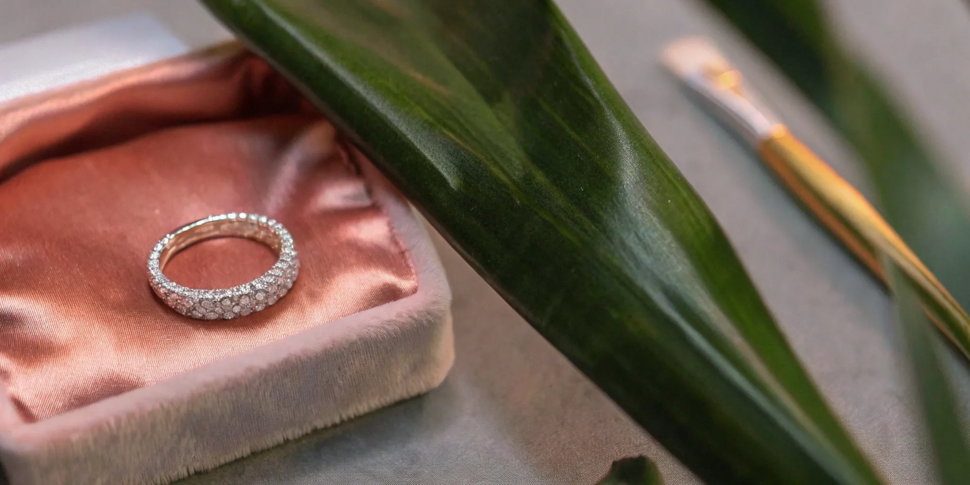
When it comes to cleaning jewelry, not all advice is good advice. The internet is full of DIY hacks that can do more harm than good, especially for a piece as specific as white gold. Using abrasive materials or the wrong chemical solution can easily scratch the surface and strip away the precious rhodium plating that gives your jewelry its signature bright white shine. Before you reach for that household cleaner or old toothbrush, let’s set the record straight. We’ll show you the safest, most effective method for how to clean white gold jewelry and debunk the common myths that could damage your favorite pieces.
Key Takeaways
- White gold needs special care because of its plating: That bright, mirror-like shine on your jewelry comes from a thin layer of rhodium. Because this coating can wear away with daily life, it requires a gentler approach than other metals.
- Gentle cleaning is your best friend: For at-home care, a simple soak in warm, soapy water is all you need to restore sparkle. Always skip harsh chemicals, abrasive materials, and aggressive scrubbing to keep the rhodium plating intact.
- A yellow tint is your cue for professional help: If you notice your white gold looking dull or slightly yellow, it's a normal sign that the rhodium plating is wearing thin. This can't be scrubbed away at home and means it's time to visit a jeweler for a re-plating to bring back its original bright white finish.
What Is White Gold (And Why Does It Need Special Care)?
So, you have a beautiful piece of white gold jewelry, and you want to keep it looking as stunning as the day you got it. But what exactly is white gold? It’s not a metal found in nature; it’s a beautiful blend created by jewelers. White gold is an alloy, meaning pure yellow gold is mixed with other white metals, like palladium, manganese, or nickel, to achieve its silvery-white hue. Because pure gold is so soft, these other metals also add strength and durability, making it a fantastic choice for pieces you wear every day, like a favorite necklace or your engagement ring.
However, this alloy naturally has a faint, warm yellowish tint. To get that brilliant, cool-toned, mirror-like shine we all love, jewelers add a special final touch: a thin coating of a precious metal called rhodium. This rhodium plating acts like a protective shield, guarding your jewelry against scratches and tarnish while giving it that signature bright white finish. Think of it as a gorgeous, hard-working top coat. Over time, this plating can wear away with daily life, which is why white gold needs a little extra attention compared to other metals. Understanding this simple fact is the key to keeping your favorite pieces looking their absolute best.
White Gold vs. Yellow Gold and Silver
When it comes to maintenance, not all metals are created equal. Classic yellow gold is fairly low-maintenance; a regular professional polish is usually enough to keep it gleaming. Silver, on the other hand, is much softer and more prone to tarnishing and scratching. White gold sits somewhere in the middle. It’s more durable and scratch-resistant than silver, but its rhodium plating requires specific care. While you can do a simple monthly cleaning at home with just some warm water and mild soap, you’ll want to avoid the vigorous polishing you might give a yellow gold or sterling silver piece from a vintage collection. Gentle care is the name of the game here.
Understanding Its Secret Ingredient: Rhodium Plating
Let’s talk more about that secret ingredient: rhodium. Rhodium is one of the rarest and most valuable precious metals in the world, even more so than platinum. It’s part of the platinum family, and it’s prized for being incredibly reflective and resistant to corrosion. When plated onto your white gold jewelry, it provides that crisp, white shine and a durable protective layer. However, this layer is very thin. Everyday wear—things like friction from your clothes, lotions, and even your skin’s natural oils—can cause it to slowly wear down. This is completely normal! It just means that to maintain that "brand new" luster, the rhodium plating should be reapplied every few years. We can help you determine when it's time to book an appointment for a re-plating.
Gather Your Supplies to Clean White Gold at Home
You don’t need a professional-grade kit to get your white gold looking its best. In fact, you probably have everything you need right in your kitchen. Taking a few minutes to gather these simple items will make the whole process smooth and easy.
The Must-Have Cleaning Tools
Before you get started, grab a small bowl and fill it with warm water and a few drops of mild dish soap. It’s important to choose a soap that’s free of harsh chemicals, dyes, and especially chlorine, as these can damage the rhodium plating over time. You’ll also want a soft-bristled toothbrush—an old, clean one or even a baby toothbrush works perfectly. This will help you gently clean around settings and in tiny crevices without scratching the metal. Finally, have a soft, lint-free cloth ready for drying and buffing your favorite jewelry to a perfect shine.
Optional Tools for an Extra Sparkle
If your jewelry has some stubborn buildup or you want to give it an extra boost of brilliance, a couple of other household items can help. You can create a simple paste with baking soda and a small amount of water. Apply it with your soft toothbrush and scrub very gently, as baking soda is a mild abrasive and you don't want to scratch the surface. For a final touch, a dedicated jewelry polishing cloth is a fantastic tool to have on hand. It’s designed to bring out the luster in precious metals without being too harsh, making it a safe way to enhance the shine on your most treasured vintage pieces.
How to Clean Your White Gold Jewelry: A Step-by-Step Guide
Ready to bring back that brilliant, just-like-new shine to your favorite white gold pieces? This simple, at-home cleaning method is safe for most jewelry, from your everyday rings to special-occasion necklaces. It only takes a few minutes of active work and some common household items to get your jewelry sparkling again. Let’s walk through it together.
Mix Your Gentle Cleaning Solution
First things first, you’ll need to create a simple cleaning bath for your jewelry. Grab a small bowl and fill it with warm water. Add a few drops of a mild dish soap—the key here is to choose one that is free of chlorine, phosphates, or other harsh chemicals that could damage the rhodium plating. Stir it gently to create a sudsy solution. You don't need anything fancy or abrasive; a simple, gentle soap mix is the perfect way to dissolve grime without being too aggressive on the metal's surface.
Give Your Jewelry a Quick Soak
Now, place your white gold jewelry directly into the soapy water you just prepared. Let it soak for about 20 to 30 minutes. This step does the hard work for you, patiently loosening the buildup of everyday oils, lotions, and dirt that can make your jewelry look dull. Think of it as a mini spa treatment for your favorite pieces. This gentle soak ensures that when it's time to scrub, the grime will lift away easily without you having to apply much pressure.
Gently Scrub Away Grime
Once your jewelry has finished soaking, take it out of the water. Using a very soft-bristled toothbrush (a baby toothbrush works perfectly for this), gently scrub the piece. Pay special attention to the little nooks and crannies, especially if you're cleaning an intricate engagement ring or a piece with detailed metalwork where dirt loves to hide. The goal is to dislodge any remaining grime, not to polish the metal, so a light and gentle touch is all you need.
Rinse and Dry with Care
After scrubbing, rinse your jewelry thoroughly under warm running water. Make sure you wash away all the soap residue, as leftover soap can leave a film. To prevent your precious piece from slipping down the drain, it's a good idea to place a colander or a mesh strainer in the sink first. Finally, gently pat your jewelry dry with a soft, lint-free cloth. Avoid using paper towels or rough fabrics, as they can leave tiny scratches on the surface. Once dry, you can admire the restored sparkle of your beautiful jewelry.
Common Mistakes to Avoid When Cleaning White Gold
When it comes to caring for your beautiful white gold pieces, knowing what not to do is just as crucial as following the right steps. A simple mistake can accidentally damage the finish or even the stones you love so much. Let's walk through a few common pitfalls so you can keep your jewelry looking its best without any mishaps.
Steer Clear of Harsh Chemicals
It might be tempting to reach for a powerful household cleaner for a quick shine, but please resist the urge. Harsh chemicals are the number one enemy of white gold. Substances like chlorine (yes, that includes swimming pools and hot tubs) and bleach can permanently damage the metal alloy and the rhodium plating. They can also be incredibly harmful to the delicate gemstones set in your favorite rings and necklaces. Always take your jewelry off before cleaning with harsh chemicals or swimming to keep it safe from these corrosive substances.
Say No to Abrasives and Over-Polishing
Remember that gorgeous, bright-white shine on your jewelry? That’s a thin layer of rhodium plating. It’s what gives white gold its signature look, but it’s also delicate. Using anything abrasive—like a toothbrush (even a soft one!), a rough cloth, or a scouring pad—can easily scratch and wear away that plating. Stick to ultra-soft materials like a microfiber cloth or a cotton ball. It’s also possible to be too enthusiastic with polishing. Overdoing it can strip the rhodium layer, revealing the slightly yellowish gold alloy underneath. A gentle touch is always best.
Popular Cleaning Myths to Ignore
The internet is full of DIY cleaning hacks, but many of them are not safe for fine jewelry. Two common myths you should definitely ignore are using vinegar or baking soda. While vinegar is a great natural cleaner for some household chores, its acidity can damage the surface of your ring over time. And baking soda, though often recommended, is an abrasive. If not used with extreme care, it can easily scratch the rhodium plating on your precious bridal jewelry. When in doubt, it's always better to stick to simple soap and water or book a professional cleaning with us.
How Often Should You Clean White Gold Jewelry?
How often should you clean your white gold? The simple answer is: it depends on how you wear it. For pieces that are part of your daily life, like an engagement ring or go-to necklace, a gentle cleaning about once a month is the perfect rhythm to maintain their brilliance. This regular care is important because everyday substances like hand lotion, soap, natural skin oils, and even dust can create a film on the surface of your jewelry. Over time, this buildup obscures the metal's bright, cool finish and can make any diamonds or gemstones look cloudy and dull.
Think of it as a quick refresh. A consistent, gentle cleaning routine prevents this grime from hardening and becoming difficult to remove. It’s a proactive step that keeps your pieces looking like new and reduces the need for more intensive professional cleanings. While a monthly schedule is a great starting point, you should also let your jewelry tell you when it needs attention. If you notice it’s lost its sparkle or looks a bit lackluster before the month is up, don’t hesitate to give it a quick wash. The goal is to create a simple habit that works for you and keeps your treasured pieces in beautiful condition.
Your Simple At-Home Cleaning Routine
Think of this as a mini spa day for your jewelry. A simple monthly cleaning at home is incredibly effective. Start by filling a small bowl with warm water and adding a few drops of mild dish soap—nothing with harsh detergents or moisturizers. Let your jewelry soak for 20 to 30 minutes to loosen any buildup. This gentle bath is often all it takes to restore the shine to your favorite rings and bracelets. For any stubborn spots, you can use a new, baby-soft toothbrush to gently scrub around settings and crevices before rinsing thoroughly under cool water and patting dry with a soft, lint-free cloth.
Signs Your Jewelry Needs a Cleaning ASAP
Sometimes, your jewelry will give you clear signals that it needs a cleaning sooner rather than later. One of the most obvious signs for white gold is a visible change in color. If your ring starts to look dull or develops a faint yellowish tint, it’s a strong indicator that the rhodium plating is wearing off. While a professional re-plating is the long-term solution, a good cleaning can improve its appearance. Also, look for visible dirt or stickiness, especially in the intricate details of pieces from our unique designers. These are clear cues that it’s time for a thorough at-home wash or a visit to a professional.
When Is It Time for a Professional Cleaning?
Your at-home cleaning routine is perfect for keeping your white gold jewelry looking its best day-to-day. But sometimes, your pieces need a little extra attention that only a professional can provide. Think of it as a spa day for your favorite ring or necklace. A professional cleaning goes beyond surface-level shine to restore, inspect, and protect your jewelry for the long haul. While a gentle scrub at home removes everyday oils and lotions, a jeweler has the tools and expertise to perform a much deeper, restorative treatment that brings back that brand-new sparkle.
It's helpful to see at-home and professional cleanings as two parts of a complete care strategy. Your weekly or monthly cleanings at home manage the surface grime and keep your pieces looking bright. A professional visit, maybe once a year, is for deep maintenance. Jewelers can also spot potential issues you might miss, like a worn-out prong or a loose clasp, before it turns into a real problem. If you’re unsure whether your piece just needs a good scrub or a trip to the jeweler, there are a few key signs to look for. When you spot them, it's time to book an appointment and let an expert take over.
If It’s Starting to Look Yellow
Have you noticed a faint yellowish tint on your white gold ring, especially around the edges or prongs? This isn't dirt, and unfortunately, you can't scrub it away. White gold gets its bright, silvery-white finish from a thin layer of rhodium plating. Over time, daily wear causes this plating to gradually wear away, revealing the natural, slightly yellowish color of the gold alloy underneath. This is completely normal! It simply means your jewelry is well-loved. When you see that yellow starting to peek through, it’s a clear sign that the piece needs to be professionally re-plated with rhodium to restore its original crisp, white luster.
For Intricate Designs or Loose Gems
Some jewelry is just too complex for a simple soak and scrub. Pieces with delicate filigree, pavé settings, or other intricate details from our featured designers have tiny crevices where dirt can get trapped. Trying to clean these at home can be tricky and might even risk damaging the piece. More importantly, if you ever notice a gemstone feels a little loose in its setting, stop cleaning immediately and bring it to a professional. A jeweler can securely tighten the prongs and give it a thorough, safe cleaning without risking the loss of a precious stone. It’s always better to be safe and let a pro handle the delicate work.
When It Needs a Deep, Restorative Clean
Even if your jewelry looks fine, an annual professional cleaning is a fantastic habit for long-term care. Jewelers use equipment like ultrasonic cleaners and high-pressure steamers that safely remove grime from deep within settings in a way that home methods just can't match. This is especially important for daily-wear pieces like those in our bridal collection. Beyond just cleaning, this visit is also a crucial check-up. A jeweler will inspect your pieces for signs of wear, like thinning prongs or a loose clasp, catching small issues before they become major problems. This regular maintenance ensures your jewelry remains as strong and beautiful as the day you got it.
How to Protect Your White Gold Between Cleanings
Keeping your white gold looking its best isn't just about the occasional deep clean. Honestly, the small, everyday habits you build will have the biggest impact on its shine and longevity. Think of it as preventative care for your favorite pieces. When you protect your jewelry from scratches, chemicals, and grime, you’re preserving the bright, silvery finish of its rhodium plating and keeping the gold itself safe from unnecessary wear. A little mindfulness goes a long way in maintaining that fresh-from-the-box glow and ensuring your pieces feel just as special as the day you got them.
The goal is to make wearing and caring for your jewelry feel effortless, not like a chore. You invested in a beautiful piece of contemporary jewelry because you love it, and these simple steps will help you love it for years to come. By incorporating a few easy routines into your day, you’ll spend less time worrying about cleaning and more time admiring your sparkling accessories. It’s all about working smarter, not harder, to protect the pieces that mean so much to you. This proactive approach is the secret to keeping that brilliant white luster and avoiding the dull, yellowish tint that can appear when the rhodium plating wears away.
Smart Daily Habits and Storage Tips
The best rule of thumb is this: your jewelry should be the last thing you put on in the morning and the first thing you take off at night. Lotions, perfumes, hairspray, and makeup can create a film on your white gold, dulling its sparkle and trapping dirt. It’s also a great idea to remove your rings before you cook, clean, garden, or head to the gym. This simple habit prevents direct contact with grime and protects your pieces from accidental bumps and scratches. When you’re not wearing your jewelry, where you store it matters. Tossing it onto a nightstand is a recipe for scratches. Instead, keep your pieces in a soft-lined jewelry box or a dedicated fabric pouch, storing each item separately.
How to Prevent Everyday Chemical Damage
White gold’s biggest enemy is harsh chemicals. The number one culprit is chlorine, so always take your jewelry off before hopping into a swimming pool or hot tub. The same goes for household cleaning. Products containing bleach, ammonia, or other aggressive chemicals can degrade the rhodium plating and even damage the metal alloys over time. This exposure is what can cause your white gold ring to take on a yellowish tint sooner than expected. Even if you’re careful, the rhodium plating will naturally wear down over time from friction and your skin’s chemistry. By avoiding chemical exposure, you’re simply extending the life of that bright white finish and keeping your jewelry looking pristine for as long as possible.
The Secret to Lifelong Luster: Long-Term White Gold Care
Your at-home cleaning routine is fantastic for weekly maintenance, but keeping your white gold brilliant for a lifetime involves a bit more. Think of it as a long-term wellness plan for your most treasured pieces. Just like anything of value, a little proactive care and occasional professional attention will ensure your jewelry remains as stunning as the day you got it. By understanding the unique properties of white gold, you can protect your investment and preserve the beauty and meaning behind each piece. These simple, long-term habits will help your favorite rings and necklaces transition from beautiful accessories into future family heirlooms.
Why (and When) to Re-Plate Your Jewelry
That crisp, silvery shine you love on white gold comes from a micro-thin layer of rhodium, a precious metal in the platinum family. This plating gives the piece its signature bright white finish. With daily wear, this layer can gradually wear away, revealing the natural, slightly warmer tone of the white gold alloy beneath. This is completely normal and not a sign of a defect! The timing varies for everyone, depending on your lifestyle and body chemistry. You’ll know it’s time for a refresh when you notice your jewelry looking a bit dull or taking on a faint yellowish tint. A professional jeweler can easily re-plate the piece, restoring its original bright, white luster in no time.
Keep Your Pieces Beautiful for Years to Come
A few smart habits will go a long way in preserving your jewelry’s beauty. When you take your pieces off, store them properly. A fabric-lined jewelry box with separate compartments or individual soft pouches are perfect for preventing scratches and dings. While regular at-home cleanings are essential, some jobs are best left to the experts. If a piece is particularly dirty, has an intricate design, or features delicate gemstones, professional care is your safest bet. We're always here to help your jewelry look its best, so feel free to book an appointment for a deep cleaning or assessment.
Related Articles
Frequently Asked Questions
Why is my white gold ring starting to look yellow? Is it damaged? Not at all! Your ring isn't damaged, it's just well-loved. That faint yellowish tint is the natural color of the white gold alloy showing through as the rhodium plating wears away. This is a completely normal and expected part of owning white gold jewelry. Think of it as a sign that it’s time for a quick spa day at the jeweler to have a fresh coat of rhodium applied, which will restore its bright, silvery-white shine.
How often will I need to get my jewelry re-plated? This really depends on your lifestyle and even your personal body chemistry. For a piece you wear every day, like an engagement ring, you might notice a color change every one to three years. For jewelry you wear less frequently, it could be much longer. Instead of sticking to a strict calendar, just pay attention to your jewelry. When you start to see that warm, yellowish tone peeking through, you know it’s time to book an appointment.
Will the at-home cleaning method you described wear off the rhodium plating faster? This is a great question, and the answer is no, as long as you're gentle. The method of soaking in mild soap and water is designed to be incredibly safe for the rhodium plating. The key is to avoid any harsh scrubbing or abrasive materials. The plating wears down from friction and chemical exposure over time, not from a gentle bath in warm, soapy water.
Is it safe to use a store-bought jewelry cleaning solution on white gold? You'll want to be careful here and read the label closely. Many commercial jewelry cleaners contain chemicals like ammonia or other detergents that are too aggressive for the delicate rhodium plating on your white gold. Your safest and most effective bet is always the simple mild soap and water solution. If you do want to use a commercial product, make sure it is explicitly marked as safe for rhodium-plated pieces.
Is white gold a good choice for an everyday ring if it requires this maintenance? Absolutely! White gold is a fantastic and durable choice for everyday wear, especially for engagement rings. The gold alloy itself is strong and resilient. The maintenance, which is really just a professional re-plating every few years, is a very simple process that keeps the metal looking its brilliant best. It’s a small step to ensure a beautiful piece of jewelry lasts a lifetime.
Recent articles
View all
Brooke's Holiday Favorites - 2025

Holly's Holiday Favorites - 2025