

How to Choose a Hypoallergenic Gold Nose Ring
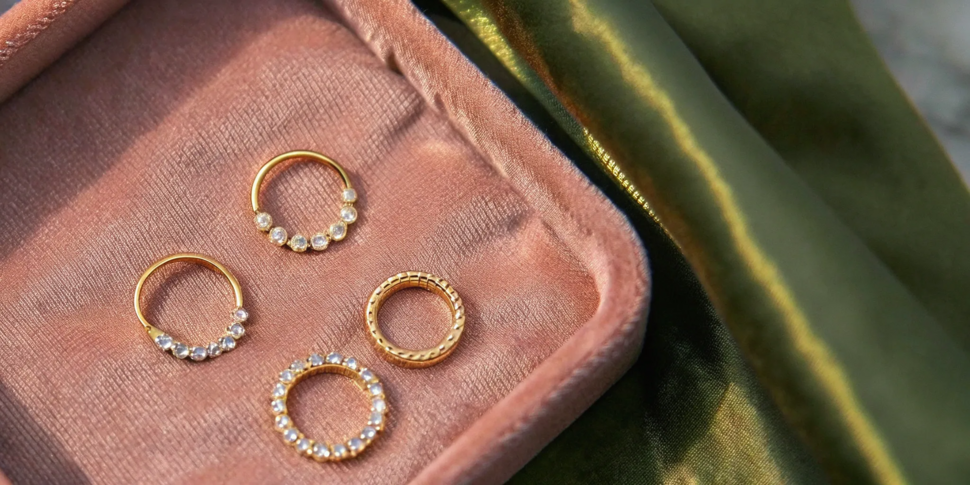
If you have sensitive skin, you know the frustration of falling in love with a piece of jewelry only to have it cause redness and irritation. For something as delicate as a nose piercing, the stakes are even higher. You’ve likely searched for the word “hypoallergenic,” hoping it’s a guarantee of comfort, but the term can be misleading. It doesn’t mean a piece is completely allergy-proof; it just means it’s less likely to cause a reaction. The key to avoiding irritation isn’t just a label—it’s understanding the materials. This guide will break down what you truly need to look for in a hypoallergenic gold nose ring, from metal purity to the quality of craftsmanship, so you can wear your jewelry with confidence.
Key Takeaways
- Choose Your Metal Wisely: The term "hypoallergenic" is a starting point, not a guarantee. The safest choice for sensitive skin is solid 14k or 18k gold that is explicitly labeled nickel-free, as nickel is the primary cause of jewelry allergies.
- Prioritize Comfort in Style and Fit: Even high-quality gold can cause irritation if the jewelry doesn't fit properly. Ensure your nose ring isn't too tight or loose and select a stable style, like a stud, for newer piercings to minimize friction.
- Combine Gentle Cleaning with Skin Awareness: A simple daily cleaning with saline solution or mild soap prevents buildup and irritation. Pay attention to any signs of a reaction, like redness or itching, and remove the jewelry immediately to let your skin recover.
What Does "Hypoallergenic" Really Mean for a Gold Nose Ring?
If you have sensitive skin, you’ve probably looked for the word “hypoallergenic” when shopping for everything from skincare to jewelry. It sounds official and reassuring, but when it comes to a new nose ring, the term can be a bit misleading. It doesn’t mean a piece is 100% guaranteed not to cause a reaction. Instead, it simply means it’s less likely to cause one.
The key is to understand which materials are truly kind to your skin and which ones are just hiding behind a label. For something as delicate as a nose piercing, knowing the difference is crucial for staying comfortable and irritation-free. Let’s break down what you really need to look for.
Defining Hypoallergenic Jewelry
The term "hypoallergenic" isn't regulated by the FDA, so jewelers can use it quite freely. It’s more of a marketing term than a medical standard, suggesting a piece is made from metals that are less likely to trigger an allergic reaction. While the label is a good starting point, it can still lead to irritation depending on the specific metal composition of the jewelry.
Pure, 24k gold is naturally hypoallergenic, which is why it’s a fantastic choice for sensitive skin. The challenge is that pure gold is too soft for everyday wear, especially for a nose ring. To make it durable, jewelers mix it with other metals to create an alloy. The type and amount of these other metals determine whether the final piece is truly gentle on your skin.
Common Allergens to Avoid
The number one culprit behind jewelry allergies is nickel. It’s a strong, inexpensive metal often mixed into alloys to add durability and lighten the color, especially in white gold. Unfortunately, it’s also the most common metal allergen. Choosing high-quality materials like 14k or 18k solid gold from trusted designers can minimize this risk, as they are far less likely to contain nickel.
Other metals that can cause issues include cobalt and chromium, though they are less common. The best way to protect your piercing is to opt for nickel-free gold. When you’re shopping, don’t be afraid to ask what metals are in the alloy. A reputable jeweler will always be transparent about their materials.
Busting Common Hypoallergenic Myths
Let’s clear up a few common misconceptions. First, "hypoallergenic" does not mean "allergy-proof." It’s a signal to investigate the materials more closely, not a guarantee of safety. Second, a high price tag doesn't automatically mean a piece is safe for sensitive skin. Some expensive white gold alloys use nickel for its bright, silvery color, so it’s always about the specific metals used, not the cost.
Another big myth is that gold-plated jewelry is a safe alternative. While the outer layer is gold, it can wear away over time, exposing your skin to the base metal underneath—which is often a nickel alloy. For a piercing, it’s always best to choose solid gold to ensure you’re only in contact with high-quality, body-safe materials. Our jewelry collection focuses on solid metals for this very reason.
Why Gold Purity Matters for Sensitive Skin
If you have sensitive skin, you know that not all jewelry is created equal. For a new or delicate piercing, the material you choose is everything. When it comes to gold, its purity—measured in karats—plays a huge role in whether your nose ring feels comfortable or causes irritation. The key isn't just the gold itself, but the other metals it's mixed with. Understanding the differences will help you select a piece that is not only beautiful but also kind to your skin.
14k vs. 18k vs. 24k Gold: What's the Difference?
Let's break down the karat system. The "k" stands for karat, which measures the ratio of pure gold to other metals in a piece. 24k gold is 99.9% pure gold, making it the most hypoallergenic option. However, it’s also very soft and not always practical for everyday wear. That’s why gold is often mixed with stronger alloy metals. 18k gold is 75% pure gold, offering a beautiful balance of rich color and durability, making it an excellent choice for sensitive skin. 14k gold, which is 58.3% pure gold, is a popular and durable option for fine jewelry. With 14k gold, the quality of the alloy metals becomes even more important.
How Alloy Metals Can Cause Irritation
Here’s a surprising fact: a gold allergy is rarely a reaction to the gold itself. More often than not, the culprit is one of the alloy metals mixed in to make the gold stronger or alter its color. The most common offender is nickel, which is known to cause skin irritation and allergic reactions in a significant portion of the population. It’s often used to strengthen the metal and, in the case of white gold, to give it a silvery-white hue. This is why two pieces of 14k gold jewelry can feel completely different on your skin—it all comes down to the specific metals used in the alloy. The designers we feature prioritize high-quality, body-safe materials in their work.
The Importance of Nickel-Free Gold
The simplest way to keep your piercing happy is to choose nickel-free gold. Higher-karat golds, like 18k, are a great place to start since they contain a smaller percentage of alloy metals, reducing the likelihood of a reaction. That said, you can absolutely find high-quality, nickel-free 14k gold. Reputable jewelers are careful about the alloys they use, often opting for mixtures of silver, copper, and palladium that are much gentler on the skin. Investing in a well-made piece from a trusted source ensures you know exactly what you’re putting on your body. If you ever have questions about materials, you can always book an appointment to discuss your options with an expert.
What Quality Markers Should You Look For?
When you’re shopping for a new nose ring, it’s easy to get swept up in the design. But to keep your piercing happy and healthy, you need to look a little closer at the piece itself. Knowing the signs of high-quality, body-safe jewelry will help you choose a piece you can wear comfortably for years to come. Think of it as becoming your own jewelry detective—once you know what to look for, you’ll be able to spot a great find anywhere.
From understanding what certifications actually mean to knowing why a smooth finish is non-negotiable, these quality markers are your best defense against irritation. Let’s break down exactly what you should be checking for before you make a purchase.
Decoding Certifications and Standards
The term "hypoallergenic" can feel a bit vague, and that's because it is. There isn't a single, official certification that guarantees a piece of jewelry won't cause a reaction. Instead, it's more about what the material doesn't contain. For most people with sensitive skin, the main culprit is nickel. That’s why you should always look for jewelry that is explicitly labeled as nickel-free. Reputable designers who specialize in fine jewelry understand this and prioritize using pure, body-safe alloys in their work. So, while you won't see a "certified hypoallergenic" stamp, the "nickel-free" promise is the next best thing.
Why Material Documentation Matters
Transparency is everything when it comes to fine jewelry. A trustworthy jeweler will always be able to tell you exactly what metals are in a piece, right down to the specific alloys used with gold. Don't be shy about asking! Clear documentation and labeling are signs that the creator stands behind their work and prioritizes your safety. If a seller is vague about the materials or can't provide clear information, consider it a red flag. When you browse a curated jewelry collection, you should have access to all the details you need to make an informed choice for your sensitive skin.
Solid Gold vs. Gold-Plated: Which is Safer?
This is a big one, especially for a piercing that’s in direct contact with your body 24/7. Solid gold is an excellent choice because it’s a stable, pure material that is naturally hypoallergenic. Gold-plated jewelry, on the other hand, has a very thin layer of gold applied over a base metal, which is often a nickel alloy. Over time, that thin plating can wear away, exposing your skin to the potentially irritating metal underneath. For a nose ring, investing in solid 14k or 18k gold is always the safer, more durable option that minimizes the risk of a reaction.
The Role of a Smooth Finish and Sterile Packaging
The craftsmanship of a nose ring goes beyond its design. The surface of the jewelry should be perfectly smooth and polished, with no nicks, scratches, or rough edges. A flawless finish isn't just for looks; it prevents bacteria from getting trapped and makes the jewelry easier to clean, which is essential for preventing infections. When you’re buying a piece for a new or sensitive piercing, it should also come in sterile packaging. This shows that the jeweler is committed to hygiene and your well-being. If you want to see what true quality craftsmanship looks like up close, you can always book an appointment to see pieces in person.
Find the Best Nose Ring Style for Your Sensitive Skin
Choosing the right metal is half the battle, but the style of your nose ring plays an equally important role in keeping your piercing happy. The shape, size, and closure mechanism can all affect how your skin reacts. A design that minimizes friction and movement is key, especially if your piercing is new or you know your skin is prone to irritation. Think of it this way: even the highest quality gold can cause problems if the jewelry is constantly snagging or putting pressure on the piercing.
Finding the perfect style is about balancing aesthetics with comfort. You want a piece that not only looks beautiful but also feels like it’s barely there. Let’s walk through some of the best styles for sensitive skin, from simple studs that offer stability to innovative designs that make changing your jewelry a breeze. Understanding these options will help you select a nose ring that you can wear confidently and comfortably for years to come.
The Case for Studs and Secure Backings
When in doubt, a simple stud is often your best friend. Styles with secure backings, like L-shape studs or flat back labrets, are designed to sit flush against your skin and stay put. This stability is crucial because it minimizes the friction and movement that can lead to irritation. Unlike hoops that can rotate through the piercing, a well-fitted stud remains stationary, giving your skin a chance to stay calm. They are an ideal choice for a new piercing that is still healing, but their comfort and simplicity make them a go-to for anyone with sensitive skin.
A Look at Hoops and Seamless Rings
We all love the look of a delicate hoop, but it’s a style best saved for a piercing that is completely healed. Because hoops can move and rotate, they can easily aggravate a new or sensitive piercing channel. Once you’re fully healed, you can absolutely explore the world of hoops and seamless rings. These styles offer a classic, chic look and can be very comfortable when made from a high-quality, hypoallergenic metal. When you're ready to switch things up, you can find a beautiful variety of designer jewelry that includes stunning and skin-friendly options.
Benefits of Threadless and Push-Fit Designs
Threadless jewelry is a fantastic innovation, especially for those with sensitive piercings. Instead of screwing a top on, these designs use a small pin that slides into a hollow post and is held securely by tension. The major benefit? There are no threads to drag through and scrape the inside of your piercing when you insert or remove the jewelry. This process is much gentler on the skin, significantly reducing the risk of creating micro-tears and causing irritation. It’s a small detail in design that makes a huge difference in comfort.
Why Proper Sizing and Fit Are Crucial
You could pick the perfect metal and the ideal style, but if the fit is wrong, you’ll still run into trouble. A nose ring that’s too tight will squeeze the piercing, restricting blood flow and causing painful pressure. On the other hand, a piece that’s too loose will move around too much, creating constant friction. The goal is a perfect, "Goldilocks" fit. Getting this right can be tricky on your own, which is why we always recommend a professional fitting. You can book an appointment with an expert who can help you find the precise size for your unique anatomy, ensuring your new jewelry is as comfortable as it is beautiful.
How to Spot and Handle an Allergic Reaction
Even with the highest quality gold, our bodies can sometimes be unpredictable. The most important thing is to pay attention to how your skin feels. If you’re having a reaction, your body will let you know.
Know the Warning Signs and Symptoms
Look out for common signs of a gold allergy, which often include swelling, a rash, redness, or persistent itching around your piercing. You might also notice your skin starting to peel, develop dark spots, or even form small blisters. These symptoms can show up right away or after you’ve been wearing a piece for some time. Trust your instincts—if something feels off, it probably is. Listening to your body is the first step in keeping your piercing happy and healthy.
What to Do Immediately if You Have a Reaction
The moment you suspect a reaction, the first thing you should do is gently remove your nose ring. This gives your skin a chance to breathe and recover. For a mild reaction, you can often manage the symptoms at home. Try applying a cool cloth to the area to help with any itching or swelling. Keeping the skin clean and moisturized is also key to helping it heal. An over-the-counter cream containing corticosteroids can be really effective for calming down redness and irritation. Just be gentle with the area—no harsh soaps or scrubbing. The goal is to soothe your skin, not stress it out further.
When to Remove Your Jewelry and See a Professional
If your symptoms don't improve with at-home care or if the reaction seems severe—think intense blisters, significant swelling, or any signs of infection—it’s time to see a doctor. They can prescribe stronger medicine to get things under control. It’s also crucial to stop wearing the jewelry that caused the problem to prevent it from happening again. Once your skin has fully healed, you can start thinking about what to try next. If you’re unsure about which metal is right for you, it’s always a great idea to get expert advice. You can book an appointment with us to explore beautiful, body-safe options that won’t irritate your skin.
How to Care for Your Hypoallergenic Gold Nose Ring
Once you’ve found the perfect hypoallergenic gold nose ring, you’ll want to keep it looking its best and feeling comfortable for years to come. Proper care is simple, but it makes all the difference in preventing irritation and maintaining that beautiful shine. A little daily attention goes a long way in protecting both your piercing and your investment in a piece of fine jewelry. Think of it as a small ritual that keeps your favorite accessory in pristine condition.
Your Daily Cleaning Routine
Keeping your nose ring clean is the most important step for a happy piercing. Aim to clean the area once or twice a day, especially if your piercing is still healing. The best method is the simplest: use a mild, fragrance-free soap and warm water. Lather the soap in your hands and gently wash the piercing and the jewelry, then rinse thoroughly with clean water. For a gentler approach, a saline solution is fantastic. You can easily make your own by dissolving a quarter teaspoon of non-iodized sea salt into one cup of warm distilled or bottled water. Dip a cotton ball or Q-tip in the solution and carefully clean around the piercing.
Harsh Chemicals and Products to Avoid
What you don't put on your piercing is just as important as what you do. Steer clear of harsh chemicals like rubbing alcohol, hydrogen peroxide, and antibacterial ointments. While they might seem like a good idea for disinfecting, they can be overly drying, delay healing, and cause significant irritation to sensitive skin. You should also avoid cleansers with added fragrances, dyes, or exfoliants. When it comes to your skincare routine, try to apply lotions, sunscreens, and makeup carefully around the piercing. These products can build up on your jewelry, dulling its shine and potentially clogging the piercing site, which can lead to irritation.
Tips for Proper Storage and Maintenance
If you ever switch out your nose ring, proper storage is key to preventing scratches and damage. Keep your gold piece in a soft, fabric-lined jewelry box or a small pouch, separate from other items. This prevents it from getting tangled or scratched by harder gemstones. It’s also a good idea to take your nose ring out before swimming in chlorinated pools or hot tubs, as the chemicals can be harsh on both your skin and the metal. By creating a safe place for your jewelry, you ensure it’s always ready to wear and looks just as stunning as the day you got it.
How to Inspect Your Jewelry for Wear
Give your nose ring a quick check-up every few weeks. Look closely for any signs of damage, like deep scratches, bending, or discoloration. If your nose ring has a gemstone, gently check to see if the setting is still secure and the stone isn't loose. A small magnifying glass can help you spot any issues you might otherwise miss. Catching a loose prong early can save you from losing a precious stone. If you notice anything concerning or just want a professional deep cleaning, it’s always best to book an appointment with a trusted jeweler who can assess and repair it properly.
Where to Find a Quality Hypoallergenic Gold Nose Ring
Once you know what to look for in a hypoallergenic gold nose ring, the next step is finding a place you can trust to buy one. The right jeweler will not only have beautiful pieces but will also be transparent about their materials and committed to quality. It’s about finding a partner who can guide you to a piece that’s both stunning and safe for your sensitive skin.
What to Look for in a Reputable Jeweler
A reputable jeweler is your best resource for finding a safe and beautiful nose ring. Look for a store that prioritizes transparency and is happy to talk about the materials they use. The best jewelers have a deep understanding of their craft and can explain the composition of their pieces without hesitation. They often feature a curated selection of designers known for their commitment to quality craftsmanship and materials. Choosing a jeweler who specializes in high-quality metals like 14k solid gold is a great first step, as it significantly reduces the risk of encountering nickel, a very common skin allergen. A relaxed, informative environment where you feel comfortable asking questions is a sure sign you’re in the right place.
Key Questions to Ask Before You Buy
To feel confident in your purchase, you should come prepared with a few key questions. Don’t be shy—a trustworthy jeweler will welcome your curiosity.
Start with these basics:
- Is this piece solid gold or gold-plated?
- What is the karat of the gold?
- Can you confirm this piece is nickel-free?
- What other metals are in the alloy?
Asking these questions helps you verify that you’re getting real gold, which is naturally hypoallergenic and ideal for a new or sensitive piercing. If you want a truly personalized experience, you can always book an appointment to speak with a jewelry expert one-on-one.
Understanding the Cost of a Quality Piece
When it comes to hypoallergenic jewelry, the price tag is a reflection of quality and safety. A higher price often indicates purer materials and superior craftsmanship. The best hypoallergenic nose rings are typically made from solid 14k gold, titanium, or surgical-grade stainless steel—materials that cost more than the cheap alloys found in mass-produced jewelry. Think of it as an investment in your health and comfort. Paying a little more upfront for a well-made piece from a trusted source can save you from the pain, irritation, and potential medical costs of an allergic reaction down the line. When you browse a collection of fine jewelry, you're seeing pieces designed to last a lifetime without causing issues.
How to Ensure Long-Term Comfort and Style
Finding a beautiful hypoallergenic nose ring is just the first step. Making sure it remains comfortable and stylish for years to come involves a little bit of know-how and care. From getting the right fit to keeping your jewelry pristine, these practices will help you enjoy your new piece without any irritation, ensuring your piercing stays healthy and your style stays on point.
Why You Should Consult a Professional Piercer
Even if your piercing is fully healed, a professional piercer is your best resource for getting the perfect fit. They can accurately measure your piercing to determine the correct gauge and diameter, which is essential for preventing irritation from a piece that’s too tight or too loose. A piercer can also assess your anatomy and recommend styles that will be most comfortable for you. Choosing high-quality materials like 14K solid gold can minimize the risk of a reaction, as they are less likely to contain nickel, a common allergen. A quick consultation can give you the confidence that you’re investing in a piece that’s not only beautiful but also perfectly suited for you.
How to Test New Jewelry Safely
When you bring home a new nose ring, it’s always a good idea to introduce it to your skin carefully. Before you wear it, give the new piece a gentle cleaning with mild soap and warm water. For the first few days, try wearing it for just a few hours at a time to monitor how your skin responds. This is especially important if you have a history of metal sensitivities. High-quality, real gold jewelry is hypoallergenic, making it an ideal choice for sensitive skin because it minimizes the risk of allergic reactions. By taking this simple precaution, you can ensure your new piece is a comfortable and safe fit for everyday wear.
Create a Maintenance Schedule for Healthy Skin
Keeping your nose ring and piercing clean is the secret to long-term comfort and sparkle. Regular cleaning is crucial for hygiene and helps maintain the shine of your jewelry. You don’t need a complicated routine—just a simple, consistent one. Once a day, or every few days, gently wash the area and the jewelry with a mild, fragrance-free soap and warm water, then carefully pat it dry. This removes any buildup that could cause irritation. It’s also a good habit to inspect your piercing for any signs of redness. A steady care routine ensures your skin stays healthy and your favorite pieces from talented designers continue to look their absolute best.
Related Articles
- Rose Gold Wedding Bands: Benefits, Styles & Tips - Element 79 Contemporary Jewelry
- Can You Sleep With Earrings In? An Expert Explains - Element 79 Contemporary Jewelry
- 6 Best Chunky Gold Hoop Earrings for Every Style - Element 79 Contemporary Jewelry
Frequently Asked Questions
What is the absolute best type of gold for a sensitive nose piercing? For sensitive skin, your safest and most comfortable options are 14k or 18k solid gold. Both are high in pure gold content, which is naturally hypoallergenic. 18k gold is slightly purer and a great choice for extremely sensitive skin, while 14k gold offers a fantastic balance of durability and purity. The most important factor is ensuring the piece is explicitly nickel-free, as nickel is the most common culprit behind skin irritation.
Is white gold a bad choice if I have sensitive skin? Not necessarily, but you do need to be more careful. Traditionally, white gold was mixed with nickel to get its silvery-white color, which is a major problem for sensitive skin. However, modern, high-quality white gold is often made with palladium instead. Palladium is a platinum-group metal that is an excellent hypoallergenic alternative. Always ask if a white gold piece is made with a palladium alloy to ensure it’s a safe choice for your piercing.
How can I tell if my current nose ring is causing irritation or if it's something else? If the jewelry is the problem, you'll typically see symptoms localized right around the piercing. Look for persistent redness, itching, a rash, or even tiny blisters that don't clear up with regular cleaning. The irritation might also flare up after the jewelry has been in for a few hours or days. If the area feels fine immediately after cleaning but gets itchy later, that’s often a strong sign that you're reacting to the metal itself.
How long should I wait before switching from a stud to a hoop? It’s so tempting to switch to a stylish hoop, but patience is key. You should wait until your piercing is completely and totally healed, which can take anywhere from six to nine months, and sometimes even longer. Hoops move and rotate more than studs, which can easily irritate a piercing that isn't fully mature. Switching too soon can cause inflammation and set back your healing process, so it's best to wait for your piercer's green light.
Why is a solid gold nose ring so much more expensive, and is it really worth it? The price difference comes down to the quality and amount of the materials used. A solid gold nose ring is crafted from a durable, precious metal all the way through. A gold-plated piece, on the other hand, has only a microscopic layer of gold over a cheap base metal, which is often a nickel alloy. For a piercing, solid gold is absolutely worth the investment. The plating on cheaper jewelry can wear off, exposing your skin to irritating metals and leading to a painful reaction. A solid gold piece is a safer, more comfortable, and longer-lasting choice for your body.
Recent articles
View all
Brooke's Holiday Favorites - 2025

Holly's Holiday Favorites - 2025