

How to Care for Pearl Jewelry: The Right Way
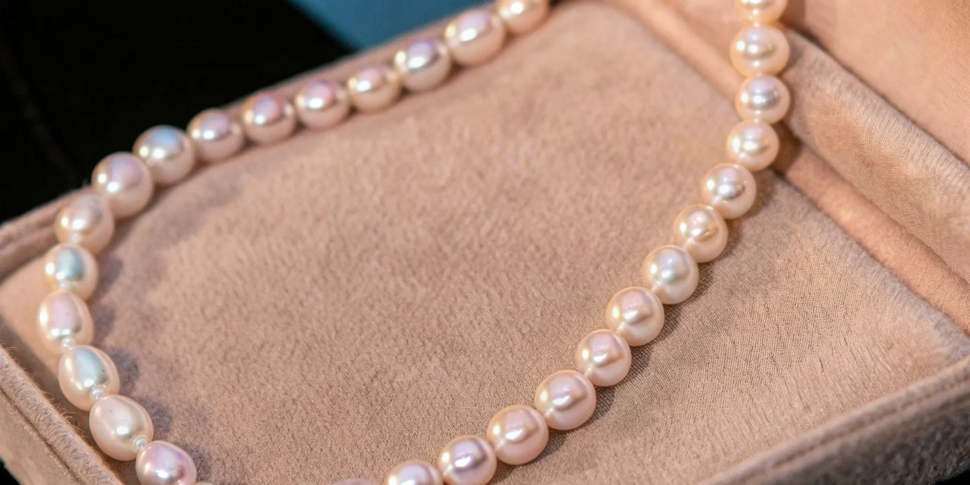
Many of us are unknowingly harming our most delicate jewelry. That spritz of perfume before you leave the house, tossing your necklace into a jewelry dish at night, or wearing your favorite earrings to the pool—these common habits can be devastating to pearls. As organic gems, they are incredibly sensitive to chemicals, abrasion, and extreme temperatures. Their soft, porous surface requires a different set of rules than your diamonds and gold. This guide is here to highlight the common mistakes that can dull their luster and provide the simple, effective solutions for how to care for pearl jewelry the right way.
Key Takeaways
- Make "Last On, First Off" Your Mantra: Always put your pearls on after applying cosmetics, hairspray, and perfume. This simple habit is the most effective way to shield their delicate surface from chemicals that can dull their shine over time.
- Clean Gently and Store Separately: After wearing, wipe your pearls with a soft cloth and keep them in their own fabric-lined pouch. Always lay strands flat to prevent the silk cord from stretching, which keeps your necklace secure and looking its best.
- Schedule Professional Check-Ups: The silk cord on pearl strands naturally weakens with wear. Have your pearls professionally inspected and restrung every few years to prevent a costly break and ensure your treasured pieces remain secure for a lifetime.
Why Your Pearls Need Special Care
Pearls aren't like your other gemstones. While diamonds are famously tough, pearls are organic gems with a delicate soul, born from living creatures. This unique origin story is what gives them that incredible luster, but it also means they need a little extra TLC to stay beautiful for years to come. Understanding why they're so special is the first step to giving them the care they deserve. It’s not about being fussy; it’s about preserving a piece of natural art you get to wear.
What Makes Pearls So Unique?
Unlike gems mined from the earth, pearls are the only ones created by a living organism. They are made of soft, organic material, which gives them their signature glow. This natural process makes each pearl one-of-a-kind, but it also means they are much softer and more porous than crystalline gemstones. Think of them as having a delicate skin that can easily be scratched. This is why the same care routine you use for your diamond rings won't work for your favorite pearl jewelry.
Common Styles of Pearl Jewelry
From a classic strand of pearls to modern drop earrings, these gems are incredibly versatile. You’ll find them in stunning necklaces, bracelets, and even as the centerpiece in unique rings. We especially love seeing them in our Vintage & Estate collection, where their history really shines. Each style has its own contact points with your skin and the environment, so knowing how to care for each specific piece is key to its longevity and preserving its unique character.
The Delicate Nature of Pearls
Because pearls are so soft, they are highly susceptible to damage. Everyday substances can be surprisingly harmful. Things like hairspray, perfume, and lotion can strip away their luster over time. According to the Gemological Institute of America (GIA), high heat and direct sunlight can also cause them to dry out or crack. And whatever you do, never wear your pearls in the shower or while swimming. Water can weaken the silk thread of a necklace and damage the glue used in settings, leading to potential loss or damage.
How to Clean Your Pearl Jewelry
Keeping your pearls looking their best doesn't require a complicated process. In fact, the key is a gentle and consistent approach. Because pearls are organic gems, they are much softer and more porous than diamonds or sapphires, so they need a little extra attention to maintain their gorgeous luster. With just a few simple habits, you can ensure your favorite pearl pieces stay radiant for years to come. Think of it less as a chore and more as a small ritual to care for something you love.
Your Simple Daily Cleaning Routine
The most important step in pearl care is also the easiest. After you take off your pearls for the day, simply give them a quick wipe-down with a soft, dry cloth. A microfiber jewelry cloth or even a soft cotton fabric works perfectly. This two-second habit removes any residue from your skin’s natural oils, makeup, or perfume that may have come into contact with the pearls. Consistently removing these substances prevents buildup that can dull your pearls’ beautiful shine over time and helps preserve the integrity of your favorite pearl pieces.
A Gentle Deep-Cleaning Method
Every so often, your pearls might need a little more than a simple wipe-down, especially if they start to look a bit dull. For a safe and effective deep clean, all you need is lukewarm water and a drop of mild, phosphate-free soap (like baby soap). Dampen a soft cloth in the soapy water, wring it out so it’s not dripping, and gently wipe each pearl. Avoid soaking the entire strand, as this can weaken the silk thread. After wiping, use a separate clean, damp cloth to remove any soap residue. This method is perfect for restoring the glow to all your pearls, including delicate vintage pearl jewelry.
Specific Tips for Necklaces, Earrings, and Bracelets
While the cleaning method is the same, different types of pearl jewelry have unique needs. For necklaces and bracelets, pay special attention to the silk cord they are strung on, as it can attract dirt. When cleaning, be gentle to avoid stretching the cord. It’s also a good idea to wipe down the metal clasp. For pearl earrings, you can clean the metal posts more thoroughly, but be sure to keep any harsh cleaners away from the pearl itself. The unique pieces created by our designers often feature pearls alongside other gems, so always clean with care.
The Right Way to Dry Your Pearls
Drying your pearls properly is just as important as cleaning them. After wiping them with a damp cloth, lay your pearl necklace or bracelet flat on a soft, dry towel. This prevents the silk cord from stretching, which can happen if you hang it to dry. Allow the pearls to air dry completely before putting them away—this can take several hours, so be patient! Trapped moisture can damage the nacre and weaken the thread over time. If you ever notice the cord on your necklace is stretched or discolored, it’s a sign you need professional restringing.
Storing Your Pearls to Prevent Damage
Once your pearls are clean and dry, where you put them is just as important as how you wear them. Proper storage is your best defense against scratches, damage, and the gradual loss of that beautiful luster. Think of it as tucking them in for the night. A little bit of care here goes a long way in making sure your pearls last a lifetime and beyond. It’s not complicated, but it does require a different approach than you might take with your diamond studs or gold chains. Let’s walk through the simple steps to create the perfect home for your precious pearls.
Choosing the Perfect Storage Pouch
The first rule of pearl storage is to keep them soft and cozy. Because pearls have a delicate surface, they can easily be scratched. Your best bet is to store them in a soft cloth pouch made of silk, velvet, or even simple cotton. If you prefer a jewelry box, make sure it has a soft, fabric-lined compartment dedicated just to your pearls. Tossing them into a catch-all dish or a drawer with other items is a recipe for scuffs and scrapes. Giving your pearls a soft home is the single easiest thing you can do to protect their surface and keep them looking radiant for years. Many of our designers create pieces meant to be treasured, and proper storage is key to that.
Why Pearls Need Their Own Space
Giving pearls their own space isn’t just about being organized—it’s about protection. Pearls are organic gems and are much softer than most other gemstones and metals in your jewelry collection. On the Mohs scale of hardness, pearls rank at a mere 2.5-4.5, while diamonds are a 10 and even gold is around the same hardness. This means that a diamond ring, a metal clasp, or even a sapphire earring can easily leave a permanent scratch on a pearl’s surface. To prevent this, always store your pearls separately. Think of it as giving them their own private room in your jewelry box, away from harder pieces that could cause harm. This is especially true for treasured vintage and estate pieces that deserve extra-special attention.
Managing Humidity and Temperature
This might surprise you, but your pearls need to breathe. Because they are formed in water, they contain trace amounts of moisture. Storing them in an airtight environment, like a plastic bag or a safe deposit box for extended periods, can cause them to dry out. Dehydrated pearls can become brittle and may even crack over time. Instead, let them have some air. A fabric pouch inside a jewelry box is perfect. If you live in a very dry climate, you can even place a small, damp cotton ball in the jewelry box with them to provide a little humidity. Just be sure to keep them away from direct sunlight and heat sources like radiators, which can also cause them to dry out and lose their color.
Storing Pearl Necklaces: Lay Flat or Hang?
When it comes to storing a pearl necklace or bracelet, always lay it flat. While it might seem convenient to hang your strands on a jewelry tree, this is one of the worst things you can do for them. Most pearl necklaces are strung on silk thread, which is strong but can stretch over time. Hanging a necklace puts constant tension on that thread, causing it to weaken and stretch out. This creates unsightly gaps between the pearls and increases the risk of the strand breaking. By storing your necklaces flat in a lined drawer or jewelry box, you eliminate that tension and help maintain the structural integrity of the piece. It’s a simple habit that will keep your beautiful jewelry looking its best.
How to Wear Your Pearls Safely
Your pearls are meant to be worn and admired, not hidden away in a jewelry box. But because they are organic gems, they require a bit more mindfulness than your diamonds or sapphires. Think of them as a beautiful silk blouse rather than a pair of sturdy jeans—they just need a little extra consideration. By following a few simple guidelines, you can confidently wear your pearls for any occasion, knowing they’ll remain as luminous as the day you got them. It’s all about creating simple habits that protect their delicate surface and ensure they last a lifetime.
The Golden Rule: Last On, First Off
This is the most important piece of advice for any pearl owner, and it’s wonderfully simple to remember: your pearls should be the last thing you put on and the first thing you take off. Apply your makeup, lotion, perfume, and hairspray before you even think about clasping that necklace. The chemicals and acids in these everyday products can eat away at a pearl’s nacre, causing it to lose its beautiful luster. At the end of the day, take your pearls off before anything else. This simple habit minimizes their exposure to harmful substances and keeps them safe from accidental snags while you change.
Activities to Avoid While Wearing Pearls
While pearls are perfect for a dinner party, they aren’t suited for the gym. It’s best to remove them before any activity where you might sweat heavily. Perspiration is acidic and can damage the pearl’s surface over time. You should also never wear your pearls while sleeping, showering, or swimming. Water can weaken the silk thread used to string pearl necklaces, causing it to stretch or break. Chlorine in pools and hot tubs is especially corrosive and will severely damage the nacre. A good rule of thumb is if you’re about to do something that could get them wet or dirty, take them off first.
Best Practices for Special Occasions
Pearls are the perfect accessory for life’s biggest moments. Whether you're wearing a family heirloom or a stunning piece from a modern bridal collection, a little mindfulness goes a long way. At a party or event, simply be aware of your surroundings. Try to avoid letting your pearl necklace or bracelet rub against abrasive surfaces. If you need to clean the metal setting of a ring or a pair of earrings, use a cotton swab with a tiny bit of rubbing alcohol, but be extremely careful not to let the alcohol touch the pearl itself. With just a little care, your pearls will be ready for every celebration.
Knowing When to Take Your Pearls Off
Beyond your morning and evening routines, there are other times you’ll want to remove your pearls for safekeeping. Take them off before doing any household chores, especially when using cleaning supplies. The harsh chemicals in many cleaners can cause irreversible damage. It’s also wise to remove them before heading to a salon for a haircut or color. Making it a habit to remove your favorite pearl jewelry before any potentially messy or chemical-heavy situation will ensure it stays beautiful. Think of it as creating a safe zone for your pearls, protecting them from the less glamorous parts of daily life.
Common Mistakes That Can Harm Your Pearls
Knowing how to clean and store your pearls is half the battle; the other half is knowing what not to do. As organic gems, pearls are much softer and more porous than other gemstones. Everyday substances that won’t harm your other fine jewelry can cause irreversible damage to a pearl’s delicate surface. Avoiding a few common mistakes is the key to keeping your pearls luminous for years to come. It’s simple preventative care for one of nature’s most stunning creations.
Harsh Chemicals and Cleaners to Avoid
Your pearls are sensitive, and contact with chemicals is their number one enemy. Common household items like bleach, ammonia, and vinegar can strip away a pearl’s nacre, leaving it dull and damaged. The same goes for personal products like hairspray and perfume, as well as chlorinated water in pools. Even your body’s natural oils can affect their luster over time. This is why it’s so important to wipe them down with a soft cloth after each wear to remove any residue.
Why to Skip Ultrasonic and Steam Cleaners
While ultrasonic and steam cleaners work wonders on hard gemstones, they are far too aggressive for pearls. The intense vibrations from an ultrasonic cleaner can cause the nacre to crack or even shatter. Similarly, the high heat from a steam cleaner can burn the pearls, causing them to discolor or lose their beautiful orient. Professional jewelers know to avoid these methods, and it's critical for at-home care. When it comes to pearls, gentle, manual cleaning is always the safest approach.
Beauty Products That Aren't Pearl-Friendly
The golden rule for wearing pearls is “last on, first off.” This simple habit protects them from the chemicals in many beauty products. Makeup, sunscreen, lotions, and perfumes can coat the pearl’s surface, dulling its shine and slowly eroding the nacre. For best results, wait about 30 minutes after applying any personal care products before putting on your pearls. This gives everything time to absorb into your skin and is especially important for bridal jewelry.
Environments That Can Damage Luster
Pearls thrive in moderate conditions, so protect them from extreme environments. High heat from a stove, fireplace, or direct sunlight can dry out the organic material, leading to discoloration and cracking. While pearls are born in water, you should never wear them while swimming or showering. The water can weaken the silk thread used to string necklaces and bracelets, causing it to stretch or break. For earrings and rings, moisture can damage the adhesive that secures the pearl to its setting.
When to Seek Professional Pearl Maintenance
Even with the most diligent at-home care, your pearls will eventually need a professional's touch. Think of it like a wellness visit for your most cherished accessories. Over time, the silk thread that holds your necklace together can stretch, absorb oils, and weaken, while grime can build up in ways that a simple wipe-down can't fix. Taking them to a specialist isn't just about cleaning; it's about preventative care that keeps your pieces secure and beautiful for years to come. A professional jeweler has the right tools and expertise to safely clean and repair your pearl jewelry, preserving its luster and integrity without causing accidental damage. They can spot potential issues you might miss, like a weakening clasp or early signs of thread decay. This proactive step is the best way to protect your investment and ensure your pearls can be passed down through generations, looking just as radiant as the day you got them. It's a small effort that pays off by preventing a heartbreaking snap of a beloved necklace or the loss of a single, perfect pearl from an earring.
A Schedule for Professional Cleaning and Restringing
A great rule of thumb is to take your pearl jewelry to a trusted jeweler once a year for a check-up. They can give your pieces a thorough, safe cleaning and inspect the clasps and settings for any signs of wear. For pearl strands, restringing is a key part of long-term care. If you wear your pearls often, plan to have them restrung every one to two years. For pieces you wear less frequently, every three to five years should be sufficient. The natural silk thread used for stringing can absorb oils and weaken over time, so regular restringing prevents a potential disaster and keeps your necklace looking its best.
Signs Your Pearls Need an Expert's Touch
Your pearls will often give you visual cues when they need attention. Take a close look at the thread on your pearl necklace or bracelet. If it appears gray, frayed, or discolored, it’s definitely time for restringing. Another clear sign is if the knots between the pearls are no longer snug or if you can see excess space between them. This indicates the thread has stretched, making it more vulnerable to breaking. Also, check the clasp to make sure it fastens securely. If anything feels loose or looks off, it's best to stop wearing the piece and bring it to a professional for an assessment.
What to Expect During a Professional Service
When you bring your pearls in for maintenance, a specialist will start with a careful inspection. They’ll examine the condition of each pearl, the integrity of the silk cord, and the security of the clasp. For a professional cleaning, they use gentle, pearl-safe solutions to remove any built-up residue without harming the delicate nacre. If restringing is needed, they will typically use a strong silk thread, carefully knotting between each pearl. This not only creates a beautiful, classic look but also prevents the pearls from rubbing against each other and ensures that if the strand breaks, you’ll only lose one pearl, not all of them.
Finding a Trusted Jewelry Specialist
Not all jewelers have the specific expertise required to handle pearls. It’s important to find someone who understands the delicate nature of these organic gems. Look for a specialist who has experience working with fine and contemporary jewelry and can show you examples of their work. A trusted expert will always take the time to explain the process and answer your questions. If you’re unsure about the condition of your pearls or simply want an expert opinion, you can always book an appointment with our team. We’re happy to inspect your pieces and recommend the best course of action to keep them shining.
Related Articles
- Jewelry Repair Service 101: A Complete Guide - Element 79 Contemporary Jewelry
- How to Choose an Everyday Diamond Necklace - Element 79 Contemporary JewelryTikTok
- Ruby Birthstone Necklace: A Complete Guide - Element 79 Contemporary Jewelry
Frequently Asked Questions
Is it really that bad to wear my pearls in the shower? It might seem harmless, but water is one of the biggest threats to your pearl jewelry's structure. For necklaces and bracelets, moisture can weaken and stretch the silk cord they're strung on, making it more likely to break. For rings and earrings, water can damage the adhesive that holds the pearl in its setting. It's a simple habit that makes a huge difference in keeping your pieces secure.
My vintage pearls have lost their shine. Can I get it back? You can often restore a good amount of their original glow with a gentle cleaning. Start by wiping them with a soft cloth dampened with lukewarm water and a tiny drop of mild soap. This removes built-up residue from oils and lotions that can make them look dull. While severe damage from chemicals can't be reversed, a proper cleaning can make a surprising difference.
How do I know when it's time to restring my pearl necklace? A good rule of thumb is to have it professionally restrung every one to two years if you wear it frequently. You can also look for visual signs. If the silk cord looks dirty or frayed, or if you notice extra space between the pearls, it means the thread has stretched and is weaker. Taking it to a specialist before it breaks will save you a lot of heartache.
What's the best way to store my pearls if I don't have a special jewelry box? You don't need anything fancy! The most important thing is to keep them separate from harder jewelry that could scratch them. A simple soft pouch made of silk, velvet, or even cotton is perfect. Just place your pearls inside the pouch and store it in a drawer. This protects them from scratches and allows them to breathe, which prevents them from drying out.
If I only remember one thing about pearl care, what should it be? The golden rule is "last on, first off." Always put your pearls on after you've applied all your makeup, perfume, and hairspray. At the end of the day, take them off before you do anything else. This single habit drastically reduces their exposure to the harmful chemicals and acids that can ruin their beautiful luster over time.
Recent articles
View all
Brooke's Holiday Favorites - 2025

Holly's Holiday Favorites - 2025