

How Long Does Ring Resizing Take? What to Expect
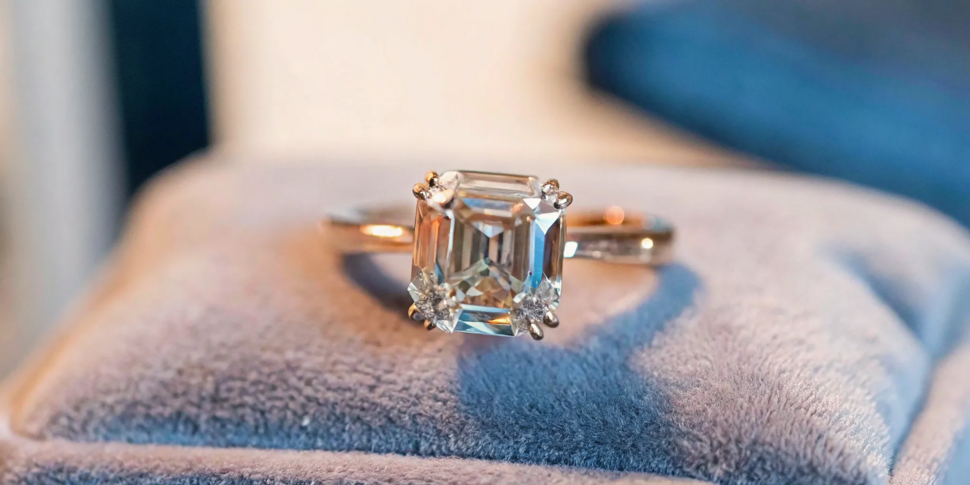
Resizing a ring is a fascinating blend of art and science. To make a ring smaller, a jeweler skillfully removes a tiny piece of the band and seamlessly joins the ends. To make it larger, they must add a perfectly matched piece of metal. This careful craftsmanship ensures your ring returns to you looking flawless. Naturally, this detailed work requires time and precision. If you’re wondering how long does ring resizing take, the answer lies in these very details. This article explores how a ring’s specific design, from a simple gold band to a complex pavé setting, directly impacts the schedule for its transformation.
Key Takeaways
- Your Ring's Design Sets the Pace: The time it takes to resize your ring is directly tied to its complexity. A simple band can be a quick job, while rings with pavé stones, intricate engravings, or tough metals like platinum will require more time to ensure the work is done flawlessly.
- Go Local for Quicker Service: For the fastest turnaround, choose a jeweler with an on-site workshop. This avoids the long shipping delays often associated with chain stores, meaning you could have your ring back in days instead of weeks.
- Some Rings Can't Be Changed: Be aware that certain designs, like full eternity bands, and rings made from materials like tungsten or titanium, simply can't be resized. Always get an expert opinion to see what's possible for your specific piece.
What is Ring Resizing and How Do You Know You Need It?
That beautiful ring on your finger should feel like it was made just for you. But sometimes, life happens—fingers change size due to weather, pregnancy, or weight fluctuations. Or maybe you’ve received a gorgeous vintage piece that needs a little adjustment. That’s where ring resizing comes in. It’s a common and highly skilled process where a professional jeweler adjusts the size of your ring’s band for a perfect, comfortable fit. A well-fitting ring isn’t just about comfort; it’s about making sure your treasured piece is secure so you can wear it with confidence every day.
Signs Your Ring Doesn't Fit Quite Right
Not sure if your ring is the right size? Your finger will usually tell you. If your ring is constantly spinning, sliding up and down your finger, or slips off entirely when your hands are cold or wet, it’s likely too big. You shouldn’t have to worry about a precious engagement ring flying off while you’re washing your hands.
On the other hand, if you struggle to get your ring over your knuckle or it feels uncomfortably snug, it’s probably too small. Telltale signs include your skin bulging around the band, leaving a deep indent after you take it off, or feeling tight and restrictive, especially in warmer weather. Your ring should feel secure, but never constricting.
A Quick Look at How Jewelers Resize a Ring
It might sound a little scary to change a piece of jewelry you love, but the process is fascinating and in the hands of a skilled jeweler, completely seamless. To make a ring smaller, a jeweler carefully removes a small section from the bottom of the band. They then expertly reshape the ring into a perfect circle and solder the two ends together, polishing the area until the seam is completely invisible.
To make a ring larger, there are a couple of methods. For a minor adjustment (about half a size), the metal can sometimes be gently stretched. For a more significant change, the jeweler will cut the band and add a small piece of matching metal. They then solder it into place and polish it flawlessly, ensuring the addition blends in perfectly with the original design. When you book an appointment with a professional, they can assess your ring and determine the best approach.
How Long Does It Take to Resize a Ring?
So, you have a beautiful ring that doesn’t quite fit. The big question on your mind is probably, “How long will I have to be without it?” The answer really depends on the ring itself and the jeweler you trust with it. The timeline for resizing can range from a quick, same-day fix to a couple of weeks for more complex pieces.
Several key factors come into play: the ring’s design, the type of metal it’s made from, and how busy your jeweler’s workshop is. A simple, plain band is a much different project than an intricate vintage piece with delicate stones. Understanding what goes into the process will help you set realistic expectations and appreciate the care your jeweler takes to get that perfect fit. Let’s break down what you can generally expect.
Can You Get It Resized the Same Day?
Let's start with the best-case scenario. Is it possible to get your ring back the same day? Absolutely. If you have a simple band made of gold or silver that only needs to be adjusted by a size or two, a local jeweler with an on-site workshop might be able to complete the work in just a few hours. Some customers have even reported getting their rings back in as little as 45 minutes. This quick turnaround is most likely when the job is straightforward and doesn't require any complex stone setting or detailed work.
The Standard Wait Time for Most Rings
While a same-day turnaround is possible, it isn't the norm for most resizing jobs. A more realistic timeline to expect is anywhere from one to three days. This gives the jeweler enough time to resize your ring carefully, clean it, and give it a final polish without rushing. For more involved work, the wait can be longer. If your ring has a more complicated design or is made from a tougher metal, it’s common for the process to take up to two weeks. This ensures every detail is handled with the precision it deserves.
Why Some Rings Take a Little Longer
If your jeweler quotes you a longer wait time, it's usually for a very good reason. Rings with intricate details, like many of the unique designer pieces we carry, require extra attention. For example, rings with pavé or channel-set stones need a jeweler to meticulously check and tighten each tiny stone after resizing to ensure nothing comes loose. The same goes for many vintage and estate rings, which demand special care. Additionally, rings made from tougher metals like platinum are more difficult to work with and naturally take more time to resize properly.
What Factors Influence the Resizing Timeline?
So, you’ve dropped off your ring and are eagerly awaiting its return. While it’s tempting to count the minutes, the truth is that the resizing timeline isn’t one-size-fits-all. Several key factors come into play, from the materials your ring is made of to the complexity of its design. A skilled jeweler takes all of these elements into account to ensure the work is done beautifully and correctly, preserving the integrity of your piece. Understanding what goes into the process can help set clear expectations and give you a better appreciation for the craftsmanship involved. Let’s walk through the main things that can affect how long it takes to get your ring back on your finger.
The Metal Matters: How Materials Affect Timing
Not all metals are created equal when it comes to resizing. Softer metals like yellow gold and sterling silver are generally more cooperative, allowing a jeweler to make adjustments relatively quickly. However, tougher metals require more time and specialized care. Platinum, for instance, has a much higher melting point and is denser than gold, so it takes more effort to cut, solder, and reshape. Similarly, alternative metals like titanium or tungsten often can't be resized at all due to their extreme hardness. The type of metal in your jewelry is one of the first things a jeweler will consider when giving you a timeline.
Intricate Designs and Delicate Stones
A simple, smooth band is the most straightforward ring to resize. But when a ring features intricate details or gemstones, the process becomes much more delicate. For rings with pavé or channel-set stones, the jeweler has to work carefully to avoid loosening any of the gems as the metal is reshaped. If your ring has delicate colored stones, they may need to be removed and reset to protect them from the heat of a soldering torch. The unique work of our designers often includes these beautiful complexities, and giving them the proper care takes time and precision.
How Much Bigger or Smaller Do You Need to Go?
The scope of the adjustment also plays a big role. Making a ring smaller is typically a faster process because it involves removing a small piece of the band and seamlessly soldering the two ends back together. Making a ring larger, on the other hand, usually requires adding metal. The jeweler must source a perfectly matching piece of metal and carefully integrate it into the band, which is a more involved task. For a very minor change—say, less than half a size up—it might be possible to stretch the metal, which is a much quicker fix. However, this method isn't suitable for every ring, especially not for delicate vintage and estate pieces.
Your Jeweler's Current Schedule
Finally, a simple logistical factor is your jeweler’s current workload. A local shop with an in-house jeweler can often complete the work faster than a large chain store that has to ship your ring to a central repair facility. However, even the best local jewelers have busy seasons. Around major holidays or during the spring engagement rush, there might be a queue of pieces waiting for attention. The best way to get a clear and accurate timeline is to book an appointment and have an expert assess your ring in person. This way, they can account for all the variables and let you know exactly what to expect.
A Closer Look: How Design Affects the Timeline
When you bring your ring in for resizing, its unique design is one of the biggest factors in how long the process will take. Think of it like this: hemming a simple pair of pants is a quick job, but altering a beaded gown requires a completely different level of time and attention. The same principle applies to jewelry. A simple, unadorned band is straightforward, while a ring with intricate details, delicate settings, or special finishes needs a more patient and skilled approach. Understanding how your ring’s specific style influences the timeline will help you know exactly what to expect when you hand it over to your jeweler.
Simple Bands vs. Intricate Designs
A plain metal band, whether gold or platinum, is the most straightforward type of ring to resize. Because the surface is smooth and uniform, a jeweler can make the adjustment relatively quickly. Sizing down a simple band might only take a few hours, while sizing it up could take a day or two. On the other hand, rings with detailed patterns, engravings, or mixed-metal inlays require much more time. The jeweler has to carefully work around these features to preserve the original design, which can extend the resizing process to a week or more.
Working with Pavé, Channel, and Multi-Stone Settings
If your ring sparkles with a row of tiny diamonds, it likely has a pavé or channel setting. These delicate designs are gorgeous, but they also make resizing more complex. When the curve of the band is changed, the tiny metal prongs or channels holding the stones can shift, increasing the risk of a stone becoming loose or falling out. For this reason, jewelers are often limited to resizing these rings by one size at most. Any more than that, and the stones may need to be removed and reset, adding significant time to the job.
Special Care for Vintage and Designer Rings
Vintage and estate pieces and rings from contemporary designers often have unique characteristics that demand special handling. An antique ring might have delicate filigree work that needs to be preserved, while a modern designer piece could have a special finish, like a hammered or satin texture. A skilled jeweler will take extra time to protect these details, ensuring the ring’s character and integrity remain untouched. This careful, methodical work is essential for protecting your one-of-a-kind piece, so it’s worth the extra wait.
Can Every Ring Be Resized? Understanding the Limits
It would be wonderful if every ring could be perfectly tailored to fit us throughout our lives, but the reality is a bit more complex. While resizing is a common and often straightforward process, some rings simply can’t be changed. The ring’s material, its design, and its history all play a role in whether a jeweler can safely adjust its size. Before you bring in a beloved piece for a tweak, it’s helpful to understand what makes a ring a good candidate for resizing and what might stand in the way.
Metals and Materials That Can't Be Changed
The first thing a jeweler looks at is the metal. Most fine jewelry is made from gold, platinum, or silver, which are all fantastic for resizing because they are malleable enough to work with. However, some popular contemporary metals just won't budge. Rings made from tungsten or titanium, for example, are incredibly hard and durable, but that strength means they can’t be cut and reshaped. Similarly, materials like silicone or wood can't be resized. If you’re considering a ring made from an alternative metal, it’s crucial to get the size right from the very beginning, as you likely won’t be able to change it later.
When a Ring's Design Gets in the Way
Sometimes, it’s not the metal but the design that presents a challenge. A full eternity band, with diamonds or gemstones wrapping all the way around, is a perfect example. There’s simply no plain metal for a jeweler to work on without disrupting the entire stone setting. Intricate patterns, engravings, or special finishes like a hammered texture can also make resizing tricky. While it’s not always impossible, it requires a highly skilled hand to preserve the original look. This is especially true for unique pieces from our featured designers, where the artistry of the band is just as important as the center stone.
Is There a Limit to How Many Times You Can Resize a Ring?
Even for a simple gold band, there’s a limit to how much stress it can take. Every time a ring is cut, reshaped, and soldered, the metal at the join point can weaken slightly. Because of this, most jewelers recommend resizing a ring no more than two or three times in its lifetime. This is especially important for delicate vintage and estate pieces that need to be handled with extra care. Going up or down more than a couple of sizes at once can also compromise the ring’s shape and security. The best approach is always to get an expert opinion, so feel free to book an appointment to have us take a look.
Local Jewelers vs. Chain Stores: Who is Faster?
When you realize your favorite ring doesn't fit, the first question is usually, "How long will this take?" The answer often depends on where you take it. The experience of getting a ring resized can be completely different at a local, independent shop versus a big-box chain store, and turnaround time is one of the biggest distinctions. It’s not just about getting your ring back quickly; it’s about the entire process, from who handles your piece to the level of communication you receive.
Local jewelers often have a master jeweler working right in the building, while most chain stores send their repairs to a central facility. This single difference in process creates a major gap in how long you’ll be without your ring. Understanding this will help you decide where to entrust your treasured piece and manage your expectations for the timeline. Let's break down what you can typically expect from each and why one is often much faster than the other.
The Speed of In-House Jewelers
One of the biggest perks of working with a local jeweler is speed. Because most independent shops have an in-house workshop and skilled jewelers on-site, they can often resize a ring in just one to three days. For a simple resizing job, it might even be done the same or the next day. This means your ring never has to be shipped to an unknown location, giving you peace of mind. You’re also able to speak directly with the person who will be working on your piece, ensuring all the details are perfect. If you need a quick and trustworthy resizing, it’s always a good idea to book an appointment with a local expert.
Why Chain Stores Might Take Longer
Chain stores typically operate on a different model. Instead of having a jeweler at every location, they usually send all repairs and resizing jobs to a centralized workshop. This process naturally adds significant time to your wait. Your ring has to be securely packaged, shipped, placed in a queue at the facility, worked on, and then shipped back to the store. Because of this shipping and handling, the timeline can stretch from two or three weeks to even a month or more for complex designs. While this system is efficient for the company, it means a much longer wait for you.
Balancing Speed with Quality Craftsmanship
While getting your ring back quickly is a definite plus, the quality of the work is what truly matters. A rushed job is never a good thing. A skilled jeweler will ensure the resized ring is structurally sound, the seam is completely invisible, and every single stone is secure in its setting. This meticulous attention to detail is what protects the integrity and beauty of your piece for years to come. Whether it's a modern ring from one of our featured designers or a cherished family heirloom, you want the craftsmanship to be flawless. Always choose a jeweler who prioritizes quality over just speed.
The Resizing Process: What to Expect
Handing over a beloved piece of jewelry, even to a trusted professional, can feel a little nerve-wracking. You’re probably wondering what happens behind the scenes and, most importantly, when you’ll get your ring back. The good news is that resizing is a standard procedure, and understanding the steps can make the entire experience feel much more comfortable. From your initial consultation to the moment you slip your perfectly-fitted ring back on your finger, the process is all about precision and care. We’ll walk through what a typical resizing journey looks like, how to stay informed, and what to believe when it comes to timelines.
Your First Visit: Getting an Accurate Timeline
When you first bring your ring in, the main goal is to get a clear and realistic timeline. The truth is, the time it takes can vary quite a bit—from a few hours to a few weeks. This depends on the ring's design, the metal, and how busy the jeweler’s workshop is. A simple, plain gold band is a much quicker job than a platinum ring with an intricate pavé setting. During your visit, a jeweler will carefully examine your ring to give you a personalized estimate. This is the perfect time to ask questions and make sure you feel confident before moving forward. To get started, you can always book an appointment to have your piece assessed by an expert.
Staying in the Loop on Your Ring's Progress
Clear communication is key to a stress-free resizing experience. When you drop off your ring, your jeweler should give you an estimated completion date. If that day comes and goes and you haven’t heard anything, don’t hesitate to reach out for an update. A quick, friendly phone call is completely acceptable and expected. A professional jeweler understands that you’re eager to have your piece back and will be happy to let you know where things stand. Trustworthy jewelers prioritize not just the quality of their work but also the relationship with their clients, ensuring you feel informed every step of the way. This open dialogue helps build trust and gives you peace of mind while your ring is in good hands.
Common Myths About How Long Resizing Takes
It’s easy to assume that resizing is always a quick, same-day fix, but that’s often not the case. While a local jeweler with an in-house workshop can sometimes complete a simple resizing in a day or two, more complex jobs require more time and attention. Rushing the process can risk damaging the ring, especially delicate vintage pieces or detailed designer settings. The priority is always to protect the integrity and beauty of your ring. So, while some simple jobs are fast, it’s best to expect that quality craftsmanship takes a little time. A jeweler who gives you a realistic timeline, rather than an overly optimistic one, is a jeweler you can trust.
Tips for a Smooth and Speedy Resizing
Getting your ring resized doesn’t have to be a long, drawn-out process. With a little planning, you can make sure the experience is as quick and seamless as possible. It really comes down to three key things: choosing the right expert, knowing your size, and picking the right time. When you’re dealing with a piece of jewelry you love—whether it’s a modern designer ring or a treasured family heirloom—you want it back on your finger where it belongs. These tips will help you get your ring perfectly fitted and returned to you promptly, so you can get back to enjoying it.
Find the Right Jeweler for the Job
The single most important factor for a quick turnaround is choosing a local jeweler with an on-site workshop. When the work is done in-house, there’s no need to ship your precious ring to a third-party location, which immediately cuts down on wait times and risk. In fact, jewelers who handle resizing on-site can often complete the job much faster, sometimes even the same day. This is especially crucial for intricate designer pieces or delicate vintage rings that require a specialist’s touch. Finding an expert you trust is key, so we always recommend you book an appointment to discuss your specific needs.
Get Your Ring Size Right the First Time
The fastest resizing is the one you never have to do. While it sounds obvious, taking the time to get your ring size measured accurately from the start can save you a lot of hassle. Your finger size can fluctuate with temperature, time of day, and even diet, so getting a professional measurement is always the best approach. This is particularly important for significant purchases like pieces from a bridal collection, where a perfect fit is part of the dream. A well-fitting ring isn’t just more comfortable; it also protects your investment by reducing the risk of it slipping off or getting damaged.
When Is the Best Time to Get Your Ring Resized?
Timing is everything. If you bring your ring in for resizing during peak seasons like Christmas or Valentine's Day, expect a longer wait. Jewelers are incredibly busy during these times, and the entire process can slow down. For a faster experience, aim for a quieter time of year. It’s also wise to remember that a ring shouldn't be resized too many times. We generally advise against resizing a ring more than two or three times throughout its life. Each time the metal is cut, heated, and reshaped, it can affect the ring's structural integrity. Planning ahead ensures your beloved piece stays strong and beautiful for years to come.
Related Articles
- What Ring Size Am I? The Ultimate Guide to a Perfect Fit
- The Ultimate Ring Size Calculator Online Guide
Frequently Asked Questions
How much does ring resizing typically cost? The price can vary quite a bit depending on a few key factors. The type of metal, the complexity of the ring’s design, and how many sizes it needs to go up or down all play a role. Resizing a simple gold band will naturally cost less than adjusting an intricate platinum ring with many small stones. The best way to get an accurate number is to bring your ring to a professional for a personalized quote.
How is a ring supposed to fit? Should it spin at all? Your ring should feel secure without being uncomfortably tight. A good rule of thumb is that it should slide over your knuckle with a bit of a push and a twist, but it shouldn't be a major struggle. Once it's on, it should sit comfortably at the base of your finger. A little bit of spinning is completely normal, especially when your hands are cold, but it should never feel loose enough to fall off.
Will I be able to see where my ring was worked on? When you trust your ring to a skilled professional, you should not be able to see the seam at all. A master jeweler takes great care to solder the band back together and then meticulously files and polishes the area until it is completely seamless. The goal is always to make the ring look as though it was never altered in the first place.
My ring has diamonds all the way around it. Can it still be resized? This is a tricky one. Full eternity bands, which have stones set continuously around the entire ring, typically cannot be resized. Because there is no bare metal to work with, cutting into the band would disrupt the stone setting and compromise the ring's structure. In some rare cases, minor adjustments are possible, but it's a very complex job that many jewelers will not attempt.
What if my knuckle is much larger than the base of my finger? This is a very common fitting challenge! The key is to find a size that can clear your knuckle but won't spin constantly once it's on. For situations like this, a jeweler might suggest adding small sizing beads or a spring insert to the inside of the band. These clever additions create a snugger fit at the base of your finger without having to make the entire ring smaller.
Recent articles
View all
Brooke's Holiday Favorites - 2025

Holly's Holiday Favorites - 2025