

Hamsa Pendant Diamond: A Guide to Meaning & Style
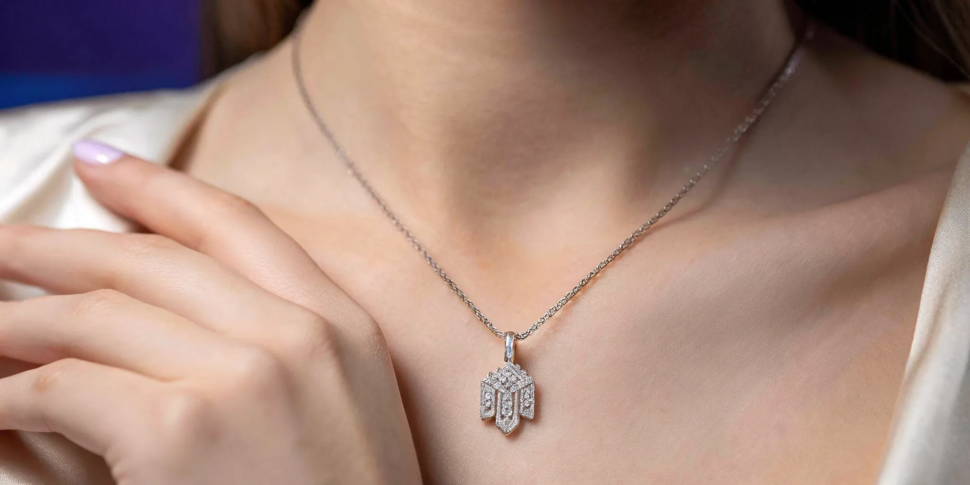
There’s a unique power in jewelry that bridges the ancient and the modern. The Hamsa is a symbol with roots stretching back for centuries, a cultural touchstone representing protection and positivity across the globe. When this historic emblem is reimagined with the clean, brilliant fire of diamonds, it creates a stunning fusion of old and new. A hamsa pendant diamond is more than just a beautiful accessory; it’s a piece of history made relevant for today. It’s a testament to the idea that some symbols are truly timeless. This guide explores that beautiful connection, covering the deep meaning and modern elegance of this special piece.
Key Takeaways
- Find a Style That Resonates: The Hamsa is a personal talisman, so choose a design that reflects both its protective meaning and your unique style. Whether you prefer a classic, diamond-accented look or a sleek, modern outline, the right piece will feel like it was made just for you.
- Understand How Materials Shape Your Piece: Your choice of metal and the quality of the diamonds directly influence the pendant's appearance, durability, and price. Knowing the difference between 14k and 18k gold, or the basics of the 4Cs, helps you select a piece that aligns with your budget and expectations.
- Consider the Practical Details for a Perfect Fit: Beyond the design, think about how you'll wear your Hamsa. Selecting the right pendant size and chain length for your lifestyle ensures it will be a piece you love to wear daily, not just one you admire in a box.
What Does the Hamsa Symbol Mean?
You’ve probably seen the Hamsa symbol before—a stylized open hand, often with an eye in the center of the palm. It’s a beautiful and intriguing design that has found its way into all kinds of modern jewelry, from delicate necklaces to bold statement pendants. But this symbol is more than just a pretty design; it carries a rich history and deep meaning that has resonated with people across cultures for centuries. Understanding its story can make wearing a Hamsa piece even more special.
Its Ancient Roots and Cultural Significance
The Hamsa has a long and fascinating history, with roots stretching back to ancient Mesopotamia. Its name comes from the Arabic word for "five," a nod to the five fingers of the hand. This hand-shaped amulet is especially prominent in Middle Eastern and North African cultures. While it’s often associated with specific faiths, its origins as a protective symbol predate many modern religions. Some scholars even connect its imagery to ancient Egyptian symbols of protection. This timeless appeal is why the Hamsa continues to be a beloved symbol, appearing in the work of many contemporary designers.
A Symbol of Protection and Good Fortune
At its core, the Hamsa is a powerful symbol of protection. Its primary purpose is to ward off the "evil eye"—a malevolent glare believed to cause misfortune or injury. The open palm is thought to deflect this negative energy, keeping the wearer safe from harm. But the Hamsa does more than just protect; it’s also a beacon of good fortune. It’s believed to welcome positive things into your life, including happiness, health, and good luck. In many traditions, it represents strength and power, serving as a personal talisman that empowers the person who wears it.
Clearing Up Common Misconceptions
One of the biggest questions people have is whether the Hamsa is a religious symbol. While it holds significance in Judaism (as the Hand of Miriam) and Islam (as the Hand of Fatima), it’s not exclusive to any single religion. Think of it more as a cultural good luck charm that has been adopted by many faiths and spiritual practices over time. Its universal message of protection and positivity makes it a meaningful symbol for anyone, regardless of their beliefs. It’s a beautiful reminder that we all share a desire for safety, happiness, and a little bit of good luck.
Why Choose a Diamond Hamsa Pendant?
Some pieces of jewelry are more than just beautiful accessories; they’re personal statements that carry deep meaning. A diamond Hamsa pendant is exactly that. It’s a perfect fusion of ancient symbolism and modern elegance, making it a powerful choice for anyone looking to wear something that feels both significant and stylish. This isn't just another necklace—it's a piece that connects you to a rich history of protection and good fortune, all while adding a touch of sophisticated sparkle to your everyday look.
Choosing a diamond Hamsa means you’re selecting a piece with a story. It’s a conversation starter and a personal talisman rolled into one. Whether you’re drawn to its spiritual roots, the timeless beauty of its design, or the brilliant fire of its diamonds, this pendant offers a unique way to express your personal style and values. It’s a wearable piece of art that feels intentional, personal, and completely you.
Where Spiritual Symbolism Meets Everyday Luxury
At its core, the Hamsa is a protective talisman. For centuries, people have worn this ancient symbol, believing it wards off the evil eye and ushers in good fortune, health, and happiness. When you wear a Hamsa pendant, you’re carrying that positive energy with you. Adding diamonds to this powerful symbol transforms it into a piece of everyday luxury. It’s a way to keep that meaningful protection close while still expressing a refined sense of style. This blend of spiritual depth and modern elegance makes the diamond Hamsa a standout piece in any jewelry collection.
The Enduring Allure of Diamonds
Diamonds have always been symbols of strength, purity, and everlasting love, which makes them a perfect partner for the Hamsa. Their resilience and brilliance beautifully complement the hand’s protective qualities. A diamond Hamsa pendant isn’t just about adding sparkle; it’s about amplifying the symbol’s meaning with a stone that represents eternity and clarity. Whether you prefer a design with a single, subtle diamond or one that is fully paved for maximum impact, the addition of these stones makes the piece feel even more special. It becomes a modern heirloom that carries both personal significance and timeless appeal.
How Metal and Stone Enhance the Story
The materials used to craft a Hamsa pendant add another layer to its story. Historically, many Hamsas were made from silver, a metal often associated with purity and magical properties. Today, you have a world of options. Choosing a warm yellow gold can give the pendant a classic, sun-kissed feel, while cool-toned platinum or white gold offers a sleek, modern look. Rose gold provides a romantic, contemporary touch. The metal you choose becomes the frame for your story, enhancing the diamonds and giving the ancient symbol a personal feel that reflects your unique taste. It’s this thoughtful combination of materials that our designers master so beautifully.
Find Your Diamond Hamsa Style
The Hamsa is more than just a symbol; it’s a personal statement. Because it has been embraced by so many cultures for centuries, artists and jewelers have interpreted it in countless ways. This means you can find a diamond Hamsa that feels like it was made just for you, whether your personal style is bold and modern, classic and understated, or deeply spiritual. The beauty of this ancient talisman is its versatility. It can be a delicate charm you wear every day or a show-stopping centerpiece covered in pavé diamonds.
Choosing a Hamsa is about finding a piece that resonates with your story and aesthetic. Think about what you want your jewelry to say. Are you drawn to the intricate details of vintage-inspired pieces, or do you prefer the clean, polished look of contemporary design? Do you want a literal interpretation of the symbol, or something more abstract? Exploring the different styles is part of the fun, and it helps you connect with the piece on a deeper level. From classic pendants with a single, watchful diamond eye to sleek, minimalist outlines, there’s a perfect Hamsa waiting to become part of your collection.
Classic Designs with Diamond Accents
Classic Hamsa pendants often feel like they’ve been passed down through generations. These designs honor the symbol’s rich history with intricate metalwork, detailed engravings, and a timeless feel. A popular feature in these traditional styles is a single diamond set in the center of the palm, representing a protective, all-seeing eye. Sometimes, designers use colored diamonds—like blue, black, or champagne—to add a unique touch to this central stone. These pieces are perfect if you’re drawn to jewelry with a sense of history and soul, connecting you to the ancient roots of the symbol. Many of our Vintage & Estate pieces capture this enduring charm.
Modern and Minimalist Pendants
If your style leans more contemporary, a modern Hamsa is a perfect fit. These designs strip the symbol down to its essential form, focusing on clean lines, sleek surfaces, and geometric shapes. Instead of ornate details, you might find a simple, polished gold outline of the hand, or a solid pendant completely covered in sparkling pavé diamonds for a high-impact look. Minimalist pendants are incredibly versatile, making them ideal for everyday wear and layering with other necklaces. They offer a subtle nod to the symbol's meaning while fitting seamlessly into a modern wardrobe. This style proves that powerful symbolism doesn't always have to be intricate; sometimes, simplicity makes the biggest statement.
Variations Featuring the Evil Eye
The Hamsa and the Evil Eye are deeply connected symbols. The Hamsa hand is traditionally believed to protect the wearer from the malevolent gaze of the Evil Eye. Many jewelers take this connection a step further by incorporating the Evil Eye motif directly into the Hamsa’s design. You’ll often see a stylized eye, typically crafted with blue, white, and black stones, placed in the center of the palm. This creates a doubly powerful talisman, combining two ancient symbols of protection into one beautiful piece. It’s a popular choice for those who feel a strong connection to the spiritual meaning behind the jewelry and want a clear and beautiful symbol of safeguarding.
Making It Your Own with Custom Designs
When you want a piece that is uniquely yours, a custom-designed Hamsa is the ultimate expression of personal style. Working with a jeweler allows you to bring your vision to life, from the ground up. You can choose the exact metal, select the quality and placement of every diamond, and even influence the shape and details of the hand itself. Perhaps you want to incorporate a birthstone, add a personal engraving on the back, or create a design that blends classic and modern elements. Creating a custom piece is a collaborative and meaningful process. If you have a specific vision in mind, you can book an appointment with us to explore the possibilities.
A Guide to Metals and Diamond Quality
Choosing the materials for your hamsa pendant is where you can truly make the piece your own. The metal you select sets the tone—from the warm glow of yellow gold to the cool elegance of platinum—while the quality of the diamonds determines its sparkle and brilliance. Think of this as building the foundation of a piece you’ll treasure for years. It’s not just about looks; it’s about finding the right combination of durability, beauty, and personal meaning. Whether you’re drawn to the classic appeal of gold or the rich history of silver, understanding your options will help you select a pendant that feels right. And when it comes to diamonds, a little knowledge goes a long way in helping you appreciate the artistry and find a stone that shines as brightly as you do. Let’s walk through the key things to consider.
Choosing Your Gold: 10k, 14k, or 18k?
Gold is a classic choice for a reason, but it’s not one-size-fits-all. The "k" stands for karat, which measures the purity of the gold. Pure gold (24k) is too soft for most jewelry, so it's mixed with other metals (alloys) for strength. 18k gold has the highest gold content, giving it a rich, deep color, but it's also the softest of the three. 10k gold is the most durable, making it great for everyday wear. 14k gold strikes a perfect balance between durability and a beautiful golden hue, which is why it’s the most popular option for fine jewelry. You can find pendants made with 10k, 14k, or 18k gold in yellow, white, or rose colors, so you can easily match your personal style.
The Case for Platinum and Silver
While gold is a go-to, don't overlook the unique charms of platinum and silver. Platinum is a premium choice known for its incredible durability and naturally white sheen that won’t fade or change color. It’s also hypoallergenic, making it a great option for sensitive skin. Silver, on the other hand, has a deep historical connection to the hamsa symbol. Hamsas were often made from silver, which was thought to represent purity. It offers a bright, beautiful luster at a more accessible price point. Many of our Vintage & Estate pieces showcase the timeless appeal of these beautiful white metals.
Understanding Diamond Quality: The 4Cs
When selecting a diamond hamsa, understanding the 4Cs will help you make a confident choice. Here’s a quick breakdown:
- Cut: This isn’t about the shape, but how well the diamond’s facets interact with light. A great cut equals brilliant sparkle.
- Color: This grades the diamond’s lack of color. The less color, the rarer and more valuable it is.
- Clarity: This measures the absence of inclusions (internal flaws) and blemishes (external flaws).
- Carat: This refers to the diamond's weight, which determines its size.
The diamonds in these pendants are hand-set by a master diamond setter in the highest quality craftsmanship, ensuring that every piece, regardless of its specs, is a work of art. Our bridal collection is a great place to see how these factors come together to create stunning pieces.
Natural vs. Lab-Created Diamonds
Today, you have more choices than ever when it comes to your diamonds. Natural diamonds are formed deep within the Earth over billions of years, making them a finite and rare treasure. Lab-created diamonds are grown in a controlled environment using advanced technology. They have the same physical and chemical properties as natural diamonds but offer a different value proposition, often appealing to those with specific budget or ethical considerations. The choice is entirely personal. And remember, you aren't limited to diamonds! Some pendants also have other gems like sapphires or blue diamonds, allowing you to work with our designers to create a truly unique piece.
What Affects the Price of a Diamond Hamsa?
When you start looking at diamond Hamsa pendants, you’ll notice a wide range of prices. This isn't random; several key factors come together to determine the final cost of each unique piece. Understanding what goes into the price tag helps you appreciate the value of the jewelry you’re investing in. From the sparkle of the diamonds to the hands that crafted it, every detail plays a part. Let’s break down the four main elements that influence the price of a diamond Hamsa.
How Diamond Size and Quality Influence Cost
It’s no surprise that the diamonds themselves are a major factor in the cost. The total carat weight—which is the measure of a diamond's size—plays a big role. A pendant with a delicate 0.07 carats will have a very different price point than one with a dazzling 1.70 carats. But size isn't everything. The quality of the diamonds is just as important. We look at clarity, which tells you how free the diamond is from imperfections. A piece with very clear, high-quality diamonds (like those rated VS or VVS) will be more valuable than one with lower-clarity stones. So, a combination of bigger and better-quality diamonds will naturally increase the price.
The Role of Your Chosen Metal
The metal that forms the setting for your Hamsa is the foundation of the piece, and its value directly impacts the overall cost. Most Hamsa pendants are crafted from gold, and you’ll often see options like 10k, 14k, or 18k. The "k" stands for karat, which measures the purity of the gold. 18k gold has a higher gold content than 14k, making it more valuable and often richer in color. You can also choose between yellow, white, or rose gold to match your personal style. While the color choice doesn't typically change the price much, the karat weight certainly does. Platinum is another beautiful option—it's rarer and denser than gold, making it a more premium and durable choice.
The Value of Artistry and Design
Beyond the raw materials, the level of craftsmanship is what brings a piece of jewelry to life. A simple, mass-produced pendant will cost less than one that has been meticulously handcrafted by a skilled artisan. Details like how the diamonds are set can make a huge difference. A master setter who places each diamond by hand ensures maximum security and sparkle, and that expertise adds to the value of the piece. The complexity of the design itself also matters. An intricate, openwork Hamsa with delicate details requires more time and skill to create than a simple, solid shape. Even the chain it hangs on contributes to the final price, with longer or more elaborate chains adding to the cost.
Why Designer Pieces Stand Apart
When you choose a piece from a specific designer, you're investing in more than just gold and diamonds; you're buying a piece of art. Designer jewelry carries a unique point of view and a reputation for quality. These pieces are often made in smaller batches or are one-of-a-kind, which adds to their exclusivity and value. At Element 79, we love working with designers who pour their heart and soul into their work, creating Hamsa pendants that are truly special. The designer's name represents a promise of exceptional craftsmanship, a distinct aesthetic, and a story you won't find anywhere else. This originality and artistry are a significant part of what you're paying for.
How to Choose the Perfect Hamsa Pendant for You
Finding the right Hamsa pendant is a personal journey. It’s about more than just picking a beautiful piece of jewelry; it’s about choosing a symbol that resonates with you and your story. Since this pendant is meant to be a personal talisman, you want it to feel like a true extension of your style. When you’re ready to find your perfect match, think about a few key elements: the size of the pendant, the length of the chain, the type of metal, and what the symbol means to you.
Considering these details will help you select a Hamsa that you’ll not only love to wear but will also connect with on a deeper level. Whether you’re drawn to a delicate, diamond-dusted charm for daily wear or a bold statement piece, the perfect Hamsa is one that feels uniquely yours. Let’s walk through how to find it.
Find the Right Pendant Size for Your Style
The size of your Hamsa pendant sets the tone for how you’ll wear it. Are you looking for a subtle, everyday piece that offers a quiet sense of protection, or do you want something more noticeable that makes a statement? A smaller pendant is perfect for a delicate look and layers beautifully with other necklaces. It can serve as a personal, intimate reminder of the symbol’s meaning. A larger Hamsa, on the other hand, stands out on its own and can be a powerful focal point for your outfit, showcasing intricate details and brilliant diamonds. Think about your daily wardrobe and how a new piece of jewelry will fit into it.
Pick the Perfect Chain Length
The chain length you choose completely changes how your Hamsa pendant sits and feels. A 16-inch chain typically rests just above the collarbone, creating a choker-like effect that’s great for open necklines. An 18-inch chain is the most popular choice, as it usually falls right at the collarbone. For a longer look, a 20- or 24-inch chain allows the pendant to sit lower on the chest, which works well over a sweater or a high-necked top. A great way to find your ideal length is to measure a necklace you already own and love. This will give you a clear idea of where your new Hamsa will fall.
Match the Metal to Your Skin Tone
While there are no hard-and-fast rules, certain metals can beautifully complement your skin’s natural undertones. Traditionally, yellow and rose gold are thought to flatter warmer skin tones, bringing out golden or peachy hues. White gold and platinum often enhance cooler skin tones with pink or blue undertones. But the most important factor is what you love. Don’t be afraid to mix metals or simply choose the color that you’re most drawn to. Your personal preference will always be the best guide, ensuring you pick a piece you’ll be excited to wear every day.
Wearing the Hamsa with Respect
The Hamsa is a powerful symbol with a rich history, primarily known for protecting the wearer from the ‘evil eye’ and bringing good fortune. While it has deep roots in various cultures, it’s widely seen as a good luck charm rather than a strictly religious icon. The most important thing is to wear it with intention and an appreciation for its meaning. Whether you see it as a shield of protection, a symbol of luck, or a beautiful piece of art from one of our talented designers, wearing your Hamsa with a sense of personal connection is what truly gives it power.
Where to Find Your Diamond Hamsa
Once you’ve decided on the style, metal, and diamond quality for your Hamsa pendant, the next step is finding the perfect piece. The search can be just as meaningful as the symbol itself, whether you fall in love with a designer’s creation or decide to make something completely new. Where you choose to look will shape your experience, so it’s worth exploring a few different avenues to find a pendant that truly speaks to you. From the curated collections of specialty jewelers to the endless options online, here’s how to find the diamond Hamsa that’s meant for you.
The Benefits of a Specialty Jeweler
For a piece as personal as a Hamsa, visiting a specialty jeweler is an incredible experience. Unlike big-box stores, specialty shops offer a curated selection from unique and talented designers, ensuring the piece you choose has a story and a soul. You get to see the craftsmanship up close and feel the quality of the materials in your hand. The best part is the personalized guidance. An expert can help you understand the nuances between different styles, explain the quality of the diamonds, and find a piece that fits your budget and your personal aesthetic. It’s a relaxed, inspiring way to find a pendant you’ll treasure for years.
Tips for Shopping Online
If you prefer to shop from home, the internet offers a world of options. The key to a great online experience is knowing what to look for. Start by browsing reputable jewelers who provide high-resolution photos from multiple angles and detailed product descriptions. Always check the store’s return policy and read customer reviews to get a sense of their quality and service. Pay close attention to the details—is the chain included, or will you need to purchase one separately? A well-organized jewelry collection with clear information makes it easy to compare pieces and feel confident in your choice before you add it to your cart.
Creating a One-of-a-Kind Custom Piece
If you have a specific vision in mind or simply want a Hamsa that is uniquely yours, consider a custom design. This collaborative process allows you to create a truly one-of-a-kind piece from scratch. You can work directly with a jeweler to select the exact metal, choose the diamonds, and perfect every detail of the design, from the size of the pendant to the style of the bail. It’s an opportunity to infuse the piece with your own story and personality, resulting in a modern heirloom that reflects exactly what the Hamsa means to you. To get started, you can book an appointment with a custom design specialist to explore the possibilities.
Caring for Your Diamond Hamsa Pendant
Your diamond hamsa pendant is more than just a beautiful accessory; it’s a meaningful piece you’ll want to cherish for a lifetime. Like any piece of fine jewelry, a little bit of care goes a long way in keeping its sparkle and significance alive. Taking a few simple steps will ensure your pendant remains as brilliant as the day you got it. Think of it as a small ritual that honors the beauty and story of your special piece. Proper care protects the delicate metalwork, keeps the diamonds dazzling, and ensures the setting remains secure, so you can wear it with confidence every day.
Simple Steps for Daily Cleaning
To keep your diamond hamsa looking its best, you don’t need any harsh chemicals or complicated tools. A gentle at-home cleaning is perfect for removing the daily buildup of oils, lotions, and dust. Simply mix a few drops of mild dish soap into a bowl of warm water. Let your pendant soak for a few minutes, then use a soft-bristled toothbrush—a baby toothbrush works wonders—to gently scrub away any grime. Pay special attention to the areas around the diamonds and any intricate details. Once you’re done, rinse it under clean water and pat it dry with a soft, lint-free cloth.
How to Store Your Pendant Safely
How you store your pendant is just as important as how you clean it. Diamonds are incredibly hard, which means they can easily scratch other softer gemstones and metals. To prevent tangles and scratches, it’s best to store your hamsa separately from your other jewelry. A soft fabric pouch or a dedicated compartment in a jewelry box is an ideal home for your pendant when you’re not wearing it. This simple habit protects the chain from knotting and keeps the pendant’s finish pristine, ensuring it’s always ready for you to wear.
When to See a Professional Jeweler
While at-home cleaning is great for regular upkeep, it’s a good idea to have your diamond hamsa professionally checked once a year. A jeweler can give it a thorough, deep cleaning and inspect the prongs to make sure your diamonds are secure. If you notice a stone feels loose, or if your pendant has been exposed to harsh chemicals, it’s definitely time for a visit. Regular professional check-ups are the best way to catch any potential issues early and maintain the integrity of your piece for years to come. You can always book an appointment with us for an expert cleaning and inspection.
Related Articles
- How to Find the Perfect Guardian Angel Pendant
- The Essential Guide to Men's Fine Jewelry
- Unique Hoop Earrings: The Ultimate Style Guide
Frequently Asked Questions
Is it okay for me to wear a Hamsa even if I'm not religious or from the Middle East? Absolutely. While the Hamsa has deep roots in specific cultures and faiths, its core message of protection and good fortune is universal. The most important thing is to wear it with respect and a genuine appreciation for its history. Think of it as a personal good luck charm that you connect with, rather than a strictly religious symbol. Your personal intention is what gives the piece its meaning.
Does it matter if the Hamsa hand points up or down? Yes, the orientation can carry a slightly different meaning, and it’s a wonderful detail to consider when choosing your piece. When the hand points up, it is traditionally seen as a powerful shield against negative energy and a symbol of protection. When it points down, it’s often interpreted as a gesture of welcoming abundance, blessings, and good things into your life. There is no right or wrong way; simply choose the direction that feels most aligned with you.
What’s the difference between the Hamsa and the Evil Eye symbol? It’s easy to see why these two are so often linked. Think of them as a protective team. The "Evil Eye" refers to a malevolent glare that is believed to cause harm or misfortune. The Hamsa hand is the powerful talisman that wards off that negative energy. This is why you’ll often find an Evil Eye symbol placed in the center of the Hamsa’s palm—it combines the potential threat with its powerful protector in one beautiful piece.
Can I wear my diamond Hamsa pendant every day? Most diamond Hamsa pendants are crafted to be worn daily, especially those made from durable metals like 14k gold or platinum. These materials are strong enough to handle your everyday life. However, it’s always wise to be mindful of your activities. We recommend taking your pendant off before swimming, working out, or doing any heavy cleaning to protect the metal and the diamond settings from harsh chemicals or accidental damage.
How do I pick a style that won't feel dated in a few years? The best way to choose a timeless piece is to focus on classic elements and your own authentic style, rather than chasing a fast-moving trend. A simple, minimalist outline of the hand or a traditional design with a single diamond in the center will always feel elegant. Choosing a high-quality metal also ensures the piece will endure. Ultimately, if you select a design that genuinely speaks to you and feels like a true reflection of your personality, you will love wearing it for years to come.
Recent articles
View all
Brooke's Holiday Favorites - 2025
Holly's Holiday Favorites - 2025