

Gold Wedding Bands: The Ultimate Buyer's Guide
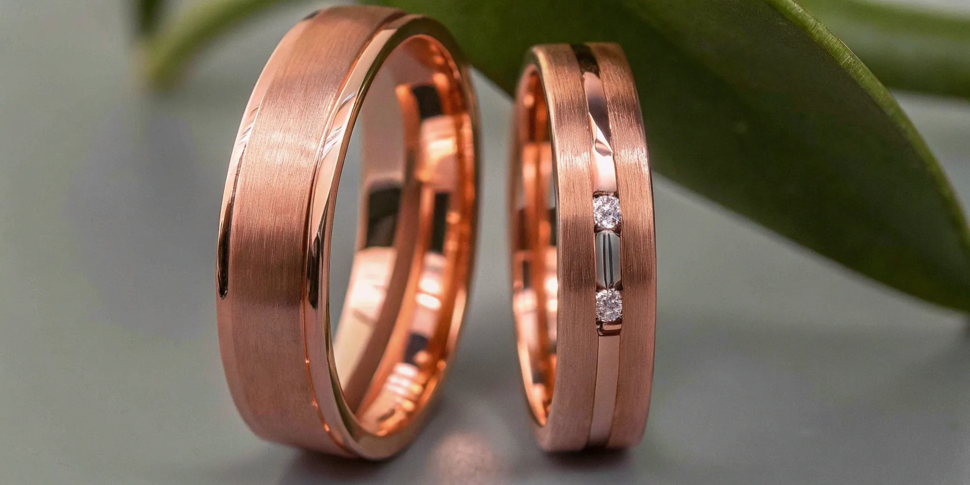
Your wedding band should be as unique as your love story. It’s a piece that will be with you every day, a constant reminder of your commitment. That’s why we believe it should have character and soul. Beyond the basics of color and karat, the true beauty of a ring often lies in its craftsmanship and the story it tells. This guide is for those who are looking for more than just a simple band; it’s for those who appreciate artistry and want a piece that feels special and intentional. We’ll explore how to identify quality, what makes a designer piece stand out, and how you can even customize a ring to make it uniquely yours. Let’s find the perfect gold wedding bands that not only symbolize your union but also reflect your personal style.
Key Takeaways
- Choose a Color and Style That’s Truly You: Don't get caught up in trends. The best choice—whether it's warm yellow, modern white, or romantic rose gold—is the one that complements your skin tone and matches your personal style. Try on different options to see what you genuinely love.
- Select the Right Karat for Your Lifestyle: Remember that higher purity doesn't mean stronger. While 18K gold has a richer color, 14K gold is more durable and resistant to scratches, making it a practical and popular choice for a ring you'll wear every single day.
- Factor in the Practical Details from the Start: Beyond aesthetics, focus on comfort, cost, and care. Determine your budget, find a band width that feels comfortable for daily wear, and plan for simple at-home cleaning and yearly professional check-ups to keep your ring looking its best.
Yellow, White, or Rose Gold: Which Hue is for You?
Choosing the color of your wedding band is one of the most exciting parts of the process. It’s all about your personal style and what makes you feel amazing. The three most popular choices are yellow, white, and rose gold, and each has its own unique character. There’s no wrong answer here—just the one that feels right for you.
Yellow Gold
Yellow gold is the traditional choice, offering a warm, rich glow that’s instantly recognizable. It’s pure gold alloyed with metals like silver and copper to give it strength. If you love a deep, buttery color, 18K yellow gold has a more saturated hue because of its higher gold content, but keep in mind it’s also a bit softer than 14K. Yellow gold looks beautiful on all skin tones, especially warmer ones, and has a classic feel that never goes out of style.
White Gold
For a crisp, modern look, white gold is a fantastic option. It gets its silvery-white shine from being alloyed with white metals like palladium and nickel. Most white gold jewelry is also plated with rhodium, a bright, hard metal that gives it an extra layer of shine and durability. This plating can wear off over time, so you might need to have it re-plated every few years to maintain its brilliant white finish. It’s a small bit of upkeep for a sleek, contemporary look that makes diamonds and other gemstones pop.
Rose Gold
Rose gold has a romantic, coppery hue that feels both vintage and modern at the same time. Its signature blush color comes from a higher percentage of copper in the metal alloy. This also makes it quite durable. Many people find that 14K rose gold offers the perfect balance, as it has a more pronounced rosy color and is stronger than its 18K counterpart. It’s a unique choice that complements a wide range of skin tones and pairs beautifully with other metal colors. The best way to decide is to see how each color looks on your own hand, so feel free to explore different bridal styles and find the hue that speaks to you.
How Do You Pick the Right Karat for Your Wedding Band?
When you start looking at gold wedding bands, you'll see numbers like 14K or 18K. That "K" stands for karat, which is simply a measure of gold's purity. Pure gold (24K) is actually very soft, so it's mixed with other metals, called alloys, to make it strong enough for everyday wear. The karat number tells you how much pure gold is in the mix.
Choosing the right karat is a personal decision that balances beauty, durability, and budget. There’s no single "best" option—only what's best for you and your lifestyle. Let's look at the key differences between the most popular choices.
14K vs. 18K Gold: A Quick Comparison of Durability, Price, and Purity
The main difference between 14K and 18K gold comes down to the ratio of pure gold to other metal alloys. 18K gold is 75% pure gold, while 14K gold is 58.3% pure gold. Because it contains more alloys, 14K gold is generally stronger and more resistant to scratches, making it a fantastic, practical choice for a wedding band you’ll wear daily.
While 18K yellow gold has a richer, more saturated color, 14K is often a better pick for white or rose gold because it shows the color more clearly and is more durable. 18K white gold often needs a rhodium plating to get that bright white look, which can wear off over time. And since it has less pure gold, 14K is also a more affordable option. You can explore a stunning variety of styles in our bridal collection.
Gold Alloys and Allergies: What You Need to Know
Worried about skin sensitivity? Here’s some good news: gold itself is hypoallergenic. Allergic reactions are almost always caused by the metal alloys mixed with the gold, most commonly nickel. Nickel can sometimes be found in white gold alloys to give it that silvery hue. If you know you have sensitive skin, it’s a great idea to ask about nickel-free options.
Sometimes, a rash under your ring isn't an allergy at all. If a ring is too tight, it can trap moisture, soap, and lotion, leading to irritation. A proper fit and regular cleaning can often solve the problem. If you have any concerns about materials or fit, we're here to help. You can always book an appointment to talk with one of our jewelers and find the perfect, most comfortable option for you.
How Do You Find the Perfect Gold Wedding Band Style?
Your wedding band is more than just a piece of jewelry; it’s a daily symbol of your partnership and a reflection of your personal style. Since you’ll be wearing it every day, it needs to feel right for you. The perfect style is a blend of aesthetics and comfort—a design you love that also fits seamlessly into your life. Whether you’re drawn to something timeless and understated or a bold, contemporary piece that makes a statement, the goal is to find a ring that feels like a natural extension of yourself. This isn't about following a trend; it's about discovering a piece that resonates with your story and your taste.
Think about your current jewelry collection and your overall wardrobe. Are you a minimalist, or do you gravitate toward more intricate details? Do you want your wedding band to sit flush against your engagement ring, or are you looking for a contrasting piece that stands on its own? Answering these questions can help you narrow down the options and focus your search. From the width and thickness to the finish and design details, every element contributes to the final look and feel of the ring on your hand. Let’s explore how to find a style that you’ll be excited to wear for years to come.
Finding Your Vibe: Classic vs. Contemporary Designs
Choosing a wedding band style is all about trusting your instincts. While trends come and go, a ring that truly reflects your personality will always feel current. For some, a classic, simple gold band is the epitome of timeless elegance. For others, a more modern design feels like a better fit. Contemporary styles often play with texture, shape, and detail, from twisted bands and mixed metals to unique silhouettes like curved or oval bands.
Don’t be afraid to explore options with a little extra character. Many of the most soulful pieces feature subtle diamond accents or handcrafted details that set them apart. Exploring the work of different artists can open your eyes to styles you may not have considered. Take a look at the unique pieces from our designers to see a range of creative interpretations, from the beautifully simple to the intricately detailed.
Getting the Fit Right: A Guide to Width, Thickness, and Comfort
Comfort is non-negotiable for a ring you’ll wear every day. The width and thickness of the band are the two biggest factors that determine how it feels on your finger. Women’s bands typically range from 2mm to 5mm wide, especially when paired with an engagement ring, to avoid overwhelming the finger. Men’s bands are generally wider, from 5mm to 8mm, to create a balanced look.
Thickness affects both comfort and durability. A band that’s around 1.6mm to 1.8mm thick offers a great balance, while anything 2mm or thicker provides extra strength. The best way to figure out what works for you is to try on different styles. You might be surprised by what feels most comfortable. To get a feel for various widths and profiles, you can book an appointment with us to explore the options in person.
How Much Do Gold Wedding Bands Cost?
Let’s talk numbers. One of the first questions on just about everyone’s mind is, “How much should I expect to spend on a gold wedding band?” The honest answer is that the price can vary quite a bit, which is actually great news. It means there’s a beautiful option for nearly every budget. You can find stunning, simple bands starting in the low hundreds, while more intricate, designer pieces can run into the thousands. Generally, you can expect a price range from around $230 to over $2,100. This wide spectrum ensures you don't have to compromise on style or quality.
So, what creates this price difference? It’s a combination of a few key factors, including the purity of the gold (the karat), the ring’s overall weight and width, and the level of craftsmanship involved. A delicate, classic 14K gold band will naturally have a different price point than a wide, handcrafted 18K gold ring from a sought-after artist. Understanding what goes into the cost is the first step to finding a wedding band that you’ll not only love for a lifetime but that also feels right for your wallet. It’s all about finding that sweet spot between your dream ring and your budget.
What Determines the Price of a Gold Band?
Several key elements influence the final price tag of a gold wedding band. First is the gold’s purity, or karat. An 18K gold ring contains more pure gold (75%) than a 14K gold ring (58.3%), making it more expensive. The trade-off is that 14K gold is often more durable for everyday wear. The ring’s weight also plays a major role—a wider, thicker band requires more gold, increasing its cost. Finally, craftsmanship is a huge factor. A simple, machine-milled band will be more affordable than a unique, hand-finished piece from one of our incredible designers. That extra touch of artistry is what makes a ring truly special.
Smart Shopping Tips for Any Budget
Finding a ring you adore within your budget is completely achievable with a little planning. Start by setting a realistic price range you’re comfortable with. This helps narrow your focus and makes the selection process less overwhelming. Next, prioritize what’s most important to you. Is it the rich color of 18K gold, a specific width, or a particular style? Knowing your must-haves will guide your search. And remember, comfort is non-negotiable for a ring you’ll wear daily. The best way to ensure a perfect fit is to book an appointment to get professionally sized and try on different options. Feeling the rings on your hand is the only way to know what’s truly right for you.
How Can You Customize a Gold Wedding Band?
Your wedding band is more than just a piece of jewelry; it’s a daily reminder of your love and commitment. So, why not make it as unique as your relationship? Customizing your gold wedding band allows you to infuse your personal story and style into a piece you’ll wear forever. It’s about creating something that feels completely, authentically you.
Whether you’re dreaming of a subtle, hidden message or a completely original design, there are so many ways to personalize your ring. You can add a secret engraving, incorporate meaningful gemstones, or even work directly with a jeweler to bring a one-of-a-kind vision to life. These personal touches transform a beautiful ring into a meaningful heirloom. At Element 79, we believe your jewelry should have soul, and customization is one of the best ways to ensure it does. Let’s explore a few popular ways you can make your gold wedding band your own.
Add a Personal Touch with Engraving
Engraving is a classic and heartfelt way to personalize your wedding band. It’s a small detail, often hidden on the inner surface of the ring, that serves as a private message between you and your partner. Think of it as your little secret. You can engrave your wedding date, your initials, a line from a favorite poem, or a simple phrase that holds special meaning for you both. This simple addition makes your ring feel incredibly personal without altering its outward appearance. It’s a timeless choice that adds a layer of intimacy to the symbol of your union.
Incorporate Gemstones or Family Heirlooms
Adding gemstones is a beautiful way to bring color and character to your gold wedding band. You could choose your partner’s birthstone, a gem in your favorite color, or a diamond to add a touch of sparkle. This is a fantastic way to create a ring that complements your engagement ring or stands out on its own.
Even more meaningful is the option to incorporate a family heirloom. Using a small stone from your grandmother’s ring or your mother’s necklace weaves your family history into your future. It’s a beautiful way to honor your heritage and carry a piece of your loved ones with you. Our Vintage & Estate collection is full of pieces that tell a story, and we love helping you continue that tradition.
Work with a Designer to Create a One-of-a-Kind Piece
If you have a specific vision in mind that you can’t find in a display case, creating a fully custom piece is the perfect path. Working directly with a designer allows you to have a say in every detail, from the width and finish of the band to unique shapes and settings. This collaborative process ensures your ring is a true reflection of your personal style.
Whether you want to design a band that fits perfectly against an unconventional engagement ring or create something totally new, the possibilities are endless. Our talented designers are experts at turning ideas into wearable art. If you’re ready to create a truly one-of-a-kind piece, you can book an appointment with us to start the conversation.
What Should You Look for When Shopping for Gold Bands?
Once you’ve narrowed down the style and karat, it’s time to look at the finer details that separate a good ring from a great one. Shopping for a wedding band is about more than just aesthetics; it’s about investing in a piece that’s well-made and backed by policies that give you peace of mind. Knowing what to look for will help you feel confident in your final choice. Here’s a quick guide to the practical side of ring shopping, from verifying quality to understanding the store’s policies.
How to Spot Quality: Hallmarks, Certifications, and Sourcing
The most immediate indicator of quality is the gold’s purity, measured in karats (K). This isn't the same as a diamond's carat weight. A karat tells you how much pure gold is in the metal. For example, 24K is 99.9% pure gold, but it’s also very soft and not ideal for daily wear. That’s why other metals, or alloys, are mixed in to create stronger 18K (75% pure gold) and 14K (58.3% pure gold) options. These alloys also create different colors like white and rose gold. We partner with incredible designers who are masters at their craft, ensuring every piece is beautifully and durably made.
The Fine Print: Understanding Policies, Warranties, and Sizing
Before you commit, always ask about the store’s policies on resizing, returns, and warranties. Most gold bands can be resized, but the complexity depends on the design. A simple, unadorned band is usually straightforward to adjust. However, a ring with intricate details or a continuous pattern of gemstones might be more difficult, sometimes requiring a completely new ring to be made. It’s always best to get the sizing right from the start. If you have any questions about fit or long-term care, we’re here to help. You can always book an appointment with us to go over all the details and ensure your ring is perfect for you.
Let's Bust Some Common Gold Wedding Band Myths
When you’re shopping for something as important as a wedding band, you want to have all the facts straight. But with so much information floating around, it’s easy to get tripped up by a few common myths. From ideas about strength and purity to confusion around ethical sourcing, there's a lot to sort through. We believe that making an informed choice is the first step to finding a piece you'll love forever. So, let’s clear the air and bust some of the biggest misconceptions about gold wedding bands. This way, you can feel completely confident in your decision.
Is 24K Gold Really the Strongest? (Spoiler: No)
It seems logical that the purest gold would be the strongest, but in the world of jewelry, the opposite is true. Pure, 24K gold is incredibly soft and malleable. While beautiful, its softness makes it impractical for a ring you’ll wear every day, as it can easily scratch, dent, and bend out of shape. That’s why other metals, called alloys, are mixed with pure gold. This process creates the more durable 14K and 18K gold options that are perfect for crafting timeless bridal jewelry. These alloys not only add strength but also allow for the creation of different colors like white and rose gold.
What Does "Recycled" or "Ethical" Gold Actually Mean?
Feeling good about where your jewelry comes from is important. But terms like "recycled" and "ethical" can be confusing. While recycled gold sounds like a great environmental choice, it often doesn't address the humanitarian issues within the mining industry. A more impactful standard to look for is Fairtrade Gold, which ensures that small-scale miners receive fair pay, work in safe conditions, and use environmentally responsible practices. We make it a priority to work with talented designers who are deeply committed to responsible and ethical sourcing, so you can wear your piece with pride.
The Truth About Maintaining White Gold
Ever wonder how white gold gets its brilliant, silvery-white shine? It’s not magic—it’s rhodium. Most white gold is made from an alloy of yellow gold and white metals like palladium or nickel, which can leave it with a faint yellowish tint. To achieve that crisp, bright white finish, jewelers apply a very thin layer of rhodium plating. Over time, this plating can wear away with daily use, revealing the slightly warmer tone of the metal underneath. This is completely normal! If you notice your ring losing its luster, it just means it’s time for a little TLC. You can easily book an appointment to have it professionally cleaned and re-plated to look brand new.
How Do You Care for Your Gold Wedding Band?
Your wedding band is a daily symbol of your love, and with a little attention, it can stay as bright and beautiful as your commitment. Caring for your gold ring isn't complicated, but it does require a consistent routine and knowing when to call in a professional. By creating a few simple habits, you can protect your investment and ensure your ring looks stunning for decades. Think of it as a small ritual that honors the significance of the piece you wear every day. From a quick clean at home to an annual professional check-up, here’s everything you need to know to maintain your band’s integrity and shine.
Your Daily Care and Cleaning Routine
To keep your gold wedding band gleaming, a simple at-home cleaning routine works wonders. Everyday life means your ring comes into contact with lotions, soaps, and natural skin oils that can dull its shine over time. The best way to clean it is by mixing a few drops of mild dish soap into a bowl of warm water. Let your ring soak for about 20 minutes, then gently scrub it with a soft-bristled baby toothbrush to get into any tiny crevices. Rinse it under warm running water and pat it dry with a soft, lint-free cloth. Try to avoid harsh chemicals like bleach or abrasive cleaners, as they can damage the metal's finish. This simple ritual will keep all your fine jewelry looking brilliant.
When to See a Pro: Tips for Long-Term Care
While your at-home routine is essential, think of a professional jeweler as your ring's trusted specialist. We recommend bringing your band in for a check-up at least once a year. A professional cleaning and polishing can restore its original luster in a way that at-home methods can't. More importantly, a jeweler can inspect the setting for any loose stones or signs of wear and tear before they become bigger problems. This is especially crucial for intricate designs or vintage pieces. If you notice a deep scratch, a bent prong, or your ring just isn't sparkling like it used to, it's time to book an appointment. Regular professional care is the key to ensuring your wedding band lasts a lifetime.
Ready to Find Your Perfect Gold Wedding Band?
You've learned about karats, colors, and styles. Now for the best part: finding the one. Choosing a wedding band is a deeply personal decision, and while knowing the difference between 14K and 18K gold is helpful, the real magic happens when you see how a ring looks and feels on your own hand. A photo can't capture the way a perfectly weighted band settles on your finger or how its finish catches the light. The only way to truly know what you love is to start exploring.
At Element 79, we believe your jewelry should have soul. That's why we've gathered an incredible collection of bridal pieces from some of the most talented contemporary designers. We seek out artists who pour their hearts into their work, resulting in pieces that feel both modern and timeless. Whether you're drawn to a classic, simple band or a unique, textured piece that stands on its own, you'll find something that speaks to you. For a ring with a rich history, you can even explore our Vintage & Estate collection.
Seeing the bands in person lets you appreciate the craftsmanship and find the perfect complement to your engagement ring. If you're feeling overwhelmed by the choices or just want a second opinion, we're here for you. The best next step is to book an appointment with us. We can walk you through our collections in a fun, relaxed setting, answer all your questions, and help you find the ring you'll love for a lifetime.
Related Articles
- The Buyer's Guide to Vintage Gold Wedding Bands - Element 79 Contemporary Jewelry
- Rose Gold Wedding Bands: Benefits, Styles & Tips - Element 79 Contemporary Jewelry
Frequently Asked Questions
Can I mix and match different gold colors for my wedding set? Absolutely! There are no rules when it comes to your personal style. Pairing a yellow gold engagement ring with a rose gold wedding band, for example, can create a beautiful, modern contrast that feels unique to you. Mixing metals is a fantastic way to add dimension and personality to your stack, whether you do it now or add another band for a future anniversary.
Which gold is the most durable for an active lifestyle? If you work with your hands or are generally very active, 14K gold is an excellent choice. Because it has a higher percentage of strong metal alloys mixed in, it’s more resistant to scratches and dings than 18K gold. Rose gold also gets a durability bonus from its copper content, making it a very sturdy option as well.
How often will I really need to re-plate my white gold ring? This really depends on your body chemistry and how you wear your ring. On average, most people find that re-plating their white gold ring every one to three years keeps it looking bright and crisp. You’ll know it’s time when you start to see a slightly warmer, yellowish tone coming through. It’s a simple maintenance step that restores that brilliant white shine.
What's the best way to figure out my style if I'm feeling overwhelmed? It’s completely normal to feel a little lost with so many beautiful options. The best thing you can do is stop looking online and start trying rings on in person. A ring can feel completely different on your hand than it looks in a photo. Seeing how different widths, colors, and finishes look against your skin and next to your engagement ring is the only way to discover what you truly love.
Is one gold color better for sensitive skin than the others? While gold itself is hypoallergenic, some people react to the nickel that can be used in white gold alloys. If you know you have sensitive skin, yellow gold and rose gold are fantastic choices as they are naturally nickel-free. You can still get that silvery look, though—just ask for a white gold alloy that uses palladium instead of nickel.
Recent articles
View all
Brooke's Holiday Favorites - 2025
Holly's Holiday Favorites - 2025