

Estate Jewelry 101: Your Ultimate Buying Guide
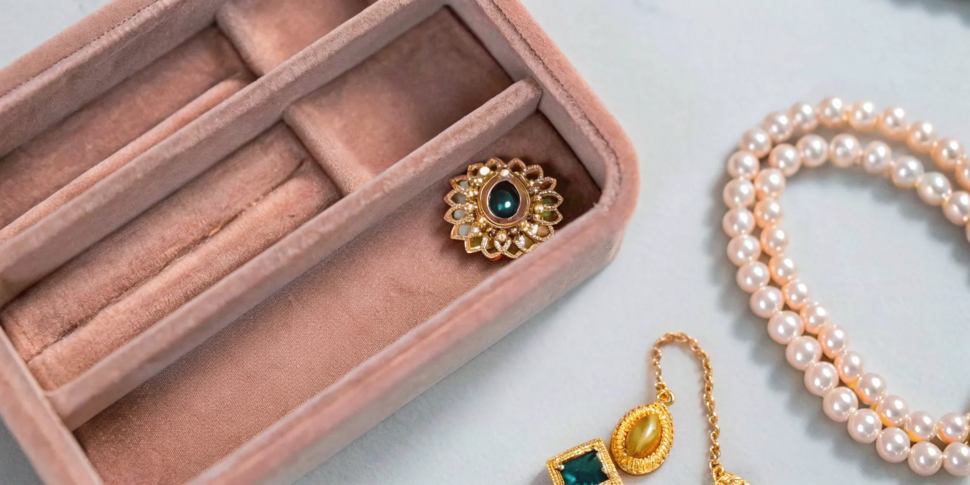
In a world of fast fashion and fleeting trends, finding jewelry that feels truly personal can be a challenge. If you’re tired of seeing the same styles everywhere, estate jewelry is your answer. These one-of-a-kind pieces come from different eras, each with its own distinct design philosophy and a level of craftsmanship you just don’t see today. Choosing a pre-owned piece means you’re acquiring something truly individual. This guide is your starting point for exploring this unique world, from identifying iconic styles to mixing vintage finds with your modern favorites for a look that is all your own.
Key Takeaways
- Embrace Pre-Owned Jewelry for Unique Style: Estate jewelry is simply any piece with a previous owner, offering a sustainable way to find designs you won't see anywhere else. Choosing a vintage or antique item means you're wearing a piece of history with a soul and a story.
- Prioritize Quality and Expert Guidance: When shopping, learn to spot signs of quality like hallmarks, secure settings, and vibrant gemstones. The best way to shop with confidence is to work with a reputable jeweler who can verify a piece's authenticity and history.
- Collect with Passion and Care for Your Pieces: Build a collection based on what you truly love to wear, not just potential investment value. Preserve your treasures for years to come with a simple routine of gentle cleaning, proper storage, and annual professional check-ups.
What Is Estate Jewelry?
If you’ve ever heard the term “estate jewelry,” you might picture dusty chests filled with royal heirlooms. While that’s part of it, the real definition is much simpler. Estate jewelry is any piece that has been owned before. It’s a broad category that includes everything from a diamond ring sold last year to an Art Deco brooch that’s been passed down for a century.
Think of it as pre-loved or pre-owned jewelry. Each piece in our Vintage & Estate collection has a past, a story that started before it found its way to us. This history is what gives these items their unique character and soul. Understanding this simple definition is the first step to appreciating the rich and varied world of previously owned treasures.
Estate vs. Vintage vs. Antique: What's the Difference?
Let's clear up a common point of confusion. While the terms are often used interchangeably, they don’t mean the same thing. “Estate” is the umbrella term for any jewelry that isn’t brand new.
Here’s a simple way to remember the difference:
- Vintage jewelry is generally at least 20 years old. It reflects the styles of a specific, more recent era.
- Antique jewelry is much older, typically 100 years or more. These pieces are true historical artifacts from periods like the Victorian or Edwardian eras.
So, all vintage and antique pieces are considered estate jewelry, but not every estate piece is old enough to be called vintage or antique. It could be a contemporary design from just a few years ago.
The Allure of Pre-Owned Pieces
Why choose a piece that someone else has already worn? For many, the appeal lies in the story. An estate piece is an heirloom in motion, carrying with it a history that adds depth and meaning. A Victorian locket or a mid-century ring connects you to a different time, and you become the next chapter in its journey.
Beyond the romance of its past, pre-owned jewelry often features craftsmanship and designs you just can’t find today. It’s a chance to own something truly unique, a piece of wearable art that sets you apart. Choosing an estate item is also a sustainable choice, giving a beautiful object a new life and continuing its legacy.
Why Choose an Estate Piece?
While there’s nothing like the sparkle of a brand-new piece, estate jewelry holds a unique magic all its own. Choosing a pre-owned ring, necklace, or bracelet is about more than just aesthetics; it’s about embracing a piece with a past. From one-of-a-kind craftsmanship to sustainable style, there are so many reasons to fall in love with jewelry that has a story to tell. If you’re looking for something that feels truly special and deeply personal, an estate piece might be the perfect fit for you.
Discover One-of-a-Kind Designs
Tired of seeing the same styles everywhere? Estate jewelry is your answer. These pieces were crafted in different eras, each with its own distinct design philosophy. You’ll find intricate details, forgotten techniques, and unique gemstone cuts that you just don’t see in most modern jewelry. Choosing an estate piece means you’re acquiring something truly individual, a work of art that reflects your personal style, not a passing trend. It’s a way to ensure the jewelry you wear is as unique as you are, with a level of craftsmanship that has stood the test of time.
Find Value and Lasting Worth
Opting for an estate piece is often a smart financial decision. Because they are pre-owned, you can frequently find higher-quality gemstones and more substantial metalwork for your budget compared to buying new. It’s a fantastic way to acquire a piece with impressive character and quality without the premium price tag of a contemporary designer item. Beyond the monetary value, there’s an inherent worth in an item that has been cherished for generations. Each piece in our Vintage & Estate collection carries its own history, making it more than just an accessory; it’s a meaningful heirloom.
Make a Sustainable Style Statement
Choosing estate jewelry is a beautiful way to make an environmentally conscious choice. When you buy a pre-owned piece, you are participating in the ultimate form of recycling. You’re giving new life to precious metals and gemstones that have already been sourced from the earth, which reduces the demand for new mining and its environmental impact. It’s a simple, elegant way to build a sustainable jewelry collection that you can feel good about wearing. This approach allows you to celebrate history and artistry while making a positive choice for the planet.
Wear a Piece of History
An estate piece is more than just an old item; it’s a tangible connection to the past. Each ring, brooch, or bracelet is a small time capsule, reflecting the style and spirit of the time it was created. Imagine wearing an Art Deco ring from the Roaring Twenties or a romantic Victorian locket. The history, or provenance, adds a rich narrative that makes the jewelry deeply personal. It’s a conversation starter and a way to carry a story with you. At Element 79, we celebrate the stories behind all our designers, and our estate pieces have some of the best stories of all.
How to Judge Quality and Authenticity
When you’re shopping for estate jewelry, you’re not just buying an accessory; you’re acquiring a piece of history. But how can you be sure you're getting a quality item that's worth the investment? Learning to spot the signs of authenticity and fine craftsmanship will make you a much more confident buyer. It’s about training your eye to see the details that tell a story of quality.
Think of it like becoming a detective for beautiful things. You’ll learn to look for hidden clues in the metal, the stones, and the overall construction of a piece. While nothing replaces the trained eye of a professional jeweler, knowing these key indicators will help you appreciate the artistry and value of vintage and estate jewelry. Let’s walk through the essential checks that separate the treasures from the trinkets.
Look for Stamps and Hallmarks
One of the first things to check for is a stamp or hallmark. These tiny inscriptions, usually found on the inside of a ring band or near the clasp of a necklace, are like a secret code that reveals the metal's purity. Look for marks like "14K" or "18K" for gold, "PLAT" for platinum, or "925" for sterling silver. These stamps are a good sign that you’re holding a piece made from precious metal. Don't panic if you don't see one, though. Very old pieces sometimes lack these marks, but their presence is always a reassuring first step in confirming a piece's quality.
Assess the Gemstones
The gemstones are often the star of the show, and their quality can tell you a lot about the piece. Jewelers use a system known as the 4 Cs (color, clarity, cut, and carat weight) to evaluate a stone's rarity and value. You don’t need to be a gemologist, but having a basic understanding helps. Is the color vibrant? Does the stone sparkle brilliantly, suggesting a good cut? Are there visible inclusions? While some imperfections are normal, the overall life and fire of the stone are key indicators of its quality. This is where an expert opinion can be incredibly helpful in understanding a gem's true character.
Check the Condition and Craftsmanship
Take a moment to really look at how the piece was made. High-quality estate jewelry will show a certain finesse in its construction. Examine the subtle details of the workmanship. Are the settings secure? Is the metalwork smooth and detailed? Signs of sloppy repairs, like obvious solder marks, can be a red flag. You should also check for excessive wear, loose stones, or a faulty clasp. A well-crafted piece feels substantial and balanced. The quality of the work is a direct reflection of the care and skill that went into its creation, which is a hallmark of authentic fine jewelry.
Identify Designer Marks and Provenance
Beyond the metal stamp, look for a maker’s mark or a designer’s signature. These marks can link a piece to a specific artist or a renowned jewelry house, which can significantly add to its value and story. This is also where provenance comes into play. Provenance is the documented history of a piece, its chain of ownership. This history provides a tangible link to the past, transforming an item from simply "old" to historically significant. Knowing who made your jewelry or where it came from adds a layer of soul that makes it truly special.
Spot the Red Flags
As you get more comfortable, you’ll start to notice things that just don’t feel right. Trust your instincts. Be wary of prices that seem too good to be true or pieces with mismatched components, like a modern clasp on a Victorian-era necklace. Other red flags include stones that look glassy or unnaturally perfect, which could indicate they are synthetic, or metal that feels unusually lightweight. If you have any doubts, it’s always best to get a second opinion. A trusted jeweler can help you verify a piece’s authenticity, and you can even book an appointment to have an expert take a look.
Find a Dealer You Can Trust
Finding the right piece of estate jewelry is as much about the experience as it is about the item itself. The journey is far more enjoyable and secure when you have a trusted expert by your side. A great jeweler does more than just sell you something; they act as your guide, sharing their knowledge and passion for the history and craftsmanship behind each piece. They won't pressure you into a quick purchase because they understand that these items are more than just their metal weight. They are tangible pieces of history, and finding the right one for you takes time and care.
When you start your search, look for a local jeweler who is genuinely excited to teach you about what you're seeing. They should be able to point out the details you might miss, like subtle signs of wear or the unique characteristics of a hand-cut stone. While you can certainly check for obvious things like dents or missing gems on your own, a jeweler's trained eye is invaluable for spotting the nuances that determine a piece's quality and authenticity. Building a relationship with a dealer you trust ensures you'll not only find beautiful jewelry but also feel confident and happy with your investment for years to come.
A Look at Our Vintage & Estate Collection
Every piece of pre-owned jewelry has a past, and that's what makes it so special. Our Vintage & Estate collection is curated with an eye for soul and story. We believe that wearing a Victorian brooch or an Art Deco ring is a way to carry a piece of history with you. These items connect us to another time and place, giving them a depth and meaning that newly made jewelry can't replicate. Buying an estate piece is also a beautiful way to give new life to something exquisite, bringing timeless trends back into the spotlight. We hand-select every item for its unique character, quality, and enduring style.
What to Look for in a Reputable Retailer
A reputable retailer is your most important asset when buying estate jewelry. Look for a jeweler with a strong, established reputation in their community and a team that includes certified gemologists, such as those certified by the GIA. This expertise guarantees that every item has been thoroughly inspected for quality and authenticity. A great dealer will also offer a diverse selection of fine jewelry, from rings and bracelets to necklaces and earrings, showing they have a deep understanding of different eras and styles. Most importantly, they should be transparent, patient, and happy to answer all your questions, ensuring you feel completely comfortable with your choice.
Key Questions to Ask Before You Buy
To make an informed decision, you need to ask the right questions. Don't hesitate to get curious and dig into the details of a piece that catches your eye. A knowledgeable jeweler will be happy to share what they know. Start by asking about the item's history and provenance, which is its documented ownership story. This can transform a piece from simply "old" to historically significant. Inquire about the materials, like the type of metal and the specifics of the gemstones. Finally, ask if the piece has been appraised or comes with any certification. You can always book an appointment to discuss a piece in person and get the answers you need.
Explore Popular Estate Jewelry Styles
One of the best parts of shopping for estate jewelry is discovering the distinct personality of different design eras. Each period has its own story, reflected in the shapes, stones, and metals used. Getting to know these styles will help you zero in on the pieces that truly speak to you and your personal aesthetic. Let's look at a few of the most iconic eras you'll encounter in our Vintage & Estate collection.
Art Deco's Geometric Glamour
Straight out of the Roaring Twenties, Art Deco jewelry (roughly 1920-1935) is all about confidence and glamour. This style broke away from the soft curves of the past, embracing bold, symmetrical, and geometric designs. Think sharp lines, repeating patterns, and striking color combinations, like sapphires or emeralds set against bright diamonds in platinum. These pieces feel incredibly modern and architectural, capturing the exuberant energy of the Jazz Age. An Art Deco ring or bracelet is a statement of pure, unapologetic style that feels just as fresh today as it did a century ago.
The Romance of Victorian Pieces
The Victorian era (1837-1901) was a time of great sentimentality, and the jewelry reflects that perfectly. Pieces from this period are often deeply symbolic, filled with romance, and rich with meaning. Early Victorian jewelry features delicate, nature-inspired motifs like flowers and snakes (a symbol of eternal love). As the era progressed, designs became bolder and more ornate. You’ll find a lot of yellow gold, intricate metalwork, and gemstones chosen for their symbolism. Wearing a Victorian piece is like wearing a secret story, a beautiful relic from a time when jewelry was a personal and heartfelt expression.
Bold Mid-Century Modern Designs
Jumping forward to the 1950s and 60s, Mid-Century Modern jewelry offers a completely different vibe. This style is sculptural, artistic, and wonderfully unconventional. Designers moved away from traditional, symmetrical forms to create abstract and organic shapes that feel like miniature works of art. You’ll see a lot of textured yellow gold, creative use of enamel, and less common gemstones. These pieces are perfect for anyone who appreciates unique, handcrafted design and wants their jewelry to reflect a strong, individualistic point of view. It’s wearable art with a cool, retro-futuristic feel.
What's Trending Now
The current mood in fashion is all about making a statement, with expressive, maximalist pieces taking center stage. This is where estate jewelry truly shines. Why buy a modern reproduction when you can have an original, one-of-a-kind piece with its own history? A bold Art Deco cocktail ring or a sculptural Mid-Century necklace fits perfectly with today’s trends. Don’t be afraid to mix and match eras or pair a vintage find with your favorite modern pieces from our designers. It’s the best way to create a look that is layered, interesting, and completely your own.
Determine an Item's Value
Figuring out the value of an estate piece can feel like a mystery, but it really comes down to a few key factors. Once you know what to look for, you can confidently assess a piece's worth and decide if it’s the right fit for you. It’s less about finding a hidden treasure (though that’s always fun!) and more about understanding what makes a piece special and durable.
Understand What Drives the Price
The price of any piece of jewelry is determined by its materials, craftsmanship, and rarity. For gemstones, jewelers rely on the 4 Cs: color, clarity, cut, and carat weight. These elements provide a universal standard for judging a stone’s quality. The metal matters, too; platinum is rarer and more durable than gold, which affects the price. Beyond the raw materials, consider the overall condition. A well-preserved piece with intricate details and secure settings shows a high level of craftsmanship, which always adds to its value. Our Vintage & Estate collection is carefully curated with these factors in mind.
Know Which Designers to Collect
Just like in the art world, a designer’s signature can significantly influence a piece’s value. Jewelry from iconic houses like Cartier or Tiffany & Co. often carries a premium because of its history and brand recognition. However, you don’t have to stick to the big names. Part of the joy of collecting estate jewelry is discovering unique designs from lesser-known but incredibly talented artisans. These pieces often showcase superior craftsmanship and a distinct point of view you won’t find in modern, mass-produced items. Getting familiar with the key designers from different eras will help you spot truly special finds.
Spotting Investment Potential
It’s a common myth that all fine jewelry appreciates over time. While some rare pieces do increase in value, it’s best not to think of jewelry as a traditional investment. Market trends shift, and what’s valuable today might not be tomorrow. Instead, the smartest approach is to buy something you absolutely love and will enjoy wearing for years to come. Think of it as an investment in your personal style and happiness. The real value is in the story the piece tells and the joy it brings you every time you wear it. If you want to discuss a piece's long-term potential, you can always book an appointment with an expert.
Common Myths About Estate Jewelry
When you start exploring the world of pre-owned jewelry, you’ll likely come across a few persistent myths. It’s easy to get swept up in romantic notions or cautionary tales, but the reality of buying estate pieces is much more straightforward. Let’s clear up some of the biggest misconceptions so you can shop with confidence and find a piece you truly love. From superstitions about bad luck to assumptions about value, separating fact from fiction is the first step to building a beautiful collection.
The truth is, vintage and estate jewelry offers a unique opportunity to own something with a rich history and timeless appeal. By understanding what really matters, like craftsmanship and condition, you can appreciate these pieces for what they are: beautiful relics of the past ready for a new chapter.
Myth #1: "Unlucky" or Cursed Jewelry
Let’s get this one out of the way first. There’s a common superstition that jewelry from a previous owner can carry negative energy or bad luck. While it makes for a good movie plot, it’s simply not true. The term "estate" just means the item was previously owned; it doesn’t come with any spiritual baggage. As jewelry expert Jackie Abraham notes, "It's a very common misconception that estate jewelry is 'unlucky'."
Instead of worrying about bad vibes, think of the incredible stories your piece could tell. Who wore it before? What celebrations did it witness? A piece of estate jewelry connects you to a long line of history, and you get to add your own story to its legacy.
Myth #2: Every Piece Is a Goldmine
It’s fun to imagine finding a dusty old ring at a flea market and discovering it’s worth a fortune, but that’s rarely the case. A popular myth is that all estate jewelry is a guaranteed financial investment that will appreciate over time. While some pieces certainly hold or increase their value, many don't. Value is determined by a complex mix of factors, including the quality of the materials, the rarity of the design, the condition, and the reputation of the original designer.
As one industry expert points out, there's a common misunderstanding about appraisal value versus market value. The best reason to buy an estate piece is because you adore it, not because you think it’s a winning lottery ticket.
Myth #3: Older Always Means More Expensive
Many people assume that the older a piece of jewelry is, the more valuable it must be. While a rare, high-quality antique from a celebrated era can be quite expensive, age alone doesn’t guarantee a high price tag. In fact, as the experts at Solvang Antiques explain, "not all antique jewelry is expensive." A Victorian-era ring in poor condition or made with common materials might be less valuable than a well-preserved designer piece from the 1980s.
Market trends, condition, and craftsmanship play a much bigger role in determining price. This is actually great news for buyers, because it means you can find stunning, genuinely old jewelry that is still affordable and accessible.
How to Care for Your Estate Jewelry
Once you bring an estate piece home, you become the next chapter in its story. Taking care of your jewelry is about more than just keeping it pretty; it’s about preserving its history and ensuring it can be passed down for generations to come. Proper care protects the delicate materials and intricate craftsmanship that make your piece so special. A little bit of attention goes a long way in maintaining its beauty and structural integrity. Think of it as a simple routine that honors the legacy you now hold. With the right approach to cleaning, storage, and professional maintenance, your treasured find will continue to shine for years.
Clean Your Pieces Safely
Regular, gentle cleaning is the best way to keep your estate jewelry looking its best. Over time, everyday things like lotions, oils, and dust can build up, dulling the sparkle of gemstones and metals. This buildup can even weaken settings if left unchecked. For most pieces, a simple at-home bath will do the trick. Just use a bowl of warm water with a few drops of mild dish soap and a very soft toothbrush to gently scrub away any grime. Be especially careful around delicate settings and fragile stones. When you’re done, rinse the piece in clean water and pat it dry with a soft, lint-free cloth. This simple ritual helps maintain the life of all your favorite vintage and estate treasures.
Store Your Jewelry Properly
How you store your jewelry is just as important as how you clean it. Tossing everything into one drawer is a recipe for scratches, tangled chains, and damaged stones. The best way to keep your pieces safe is in a fabric-lined jewelry box with separate compartments for rings, earrings, and necklaces. This prevents items from rubbing against each other. It’s also smart to store your jewelry in a cool, dry place away from direct sunlight and humidity, which can cause some metals to tarnish and may harm certain gemstones. By giving each piece its own space, you protect the fine details and finish that make your jewelry unique.
Know When to Call a Professional
While at-home care is essential, some things are best left to the experts. We recommend bringing your estate jewelry in for a professional check-up at least once a year, especially for pieces you wear often. A jeweler can do much more than just a deep clean. We can inspect the prongs to make sure your gemstones are secure, check the integrity of the clasps, and look for any signs of wear and tear that you might not notice. Think of it as a wellness visit for your jewelry. Catching a loose stone or a worn-out clasp early can prevent a heartbreaking loss. If you feel like your piece needs a little expert attention, you can always book an appointment with us for a professional cleaning and inspection.
Avoid These Common Buying Mistakes
Buying estate jewelry is an exciting experience, but it's easy to get swept up in the moment. To make sure you find a piece you'll cherish for years, it helps to be aware of a few common pitfalls. A little bit of knowledge can make all the difference between a good find and a great one. Keeping these points in mind will help you shop with confidence and choose a treasure that’s truly right for you, ensuring your new piece brings you joy every time you wear it.
Don't Skip Professional Authentication
The story behind an estate piece is part of its magic, but you want to be sure that story is authentic. Professional authentication is invaluable because it offers expert insights and gives you confidence about the true worth of your treasures. An expert can verify the materials, confirm the era, and identify any designer marks. When you shop from a trusted source, this work has already been done for you. A reputable jeweler carefully vets every piece, so you can focus on finding the one that speaks to you, knowing its quality and history are confirmed. Our Vintage & Estate collection is carefully curated with this principle in mind.
Don't Overlook Condition Issues
Part of the charm of estate jewelry is its history, and a life well-lived often leaves a few gentle marks. However, it's important to distinguish between a beautiful patina and actual damage. When you're considering a piece, take a moment to check for dents, deep scratches, or missing stones. While minor wear can be expected, significant issues could affect the piece's stability and value. Don't be afraid to ask about its condition or if any repairs have been made. The best way to assess a piece is to see it in person, so you can feel its weight and examine the details up close. You can always book an appointment to view our collection.
Don't Rush the Decision
It’s easy to get caught up in the thrill of the hunt, but the best estate jewelry purchases are the ones made with the heart. While some pieces can be a great investment, the real value is in finding something you will "actively wear and love forever." This isn't just another transaction; it's about finding a piece of wearable art that reflects your personal style. If you feel pressured or uncertain, it’s okay to walk away and think about it. The right piece will still feel right tomorrow. Take your time, try things on, and wait for that spark of connection. True jewelry with soul is always worth the wait.
How to Build Your Own Collection
Starting an estate jewelry collection is a deeply personal and rewarding experience. It’s not about acquiring the most expensive items; it’s about curating pieces that tell a story and reflect your unique taste. Think of it as a treasure hunt where each find adds a new chapter to your personal style narrative. Whether you’re drawn to a specific era, a particular designer, or simply pieces that catch your eye, building a collection is a journey of discovery. The key is to start with what you love and let your collection grow organically from there.
Find Your First Piece
The best way to begin is by choosing a piece that truly speaks to you. Estate jewelry offers unique designs and incredible craftsmanship, so your first piece should feel special. Don’t worry about trends or investment value just yet. Instead, consider your personal style and the stories that resonate with you. Are you drawn to the bold geometry of Art Deco or the delicate details of the Victorian era? Each piece in our Vintage & Estate collection carries its own history, waiting for you to continue its story. Let your intuition guide you to that perfect first piece that you’ll be excited to wear and cherish.
Mix Estate Finds with Modern Styles
One of the best things about estate jewelry is how beautifully it pairs with contemporary designs. Mixing these historical pieces with your modern favorites creates a look that is entirely your own. When you choose a vintage piece, you’re embracing something with a past, an heirloom in motion. Try stacking a vintage wedding band with your modern engagement ring or pinning an antique brooch to the lapel of a sharp blazer. This blend of old and new honors both the past and the future, resulting in a personalized style that feels both timeless and fresh. Explore our designer jewelry to find modern pieces that complement your estate finds.
Develop Your Collecting Strategy
Once you have a few pieces you love, you might notice a pattern emerging. This is the perfect time to think about a collecting strategy. Having a focus helps you build a cohesive collection and makes your search more intentional. You could decide to collect pieces from a specific designer whose work you admire, focus on a particular period like Mid-Century Modern, or gather a certain type of item, such as charm bracelets or signet rings. Defining your collecting goals helps you make smarter purchases and build a collection that truly reflects your passion and personality. It turns casual shopping into a purposeful and exciting hunt.
Related Articles
- Where to Buy Estate Jewelry: 5 Trusted Sources
- The Ultimate Guide to Designer Jewelry Online
- The Essential Guide to Men's Fine Jewelry
Frequently Asked Questions
Is "estate jewelry" just a fancy term for used jewelry? That's a great question. While the technical definition of estate jewelry is simply any piece that has been owned before, in the world of fine jewelry it means so much more. Think of it as "curated pre-owned" rather than just "used." We select pieces for our collection based on their exceptional craftsmanship, unique design, and lasting quality. These aren't just any secondhand items; they are timeless treasures that were made to last.
I love the idea of a unique ring, but is an estate engagement ring durable enough for everyday wear? Absolutely. One of the most wonderful things about estate jewelry is that it has already proven its durability. These pieces were crafted with a level of quality meant to withstand the test of time, and they've already done so beautifully. A reputable jeweler always inspects each ring to ensure the settings are secure and the structure is sound, so you can feel confident that your ring is ready for its next chapter with you.
How can I be sure a vintage piece won't look dated or out of place with my modern clothes? Mixing vintage and modern styles is the best way to create a look that is completely your own. The key is to treat your estate piece as a unique statement. An intricate Victorian locket looks incredible with a simple t-shirt and jeans, and a bold Art Deco ring can be the perfect finishing touch to a contemporary outfit. Don't worry about matching everything perfectly; instead, let the historical piece stand out and tell its story.
What happens if I find the perfect estate ring but it's not my size? Finding a ring you love that isn't your size is a very common situation, and it's usually an easy fix. Most rings made from gold or platinum can be professionally resized by a skilled jeweler. Before you purchase, it's always a good idea to ask if the specific ring you're interested in can be adjusted. Some designs, like bands with stones all the way around, can be tricky, so it's best to confirm first.
Should I expect paperwork or a certificate when I buy an estate piece? This really depends on the specific item. High-value pieces, especially those with significant diamonds or other precious gemstones, will often come with a formal appraisal or a gemological report from an institution like the GIA. For other beautiful but less monumental items, this type of documentation isn't standard. In these cases, the most important assurance of quality and authenticity comes from the reputation and expertise of the jeweler you're buying from.
Recent articles
View all
Brooke's Holiday Favorites - 2025
Holly's Holiday Favorites - 2025