

Engagement Ring Budget Calculator: Find Your Number
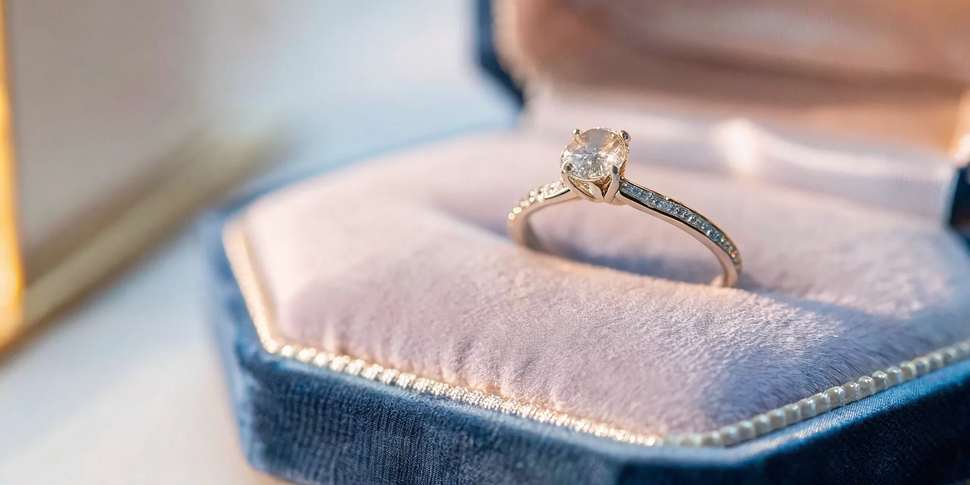
It’s easy enough to find an engagement ring budget calculator online, and they can be a great place to start. But a number is just a number. It doesn’t tell you about the soul of a piece, the story behind a designer, or how to find a ring that truly reflects your relationship. The real work begins after you have that initial figure. This guide is about what comes next: turning that number into a thoughtful plan. We’ll show you how to use your budget as a guide to make smart, heartfelt choices that honor both your finances and your love story.
Key Takeaways
- Build a Budget Based on Your Reality, Not Old Rules: Forget the outdated "two months' salary" myth. A truly comfortable budget is a personal number based on your unique income, savings, and shared financial goals.
- Plan Beyond the Price Tag: The final cost of a ring includes more than what you see in the case. A smart budget accounts for essentials like sales tax, insurance, and potential resizing to ensure there are no surprises.
- Make Your Budget Work Harder with Smart Choices: You can get a stunning ring without overspending. Consider high-value options like lab-grown diamonds, one-of-a-kind vintage pieces, or an impactful setting to get the look you love.
What Is an Engagement Ring Budget Calculator?
An engagement ring budget calculator is a modern tool designed to help you figure out a comfortable and realistic spending plan for one of life’s most exciting purchases. Instead of relying on outdated advice or guessing what you should spend, these calculators use your real financial picture to suggest a budget that actually makes sense for your life. The goal is to help you make a smart, informed decision that feels good to you and your partner, setting you up for a beautiful future without adding financial stress. It removes the guesswork and replaces it with a plan that’s tailored specifically to you.
Think of it as the first step in a thoughtful process. It’s not about finding a magic number, but about gaining clarity and confidence before you start exploring your options. This process should be joyful, not stressful, and having a budget you feel solid about is key to that. Once you have a general price range in mind, you can have fun browsing our bridal collection with a clear focus or book an appointment with us to see how we can bring your vision to life. A calculator simply gives you a personalized starting point for this incredibly personal journey, ensuring the ring you choose is a symbol of your love, not a source of worry.
How They Work
Most engagement ring budget calculators are pretty straightforward. They operate by asking you to enter a few key pieces of financial information to get a snapshot of your current situation. You’ll typically input details like your annual income, how much you’ve already saved for the ring, and how many months you have until you plan to propose. Based on your answers, the tool generates a personalized budget range. It’s not a hard-and-fast rule, but it is a solid, data-driven starting point for your search. It's also wise to remember that some expenses, like sales tax and ring insurance, might not be included in the initial calculation, so it's good to keep those in mind as you plan.
What They Consider
A good budget calculator will look at several factors to give you a complete picture of what you can comfortably afford. It moves beyond just your salary to consider your overall financial health. You’ll usually be prompted to provide your yearly income (and your partner's, if you're budgeting together), how much you can realistically set aside each month, and any money you already have saved for this specific purchase. These details help the calculator understand your cash flow and savings potential. Remember, the total cost of a ring is split between the center stone and the setting. Knowing your budget helps you decide where you want to allocate your funds, whether it's on a brilliant diamond or a unique setting from one of our incredible designers.
Why Old-School Budgeting Rules Don't Work
Shopping for an engagement ring should be one of the most joyful experiences of your life. But it’s easy for that excitement to get bogged down by outdated expectations and rigid "rules" about how much you’re supposed to spend. You’ve probably heard them before—strict formulas based on your salary that feel more like a test than helpful advice. The truth is, these guidelines are relics from a different era and have very little to do with building a healthy financial future with your partner. They create unnecessary pressure and can make you feel like you’re starting your engagement with a financial compromise.
Instead of trying to fit your life into a one-size-fits-all box, your budget should be a personal reflection of your priorities, goals, and financial reality. It’s about finding a number that feels comfortable and allows you to celebrate your love without adding unnecessary stress. This isn't about spending less; it's about spending smarter and in a way that aligns with the life you're building together. Forget the old-school pressure. The only rule that matters is choosing a ring that you and your partner will adore, with a price tag that lets you breathe easy. Let’s break down why those traditional rules just don’t work anymore and how you can approach this decision with confidence.
The Myth of the "Two Months' Salary" Rule
Let’s clear the air on the most famous—and most misleading—budgeting guideline out there. The idea that you should spend two or three months of your salary on an engagement ring is an old marketing trick from a diamond company. It was a brilliant advertising campaign created in the 1940s to sell more diamonds, not a piece of sound financial advice. It doesn't account for modern financial realities like student loans, mortgages, or personal savings goals. In an age where couples are paying for their own weddings and saving for a down payment on a house, clinging to this "rule" is impractical and ignores what truly matters. It’s time to leave this myth in the past where it belongs.
Why Your Personal Finances Come First
Your budget should be personal, period. It’s a number that needs to work for your unique money situation, not one dictated by a marketing slogan. Before you even think about a specific ring, take an honest look at your income, savings, and any existing debt. What are your shared future goals? Are you saving for a down payment, planning a big wedding, or paying off loans? The right budget honors those goals instead of competing with them. It’s also smart to account for potential hidden costs like sales tax, ring insurance, and future maintenance. A thoughtful, personalized approach ensures your ring is a symbol of your future, not a financial burden.
How to Set Your Engagement Ring Budget
Setting a budget for an engagement ring is one of the first major financial decisions you might make as a couple. It’s a deeply personal process that has nothing to do with old-fashioned rules and everything to do with your unique financial situation and future goals. Instead of getting caught up in myths, the best approach is to have an honest conversation and look at the complete picture. A realistic budget feels comfortable and exciting, not stressful. By focusing on a few key areas—your income, existing financial commitments, and timeline—you can arrive at a number that honors both your love story and your financial well-being. Let’s walk through how to build a budget that works for you.
Your Income and Expenses
Forget the "two months' salary" myth. That rule is an outdated marketing tactic, not sound financial advice. A smarter starting point is your actual cash flow. Look at your combined monthly income and subtract your essential expenses like rent, utilities, and groceries. What’s left over is your discretionary income, which is where your ring savings will come from. Consider any money you’ve already set aside and how long you plan to save. This approach grounds your budget in reality, ensuring you can choose a beautiful engagement ring without financial strain. It’s about what you can comfortably afford.
Your Debt and Savings Goals
An engagement ring is a symbol of your future together, and that future should be financially secure. Before you set a final budget, consider your other financial goals and obligations. Do you have high-interest credit card debt or student loans? It’s often wise to prioritize paying down high-interest debt before making a large purchase. Also, think about your other savings goals. Are you saving for a down payment on a house or building an emergency fund? The ring is just one piece of your financial puzzle. Setting a budget that allows you to continue making progress on these other important goals will set your partnership up for success.
Your Purchase Timeline
Your timeline for getting engaged and married plays a big role in your ring budget. The cost of the wedding can definitely impact how much you’re willing to spend on the ring, as does the timeline between the engagement and the ceremony itself. If you’re planning a large wedding in the near future, you might decide to allocate more of your savings toward the event and choose a more modest ring. On the other hand, if you’re planning a long engagement or a smaller ceremony, you may feel comfortable dedicating more to the ring. Your savings timeline matters, too, so be realistic about how long it will take to reach your goal.
Factoring in Hidden Costs
One of the most common budgeting errors is not accounting for the extra costs beyond the sticker price of the ring. These can add up quickly, so it’s important to plan for them from the start. First, remember to factor in sales tax, which can be a significant amount depending on where you live. Next, you’ll want to get the ring insured. Jewelry insurance protects your investment against loss, theft, or damage and is an absolute must. You might also need to budget for resizing to ensure a perfect fit. Finally, think about long-term maintenance, like professional cleanings, to keep the ring sparkling and secure for years to come.
What to Look for in a Budget Calculator
Not all budget calculators are created equal. A truly useful tool does more than just spit out a number based on your salary; it helps you understand the complete financial picture of buying an engagement ring. Think of it as a starting point for a conversation with yourself (and maybe your partner) about what feels comfortable and responsible. The best calculators act as a guide, giving you the clarity you need to shop with confidence instead of anxiety.
When you start exploring different tools, look for one that feels comprehensive and thoughtful. It should prompt you to think about factors beyond just the price tag of the ring itself. A great calculator will consider your unique financial situation, your savings timeline, and even the little details that can add up later. The goal isn't just to find a number, but to create a realistic plan that honors both your relationship and your financial well-being. Ultimately, this process should leave you feeling empowered, not stressed. A calculator is just one step before you can book an appointment to see what your budget can truly get you in person.
Income and Savings Inputs
The first thing any good calculator will ask for is your financial foundation: your income and your savings. Be prepared to enter your combined annual income if you're planning this purchase with your partner. You’ll also want to input any savings you’ve already earmarked for the ring. This gives you a clear, honest baseline. Some of the better tools will also ask about your timeline—are you planning to save for three months or a year? This helps frame the budget not just around what you have now, but what you can realistically set aside over time without pressure.
Debt and Timeline Features
An engagement ring purchase doesn't happen in a financial bubble. A smart calculator will have features that account for your other financial responsibilities, like student loans, car payments, or credit card debt. It should also consider the other big expense on the horizon: the wedding itself. How much you plan to spend on the celebration can definitely influence your ring budget. The timeline between your engagement and the wedding is also key. A longer engagement gives you more time to save, potentially allowing for a more significant purchase without straining your finances.
Helpful Budget Guidance
One of the most valuable features of a high-quality budget calculator is its ability to account for the "hidden" costs. The price you see on the tag isn't always the final number. A helpful tool will remind you to factor in expenses like sales tax, ring insurance (which is a must!), and potential resizing fees. It’s also wise to plan for long-term maintenance to keep the ring sparkling. Being aware of these additional costs from the start prevents surprises and ensures your budget is truly comprehensive, something our bridal experts always discuss with clients.
Ring Customization Options
Finally, look for a calculator that allows for some level of personalization. While it can’t design the ring for you, a well-designed tool can show you how different choices impact the overall cost. For example, it might help you see how opting for a different precious metal or exploring unique gemstones can stretch your budget. This feature helps you make informed decisions that align your financial plan with your partner’s style. It’s a great way to understand your options before you start exploring specific vintage pieces or designer collections.
Finding the Right Budgeting Help (Beyond the Calculator)
An online calculator is a great starting point, but it can’t capture the nuances of your personal story or financial situation. It gives you a number, but it doesn’t give you a plan. That’s where real, human guidance comes in. Finding the perfect ring is an incredibly personal experience, and figuring out the budget should be, too. Think of a calculator as the tool that gets you in the ballpark, but a conversation with an expert is what helps you find your seat.
Getting personalized advice helps you connect the dots between your budget and the ring you’ve been dreaming of. It’s about understanding the trade-offs, exploring creative options, and feeling confident in your final decision. Instead of just focusing on a single number, the right support helps you see the full picture. This includes everything from understanding the long-term value of a piece to accounting for those little costs that often get overlooked. It’s about making an informed choice that feels right for you, your partner, and your future together.
Our Personalized Consultation Approach
The best next step after crunching the numbers is to talk to a real person. A one-on-one consultation gives you a chance to discuss your ideas, ask specific questions, and get advice tailored to your unique situation. We believe the process should be fun and relaxed, which is why we invite you to book an appointment with us, either in our studio or through a video call. It’s a no-pressure conversation where we can explore different designers, styles, and stones that align with your budget and vision. This is your chance to get expert guidance without the guesswork.
The Value of Educational Resources
An empowered buyer is a smart buyer. The more you know, the more effectively you can use your budget. One of the most common mistakes is forgetting to account for hidden costs like taxes, insurance, resizing, and future maintenance. These expenses can easily push you over your intended budget if you’re not prepared. We want you to feel fully informed, which is why we love sharing our knowledge about everything from the unique stories of our featured designers to the characteristics of different gemstones. Understanding these details helps you make choices that reflect what’s most important to you.
What Makes a Budgeting Tool Genuinely Useful
So, what separates a helpful calculator from a generic one? A genuinely useful tool is a guide, not a dictator. It should generate a suggested budget based on real-world experience, while making it clear that the final number isn't set in stone. The goal isn't just to give you a number, but to give you context for what that number means. A great tool helps you understand how your budget translates into different options within a bridal collection, empowering you to make decisions based on your priorities, whether that’s stone size, metal type, or a specific designer’s work.
How Much Should You Realistically Spend?
Once you’ve explored budgeting tools and resources, it’s time to land on a number that feels right for you. The key word here is realistically. This isn't about finding a magic formula or meeting an outdated expectation. It's about making a thoughtful financial decision that honors your relationship and your future together. The perfect budget is one that lets you buy a beautiful ring without starting your marriage with financial stress. Let’s break down how to find that comfortable, realistic number.
Modern, Income-Based Guidelines
First things first: let's officially retire the "two or three months' salary" rule. This idea didn't come from a financial expert; it was a brilliant marketing campaign from decades ago. Your budget should have nothing to do with old-school rules and everything to do with your actual life. A more modern approach is to base your budget on your personal financial situation. Instead of a fixed rule, a healthy budget is one that aligns with your income, savings, and long-term goals. This is a personal decision, and the right amount is simply what you can comfortably afford without compromising your financial well-being.
Protecting Your Financial Future
Think of it this way: the most important gift you can give your partner is a secure future together. Starting your marriage on solid financial footing is a powerful foundation for your life ahead. While some stores offer financing, it's wise to be cautious. Many of these plans come with "deferred interest," which means if you don't pay the full amount by the deadline, you could be hit with a huge amount of interest charges from the original purchase date. We believe in transparency, which is why we encourage you to book an appointment with us. We can walk you through our stunning collections and help you find a piece you love that fits your real-life budget, no pressure attached.
Debunking Common Pricing Myths
A common mistake is thinking the price tag on the ring is the final cost. It’s important to account for the extras that can add up, like sales tax, insurance, and future maintenance or resizing. These costs can easily push you over your initial budget if you don't plan for them. There is no single scientific amount you're "supposed" to spend. The goal is to find a price point that feels good to you. By considering all the potential costs upfront, you can shop with confidence for a beautiful engagement ring that truly works for your finances.
Stretch Your Budget with These Smart Alternatives
Once you have a budget in mind, the fun part begins: finding a ring that feels perfect without causing financial stress. The great news is that you don’t have to sacrifice style or quality to stick to your number. Being smart about your choices can help you get a truly stunning ring that you and your partner will love for a lifetime. It’s all about knowing where you can get the most impact for your investment.
Think of your budget not as a limitation, but as a creative guideline. It encourages you to explore options you might not have considered otherwise, leading you to a piece that’s even more unique and personal. From brilliant lab-grown diamonds that offer incredible value to one-of-a-kind vintage treasures, there are so many ways to make your money work for you. You can also use the ring’s setting to create a show-stopping look. Let’s explore a few of my favorite strategies for finding a gorgeous ring within your budget.
Consider Lab-Grown Diamonds and Gemstones
If you’re looking for a way to get a larger or higher-quality stone for your money, lab-grown diamonds are a fantastic choice. They are chemically and visually identical to natural diamonds—the only difference is their origin. Because they can cost 30-40% less, you can maximize your budget without compromising on that classic diamond sparkle. This savvy choice allows you to focus on the cut and clarity you want. Alternatively, choosing a colorful gemstone like a sapphire or emerald can create a beautifully personal and often more affordable bridal look.
Explore Vintage and Estate Pieces
There’s something incredibly romantic about a ring with a history. Our collection of vintage and estate jewelry offers one-of-a-kind pieces that you simply won’t find anywhere else. These rings often feature craftsmanship and design details from a bygone era, giving them a unique soul and character. Beyond their distinctive charm, vintage rings can also be a wonderful value. You can discover a truly special piece with intricate details that stands apart from modern designs, all while being gentle on your budget. It’s the perfect way to find a ring that tells a story.
Choose a Setting with Major Impact
The setting does so much more than just hold the center stone—it defines the ring's entire personality. A clever setting can make a center diamond appear larger and more brilliant. For example, a "halo" setting, which encircles the main stone with smaller diamonds, adds incredible sparkle and creates the illusion of a much larger diamond. By choosing an impactful setting from one of our talented designers, you can achieve a breathtaking look while dedicating more of your budget to the overall design rather than just the center stone’s carat weight.
How to Use Your Budget as a Guide
Once you have a number in mind, your budget becomes your most powerful tool. Think of it less as a set of rules and more as a roadmap to help you find the perfect ring without adding financial stress to this exciting time. A clear budget empowers you to focus on what truly matters—the design, the craftsmanship, and the story behind the piece—instead of getting overwhelmed by price tags. It helps you and your partner get on the same page, ensuring the ring you choose is a symbol of your shared future, not a source of anxiety.
Using your budget as a guide is about making intentional choices. It allows you to confidently explore our collections, from stunning contemporary designers to one-of-a-kind vintage treasures, knowing exactly what you’re looking for. By breaking down the process into a few manageable steps, you can make a smart, heartfelt decision that you’ll both love for years to come. It’s about finding a ring with soul that also aligns with your life.
Talk About Expectations with Your Partner
Let’s be real: talking about money can feel like the opposite of romantic. But when it comes to an engagement ring, having a conversation about finances is one of the most responsible and loving things you can do. This isn't about spoiling the surprise of the proposal; it's about starting your journey with honesty and teamwork. A quick chat about financial expectations ensures you’re both comfortable with this significant purchase. It shows you respect each other as partners who are building a life together. If you’re not sure how to begin, you can always book an appointment to browse together in a relaxed, no-pressure environment.
Prioritize What Matters Most in a Ring
A budget helps you focus on the elements of a ring that will bring you the most joy. For many, a diamond's sparkle is everything, and that comes from its cut, not necessarily its flawlessness. You can often find a beautiful diamond by prioritizing the cut and choosing a stone with a near-colorless grade (like H color) and slight inclusions (like VS2 clarity) that aren't visible to the naked eye. This strategy gives you that brilliant look without the premium price. Remember to also account for hidden costs like taxes, insurance, and potential resizing. Being aware of these details from the start helps you stay on track and find a stunning bridal piece that fits your vision perfectly.
Create a Smart Shopping Timeline
Your timeline is just as important as your budget. Start by looking at your income, what you already have saved, and how much you can realistically set aside each month. This simple calculation will tell you how long it will take to reach your goal. There’s no need to rush this process. Giving yourself time to save removes the pressure and allows you to make a more thoughtful decision. The timeline between your engagement and wedding can also influence your ring budget. A longer engagement might give you more room to save for the ring you truly want, or you might decide to invest more in the wedding itself.
Common Budgeting Mistakes to Avoid
Setting a budget is a huge step, but sticking to it requires avoiding a few common pitfalls. It’s easy to get swept up in the excitement, but a little awareness can help you make a choice that feels just as good for your finances as it does for your relationship. From outdated rules to hidden costs, here are the key mistakes to watch out for as you plan your purchase.
Misusing Budgeting Tools
Online calculators are a fantastic starting point, but they often don’t tell the whole story. One of the most common errors is forgetting to account for the costs that come after you’ve chosen the ring. Things like sales tax, insurance to protect your investment, potential resizing fees, and long-term maintenance can add a surprising amount to your final total. Think of your initial budget as the number for the ring itself, and then be sure to set aside a little extra for these essentials. A truly thoughtful budget accounts for the total cost of ownership, not just the price tag you see in the case.
Ignoring Sales Pressure and Myths
Let’s clear this up right now: the "two months' salary" rule is a myth. It was a marketing suggestion from decades ago, not a financial guideline. The right amount to spend is what works for your unique financial situation and goals. Don’t let outdated expectations or pushy sales tactics make you feel like you need to spend more than you’re comfortable with. The perfect ring is one that symbolizes your love and fits beautifully into your life—including your budget. Your journey should be about finding a piece with soul, not about hitting an arbitrary spending target set by someone else.
Overlooking Financing Details
An engagement ring is a significant purchase, but it’s often just the first of many big expenses you’ll share as a couple. It’s important to think about your ring budget in the context of your other financial goals, especially an upcoming wedding. The cost of the ceremony and the timeline between your engagement and the big day can definitely influence what you’re willing to spend on the ring. By looking at the bigger picture, you can make a decision that sets you up for a strong financial future together, free from unnecessary stress. Our bridal collection is here when you're ready for that next step.
Related Articles
- How Much to Spend on an Engagement Ring: A Smart Guide
- Vail Custom Engagement Rings: A Buyer's Guide
- 10 Best Places to Buy an Engagement Ring in Denver
Frequently Asked Questions
Is it okay to spend less than the 'two months' salary' rule suggests? Absolutely. That old rule is nothing more than a clever marketing slogan from the past, not a piece of sound financial advice. The right amount to spend is whatever feels comfortable for your unique financial situation. A budget that allows you to buy a ring you love without causing stress or derailing your other life goals is the perfect budget. It’s about starting your future together on solid ground, not about hitting an arbitrary number.
How do I talk to my partner about the ring budget without ruining the surprise? This is a great question because it shows you’re thinking like a true partner. You don't need to discuss the exact ring design to get on the same page financially. You can have a broader conversation about your shared financial goals for the next few years, which naturally includes large purchases. This ensures you’re aligned on what feels responsible for both of you, keeping the proposal a surprise while making the financial decision a team effort.
What's more important to prioritize: the diamond size or the ring's overall design? This really comes down to personal preference, but a smart strategy is to focus on the elements that create the most visual impact. A diamond's sparkle comes from its cut, so prioritizing a well-cut stone over a flawless one can give you a more brilliant look for your money. You can also use the setting to your advantage. A halo setting, for example, can make a center stone appear much larger, allowing you to invest in a beautiful overall design from a unique artist.
Are there any major costs I might be forgetting besides the ring itself? Yes, and it's smart to plan for them from the start. The most common oversight is sales tax, which can add a significant amount to the final price. You should also immediately factor in the cost of ring insurance to protect your investment against loss, theft, or damage. Finally, it’s wise to set aside a small amount for potential resizing to get the perfect fit and for future maintenance like professional cleanings.
If I have a smaller budget, can I still find a beautiful, high-quality ring? Of course. A thoughtful budget doesn't limit you; it just encourages you to be more creative. You can find incredible value and style by exploring options like lab-grown diamonds, which are visually and chemically identical to natural diamonds but cost significantly less. You could also discover a one-of-a-kind vintage piece with unique character or choose a stunning setting that creates a major impact, proving that a beautiful ring is about thoughtful design, not just a price tag.
Recent articles
View all
Brooke's Holiday Favorites - 2025
Holly's Holiday Favorites - 2025