

Diamond Fluorescence: Good, Bad, or Misunderstood?
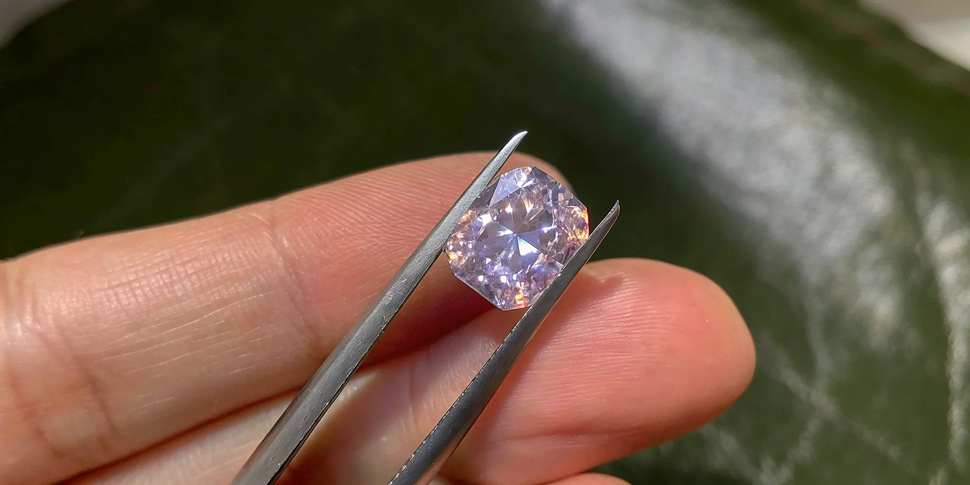
Choosing a diamond often feels like a balancing act between quality and budget. But what if there was a little-known characteristic that could help you get a more beautiful stone for your money? That’s where diamond fluorescence comes in. This natural glow, visible only under UV light, can cause a diamond’s price to drop by as much as 15%. This leads to the big question: is fluorescence in diamonds good or bad for your investment? While the market often views it with skepticism, this trait can actually be a huge advantage for a savvy buyer, sometimes even making a diamond look better. Let’s explore how this market quirk works.
Key Takeaways
- Think of fluorescence as a unique personality trait, not a flaw: It's a natural glow that appears under UV light and is completely invisible in most situations, having no impact on the diamond's quality or durability.
- Use fluorescence as a savvy shopping strategy: In diamonds with warmer color tones (grades I-M), a blue fluorescence can cancel out yellow hues, making the stone appear whiter and giving you more visual impact for your money.
- Judge the diamond in person, not just on paper: A grading report provides data, but only your own eyes can determine if a diamond's fluorescence creates a beautiful effect. Always view a stone in different lighting before making a final decision.
What is Diamond Fluorescence, Really?
Have you ever noticed how a white shirt can seem to glow under a blacklight? That’s essentially what diamond fluorescence is. It’s a natural characteristic that causes some diamonds to emit a soft, visible glow when they’re exposed to ultraviolet (UV) light, like the kind from the sun or a fluorescent lamp. Think of it as a diamond’s secret superpower. It’s not an artificial treatment or a sign of a low-quality stone; it’s simply a part of that specific diamond’s unique identity, present in about 25% to 35% of all diamonds.
This glow is completely invisible under normal lighting conditions, so you won’t see your diamond lighting up in your living room unless you have a blacklight handy. The topic can seem a little confusing because there are so many different opinions on whether it’s a good or bad thing. The truth is, it’s neither—it’s just a characteristic, and its effect really depends on the individual diamond and your personal preference. We’re here to break down what it means, what causes it, and how it might influence the look of your fine jewelry. Understanding this unique trait can help you appreciate the subtle nuances that make each diamond one-of-a-kind.
What Makes a Diamond Glow?
The science behind the glow is pretty fascinating. It all comes down to the diamond’s atomic structure. As a diamond forms deep within the earth, it can absorb trace amounts of other elements. When these diamonds are exposed to UV light, their electrons get excited and jump to a higher energy level. To return to their normal state, they release that extra energy as visible light, creating the glow we call fluorescence. According to the Gemological Institute of America, the specific elements present determine the color of the glow. The most common element is nitrogen, which causes a diamond to glow blue. In rarer cases, other elements like boron can cause a yellow or greenish hue. It’s a completely natural phenomenon that adds another layer to a diamond’s unique story.
The Different Colors of Fluorescence
While fluorescence can appear in a few different colors, blue is by far the most common. In fact, the vast majority of fluorescent diamonds glow blue. A very small number might show a yellow, green, or even reddish glow, but these are quite rare. For many years, a blue glow was considered a desirable trait, especially in diamonds with a slight yellow tint, as the blue could help counteract the yellow and make the diamond appear whiter. However, it’s important to know that in a very small percentage of cases, strong fluorescence can have a less desirable effect. As jewelry experts at CIRCA note, very strong fluorescence can sometimes make a diamond look “cloudy, milky, or hazy.” This is not a common occurrence, but it’s why it’s so important to see a diamond in person and under different lighting conditions before making a final decision.
How is a Diamond's Fluorescence Graded?
When you're looking at a diamond's report, you'll see a lot of technical terms. Fluorescence is one of them, and thankfully, it's not just a guessing game. The jewelry industry relies on standardized grading to make sense of a diamond's characteristics, and fluorescence is no exception. This grading isn't about passing or failing a test; it's about describing the intensity of the glow a diamond emits when exposed to ultraviolet (UV) light. Think of it like a volume knob for the diamond's inner light. A trained gemologist evaluates this glow in a controlled environment to give it a specific rating, which then appears on the diamond's official certificate. This helps everyone—from jewelers to buyers like you—understand exactly what to expect from a particular stone.
Understanding the GIA Fluorescence Scale
The Gemological Institute of America (GIA) is the gold standard for diamond grading, and they have a clear system for fluorescence. The GIA fluorescence scale has five levels: None, Faint, Medium, Strong, and Very Strong. "None" means the diamond shows no glow under UV light, while "Very Strong" indicates a very noticeable glow. This scale is incredibly helpful because it gives you a precise way to talk about and compare diamonds. It’s important to remember that this grade simply describes the intensity of the reaction. It doesn't automatically tell you how the diamond will look in everyday lighting, but it's a crucial piece of the puzzle when you're choosing your perfect stone.
Who Makes the Call on a Diamond's Glow?
So, what causes this glow in the first place? Diamond fluorescence is a completely natural characteristic. It happens when trace elements like nitrogen or boron, which were present when the diamond formed deep in the earth, react to UV light. It’s a part of the diamond’s unique identity, not an artificial treatment. The grade you see on a report is determined by a professional gemologist in a lab. They view the diamond under a special UV lamp to see how it reacts. While some people worry that fluorescence can make a diamond look hazy, GIA studies show this is extremely rare, affecting less than 0.2% of fluorescent diamonds submitted to them.
How Does Fluorescence Change a Diamond's Look?
The way fluorescence affects a diamond’s appearance isn’t a simple yes-or-no answer. It’s a fascinating interaction between the diamond’s natural body color and the color of its glow, which is almost always blue. Think of it like a filter. Sometimes, that blue filter can have a positive effect, and other times, it can be less desirable. The outcome really depends on where the diamond falls on the color grading scale.
For some diamonds, a little blue glow can actually be a secret weapon, making it appear brighter and whiter than its official grade suggests. For others, particularly those at the highest end of the color spectrum, it can introduce a subtle haziness that might detract from its crispness. This is why you can’t judge a diamond by its grading report alone. The only way to truly know how fluorescence impacts a specific stone is to see it with your own eyes, preferably in different lighting conditions. It’s a nuanced trait that makes each diamond unique, and understanding it can help you find a truly special piece for your jewelry collection.
The Effect on Warmer-Toned Diamonds (I-M)
Here’s where fluorescence can be a diamond’s best friend. Diamonds in the I to M color range have a slight, warm yellow tint. Because blue is the complementary color to yellow on the color wheel, a blue fluorescence can help neutralize that warmth. The result? The diamond can appear up to a full color grade whiter to the naked eye.
This little trick of light means you can get a diamond that looks like a higher-grade, more expensive stone without the matching price tag. It’s a fantastic way to maximize your budget and find a beautiful diamond that faces up bright and white. For anyone looking for value, a diamond in this color range with medium to strong blue fluorescence is definitely worth a look.
The Effect on Colorless Diamonds (D-H)
For diamonds at the top of the color scale (D-H grades), the story is a bit different. Since these stones have little to no yellow body color, there’s nothing for the blue fluorescence to cancel out. In some cases, especially with strong or very strong fluorescence, the blue glow can create a subtle, oily, or milky appearance. This can slightly reduce the diamond's transparency and make it seem less crisp.
However, this effect is not a given. Many colorless diamonds with fluorescence show no negative visual impact at all and are perfectly brilliant. Because the market often discounts these stones, you might find a stunning D-color diamond with fluorescence for a great price. This is why it’s so important to book an appointment and see the stone in person before making a decision.
The Hazy vs. Milky Effect: When to Be Cautious
The biggest concern people have with fluorescence is that it will make a diamond look hazy, milky, or cloudy. While this can happen, it’s actually quite rare and is typically only a potential issue in diamonds with strong or very strong fluorescence. Diamonds with faint or medium fluorescence almost never have this problem.
Interestingly, GIA studies have found that most people can't detect a difference in appearance between fluorescent and non-fluorescent diamonds. The hazy effect is the exception, not the rule. The key takeaway is that you can’t rely solely on the grading report. A diamond with strong fluorescence might be perfectly clear and brilliant, or it might look a bit sleepy. You have to assess each stone individually to see how it performs in the light.
Does Fluorescence Affect a Diamond's Price?
Let's talk about the bottom line. The short answer is yes, fluorescence can definitely affect a diamond's price. In the diamond market, fluorescence is often viewed with a bit of skepticism, especially in the highest color grades where absolute perfection is the goal. This perception can translate into a lower price tag, which might sound like a negative, but it can actually be a huge advantage for a savvy shopper. When a characteristic that doesn't impact a diamond's integrity or durability makes it more affordable, it’s worth paying attention to.
Think of it this way: if you find a diamond that has a gorgeous glow you love, the fact that it comes at a friendlier price point is a major win. It’s one of those rare instances in the world of fine jewelry where a unique characteristic can make a stone more accessible without compromising its beauty. This is especially true when you’re looking for a piece with personality, like the ones from our incredible designers. It’s all about understanding the factors at play so you can make a choice that feels right for you and your budget, and maybe even get a larger or higher-quality stone than you thought possible.
How Fluorescence Can Impact the Price Tag
When a diamond has fluorescence, especially a Medium or Strong rating, it often sells for less than a comparable diamond without any glow. The discount can range anywhere from a few percent to as much as 15% off the typical market price. This price difference is most noticeable in colorless diamonds (D-F grades), where the industry standard prizes absolute purity and anything extra is sometimes viewed as a flaw. For these top-tier stones, a fluorescent glow can be seen as an interference, which is why the price is adjusted. For you, this means you could potentially afford a larger or higher-quality diamond if you’re open to one with fluorescence.
What the Market Thinks About Fluorescence
The diamond industry, particularly on the wholesale and resale side, tends to be cautious about fluorescence. This caution is what drives the price difference. Because the market has historically favored non-fluorescent diamonds, especially for investment-grade stones, the pricing reflects that preference. However, this industry-wide view doesn't always line up with what people actually find beautiful. The market’s opinion is based on trends and resale expectations, but when you’re choosing a bridal piece or a forever ring, your personal connection to the stone is what truly matters. The market’s hesitation can be your opportunity to find a stunning diamond that others might overlook.
Is Fluorescence a Deal-Breaker or a Hidden Gem?
This is the most important question, and the answer really depends on the specific diamond and your personal taste. For many, fluorescence is a hidden gem. In diamonds with warmer tones (I-M color grades), a blue fluorescent glow can actually counteract the faint yellow tint, making the diamond appear whiter and brighter. It’s like a little bit of magic that gives the stone a visual lift. In fact, a GIA study found that most observers felt that strong blue fluorescence improved a diamond's appearance. So, rather than being a deal-breaker, fluorescence can be the very thing that makes a diamond perfect for you.
Is a Strong Glow a Bad Thing?
Let's get straight to the big question: is a diamond with strong fluorescence a bad thing? The simple answer is no, not necessarily. For years, there has been a belief within the jewelry trade that fluorescence can detract from a diamond's quality, especially in stones with higher color and clarity grades. This idea has created a lot of confusion and made shoppers wary of any diamond that glows under UV light.
But the reality is much more nuanced. The effect of fluorescence is unique to each individual stone, and its impact on a diamond's beauty is incredibly subjective. While a very small percentage of diamonds with extremely strong fluorescence might appear hazy or milky, the vast majority do not. In many cases, fluorescence has either no visible effect or can even make a diamond appear more vibrant. It’s less about a hard-and-fast rule and more about the specific character of the diamond you’re looking at.
The Upside of a Little Glow
Believe it or not, many people actually prefer the look of a diamond with some fluorescence. When you compare two diamonds with the same color grade side-by-side, the one with a blue glow can often appear brighter and more lively to the naked eye. It’s a subtle effect that can give a stone an extra bit of personality.
This isn't just a matter of opinion; it's been observed in formal studies. A GIA report found that, for the average person, strongly blue fluorescent diamonds were often perceived to have a better color appearance than non-fluorescent ones. The glow can add a certain depth and fire that some people find incredibly appealing. It’s a perfect example of how a diamond’s unique quirks can contribute to its overall beauty.
When Fluorescence Actually Makes a Diamond Look Better
Here’s a little industry secret: fluorescence can be your best friend if you’re looking at diamonds with warmer color tones. For stones in the I to K color range, which have a faint yellow tint, a medium to strong blue fluorescence can work wonders. The blue glow helps to cancel out some of the yellow, making the diamond appear whiter or more colorless than its official grade suggests.
This means you can get a diamond that faces up beautifully white without paying the premium for a D, E, or F color grade. It’s a fantastic way to maximize your budget and get a stunning stone that looks incredible in a setting. Instead of being a flaw, fluorescence in these diamonds acts as a natural enhancement.
Why You Should Judge Each Diamond Individually
If there’s one takeaway here, it’s that you can’t judge a diamond by its grading report alone. The numbers and grades tell part of the story, but they don’t capture the soul of the stone. GIA’s own research challenges the long-held perception that fluorescence is a negative trait, concluding that it rarely impacts a diamond's appearance in a way that most people would notice.
This is why seeing a diamond in person is so important. You need to observe it under different lighting conditions to see how it truly performs. At Element 79, we encourage you to come in and see these beautiful stones for yourself. When you book an appointment, we can show you a range of options and let your own eyes decide what you love. A diamond’s glow is just one aspect of its unique personality, and finding the right one is all about personal connection.
Myths About Diamond Fluorescence, Busted
Let's clear the air. Diamond fluorescence has gotten a bit of a bad rap over the years, surrounded by a lot of confusion and misinformation. It’s one of those features that can make people pause, wondering if it’s a deal-breaker. But the truth is, many of the common beliefs about fluorescence just aren't accurate. It’s time to separate fact from fiction so you can feel confident when looking at your options. Let's bust a few of the biggest myths out there.
Myth #1: It Always Looks Hazy or Oily
This is probably the most common concern I hear. People worry that a diamond with fluorescence will have a cloudy or oily appearance, especially in higher color grades. The good news is that this is largely a myth. The Gemological Institute of America (GIA) has done extensive research and found that for the overwhelming majority of diamonds, fluorescence doesn't contribute to a hazy look. While a very small percentage of diamonds with very strong fluorescence can appear milky, it's not the norm. This misconception often leads people to overlook perfectly beautiful diamonds for no reason. The key is always to judge the individual stone's appearance, not just what's on the certificate.
Myth #2: It Means the Diamond is Low-Quality
It’s easy to assume that any extra characteristic noted on a grading report is a flaw, but that’s not the case with fluorescence. It’s simply a natural trait that some diamonds have, not an indicator of poor quality. In fact, fluorescence can sometimes be a diamond's secret weapon. For stones with a hint of warmth (think I-K color grades), a blue fluorescence can actually counteract the slight yellow tint, making the diamond appear whiter and brighter. So, rather than being a defect, it can sometimes enhance a diamond's beauty. It’s all about how the fluorescence interacts with the diamond's other unique qualities.
Myth #3: You Can Always See It
Another common belief is that if a diamond has fluorescence, you'll see it glowing all the time. This just isn't true. The glow is only visible under UV light, like the blacklights at a bowling alley or the lamps a gemologist uses. In normal daylight or indoor lighting, you won't see a thing. GIA studies have shown that most people, including trained professionals, can't spot the difference between a diamond with fluorescence and one without, unless the fluorescence is very strong. For the vast majority of diamonds with Faint to Medium fluorescence, its effect on the stone's day-to-day appearance is completely unnoticeable. It’s a hidden characteristic, not a constant feature.
So, Should You Choose a Diamond with Fluorescence?
After all this information, you might be wondering if a fluorescent diamond is the right choice for you. The honest answer is: it depends. There’s no universal "yes" or "no" because fluorescence is a characteristic, not an inherent flaw. It’s one of the many unique traits that make a diamond one-of-a-kind. The decision to embrace a diamond with a glow is less about following a strict rule and more about understanding your own priorities and preferences.
Choosing a diamond is a deeply personal experience, much like selecting a piece of art. It’s about how the stone speaks to you. To make a choice you’ll love for years to come, you should focus on three key things: your personal taste, how the diamond looks in different environments, and how fluorescence works with the other 4Cs. Thinking through these points will help you find a diamond that you find truly beautiful, whether it glows or not.
It All Comes Down to Your Personal Taste
Ultimately, whether fluorescence is a pro or a con is entirely up to you. Some people are captivated by the idea of their diamond having a secret, subtle glow under UV light. They see it as a unique quirk that adds character. Others prefer a diamond with no fluorescence at all, valuing a stone that remains consistent in all lighting. Neither perspective is wrong—it’s simply a matter of what you find beautiful. The most important thing is to choose a diamond that you love looking at. Our shop is filled with pieces from incredible designers who focus on creating jewelry with soul, and that individuality applies to the stones themselves.
The Importance of Seeing It in Different Lights
A diamond’s appearance can shift dramatically depending on the lighting. The spotlights in a jewelry store are designed to maximize sparkle, but they don’t tell the whole story. This is especially true for diamonds with fluorescence. A stone might look one way indoors and completely different in natural sunlight. That’s why it’s so important to view a diamond in various lighting conditions before making a decision. We always recommend taking a moment to see the stone near a window to observe how it behaves in daylight. When you book an appointment with us, we can walk you through this process so you can see the diamond’s true personality for yourself.
How to Balance Fluorescence with the 4Cs
Fluorescence doesn’t exist in a vacuum; it interacts with a diamond’s color grade. For high-color diamonds (D-H grades), most people prefer None or Faint fluorescence to ensure the stone’s crisp, icy appearance isn’t affected. However, for diamonds with a warmer tone (I-M grades), a medium to strong blue fluorescence can be a fantastic feature. The blue glow can help neutralize the slight yellow tint, making the diamond appear whiter and brighter to the eye. This can be a savvy way to get a visually stunning diamond for your engagement ring at a more accessible price point. It’s all about finding the right balance that fits your style and budget.
Your Guide to Shopping for a Fluorescent Diamond
Feeling confident about fluorescence means knowing what to look for and what to ask. When you’re ready to see some diamonds in person, the most important thing is to trust your own eyes. A grading report can tell you the facts, but it can’t tell you which diamond will speak to you. Think of fluorescence as just one more characteristic, like a birthmark, that makes a diamond unique. Armed with the right questions and viewing techniques, you can decide for yourself if a little glow is the right choice for your story.
What to Ask Your Jeweler
When you’re looking at a diamond with fluorescence, start an open conversation with your jeweler. Instead of asking if fluorescence is "good" or "bad," ask how it affects the specific diamond you're admiring. A great question is, “How does the fluorescence impact this diamond’s appearance in different lighting?” Many people actually prefer diamonds with some fluorescence because it can enhance their look. It’s also smart to ask if the fluorescence creates any haziness or milkiness, as this can occur in a very small percentage of stones with a strong glow. We’re always happy to walk you through these nuances when you book an appointment with us.
How to View a Diamond Before You Buy
A diamond’s grading report is a map, but seeing it in person is the real adventure. It’s essential to view a diamond in various lighting conditions before you make a decision. As the GIA suggests, you should "look at it in different types of light, especially natural daylight." Jewelry store lighting is designed to show off a diamond’s sparkle, but you’ll be wearing your ring everywhere—in the car, at the office, and out in the sun. Ask to see the diamond near a window to get a sense of its natural beauty. Comparing it to other diamonds of the same color grade will give you the clearest picture of how fluorescence plays a role in its overall appearance.
Making the Right Choice for You
Ultimately, the decision to buy a fluorescent diamond is completely personal. As experts often say, "Fluorescence is neither good nor bad. It's about what you like." It’s all about what you find beautiful. For diamonds with a slightly warmer color (in the I-M grades), a blue glow can be a secret weapon, making them appear up to one color grade whiter and brighter. This can be a fantastic way to get a visually stunning diamond that fits your budget. The most important thing is to choose a piece you love, one that reflects the soul and style of the incredible designers we carry.
Related Articles
- The Perfect Diamond Stud Earrings: A Buyer's Guide - Element 79 Contemporary Jewelry
- Flora Cluster Diamond Ring - Element 79 Contemporary Jewelry
- diamond necklace - Element 79 Contemporary Jewelry
Frequently Asked Questions
Will my diamond glow all the time if it has fluorescence? Not at all. A diamond’s fluorescence is only visible when it's exposed to a strong source of ultraviolet (UV) light, like a blacklight or a gemologist's lamp. In your day-to-day life—whether you're in your office, at home, or out in the sunlight—you won't see any glow. Think of it as a hidden characteristic that only shows up under very specific conditions, not a constant feature of your jewelry.
Is fluorescence just a flaw that makes a diamond cheaper? It's definitely not a flaw. Fluorescence is a natural characteristic of the diamond, much like its color or clarity, and it has no effect on the stone's strength or integrity. The price difference you might see is based purely on market trends and historical preferences, not on the diamond's actual quality. This perception can create a fantastic opportunity, allowing you to find a beautiful and unique diamond at a more accessible price.
Can fluorescence actually make a diamond look better? Yes, it absolutely can. This is one of the best-kept secrets in the diamond world. For diamonds that have a slightly warmer tone, like those in the I-M color range, a medium to strong blue fluorescence can neutralize some of the faint yellow color. This makes the diamond appear whiter and brighter to the naked eye, giving you a stone that looks more expensive than its official grade suggests.
Should I automatically rule out a diamond with a "Strong" fluorescence grade? You shouldn't write it off based on the report alone. While the rare milky or hazy appearance is most often associated with stones graded as Strong or Very Strong, the vast majority of these diamonds are perfectly clear and brilliant. Many even have an enhanced appearance because of their glow. This is why you can't rely solely on the certificate; each diamond is an individual and needs to be seen in person to be truly appreciated.
What's the most important thing to do when considering a fluorescent diamond? The single most important thing is to trust your own eyes. A grading report gives you valuable information, but it can't tell you how a diamond will look and feel to you. You need to see the stone in person and observe it in different lighting environments, especially natural daylight. This is the only way to know if you love its unique character and how it performs in the real world.
Recent articles
View all
Brooke's Holiday Favorites - 2025

Holly's Holiday Favorites - 2025