

Choosing a Ring Guard for Loose Rings: A Guide
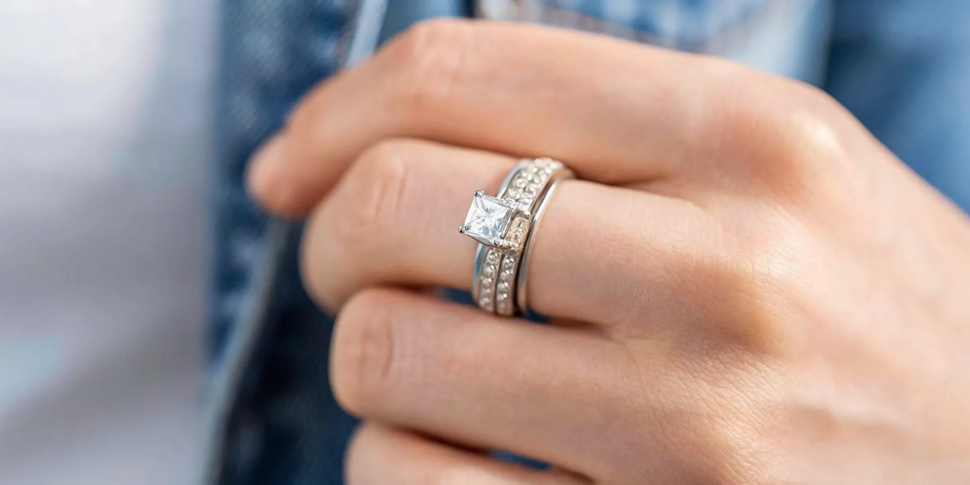
There’s a unique kind of anxiety that comes with wearing a ring that doesn’t fit quite right. Every gesture feels like a risk, and you find yourself constantly checking to make sure that precious piece is still there. Whether it’s a new engagement ring you’re not ready to resize or a family heirloom with a story to protect, a loose fit can take away the joy of wearing it. This is where a simple, clever solution comes in. A ring guard for loose rings is a temporary, non-permanent way to create a snug fit, giving you immediate peace of mind without altering the ring itself. Ahead, we’ll explore everything you need to know about these handy accessories, from the different types available to how to choose the perfect one for you.
Key Takeaways
- Use a Ring Guard for a Quick, Reversible Fit: A ring guard is your best option for a non-permanent fix. It’s perfect for securing a ring during temporary size fluctuations, like colder weather, or for protecting a vintage piece that you can't permanently alter.
- Choose Resizing for a Lasting Solution: While a guard is great for short-term needs, professional resizing is the ideal investment for a daily-wear piece like an engagement ring. It creates a seamless, custom fit that you’ll never have to worry about.
- Prioritize Comfort and Your Ring's Safety: Always select a guard made from jewelry-safe materials, like high-quality silicone, to prevent scratches and skin irritation. Remember to remove it periodically to clean both the guard and your ring, preventing any buildup from lotions or soap.
What Is a Ring Guard?
There’s nothing more distracting than the constant fear of a beloved ring slipping off your finger. Whether it’s a precious family heirloom or your brand-new engagement ring, a loose fit can be stressful. That’s where a ring guard comes in. Think of it as a simple, temporary solution to help your ring fit more snugly. It’s a small spacer, often made of silicone or metal, that you attach to the bottom of your ring’s band. This little addition closes the gap between the ring and your finger, preventing it from spinning or sliding off.
A ring guard is an ideal fix for temporary size fluctuations—maybe your fingers shrink in colder weather, or you’re waiting to find the perfect time for a permanent resizing. It gives you peace of mind without altering the ring itself. While resizing is often the best long-term solution for a cherished piece from our bridal collection, a guard is a fantastic and immediate way to keep your jewelry safe and sound on your hand, where it belongs. It’s a quick, affordable, and non-permanent way to get that perfect fit right now.
How They Keep Your Ring Secure
The magic of a ring guard lies in its simplicity. It works by adding a bit of bulk to the inside of your ring’s band, effectively making the inner circumference smaller. These adjusters are designed to fit discreetly onto the back of your ring, so they’re practically invisible when you’re wearing it. You can find them in various materials and styles, from clear silicone coils to small metal bars that clip on.
Because they fit snugly against your finger, they provide just enough friction and padding to hold your ring in place. This prevents that dreaded spinning and ensures your diamond or main stone stays centered on your finger. While they can make a ring feel more secure in seconds, remember they are meant to be a temporary fix. They’re a great option if you’re looking for a quick way to prevent a ring from slipping off while you decide on a more permanent solution with a jeweler.
Signs You Might Need a Ring Guard
Not sure if your ring is "too loose" or just a little roomy? There are a few clear signs that a ring guard could be a good idea. The most obvious one is if your ring spins freely around your finger. If you’re constantly turning your stone back to the top, your ring is likely too big. Another major red flag is if you can slip the ring off your finger with almost no effort—you shouldn’t have to worry about it flying off with a simple hand gesture.
You might also consider a ring guard if your knuckles are larger than the base of your finger. In this case, a ring has to be big enough to get over the knuckle but will feel loose once it’s on. A guard can solve that problem perfectly. If you’ve tried other solutions like sizing beads and found them uncomfortable, a soft silicone guard might be a better fit for you. When in doubt, you can always book an appointment with a professional to get an expert opinion.
Your Guide to Ring Guard Types
Once you know you need a ring guard, the next step is finding the right one for you and your ring. Ring guards aren't a one-size-fits-all solution; they come in different materials and styles, each with its own set of benefits. Whether you need a quick, temporary fix or something a bit more durable, there’s an option that will keep your treasured piece safely on your finger. Let's walk through the most common types so you can choose with confidence.
Soft and Flexible: Silicone Guards
Think of silicone guards as the easy-to-use, comfortable starting point for securing a loose ring. These adjusters are soft, flexible, and designed for all-day wear without irritation. They typically slip onto the inside of your ring’s band, filling the extra space between your finger and the metal. Because they’re so pliable, they’re a fantastic option if your finger size fluctuates with the weather or throughout the day. You can find a huge variety of these, often in multi-size packs, making it simple to find a snug fit for any ring in your collection. They’re perfect for a quick, non-permanent fix that’s both affordable and effective.
Strong and Sleek: Metal Guards
For a more durable and semi-permanent solution, metal guards are an excellent choice. Unlike temporary adjusters, these are added to your ring by a professional jeweler. One popular method involves soldering two small metal balls, often called sizing beads, to the inside of the band. These beads help anchor the ring, preventing it from spinning or slipping, which is especially helpful if you have larger knuckles. This is a great option for precious bridal jewelry that you wear every day. While it’s a more involved process than slipping on a silicone guard, it provides a secure, long-term fit without fully resizing the entire ring.
Coiled for Comfort: Spiral and C-Spacer Guards
Spiral and C-spacer guards are another popular temporary fix, known for their unique and effective designs. A spiral guard is a plastic coil that you wrap around the bottom of your ring’s band, tightening the fit with each twist. It’s a simple, clever solution that adds bulk discreetly. A C-spacer is a small, C-shaped piece of plastic or metal that clips onto the inside of the band. Both are great for when you need a quick adjustment without committing to a permanent change. Many people find these to be a great temporary fix, especially for a new-to-you vintage piece you’re still getting a feel for.
The Barely-There Option: Invisible Adjusters
If you love the look of your ring and don’t want to change a thing, an invisible adjuster is your best bet. These are typically thin, clear strips of plastic or silicone that stick to the inner surface of your ring’s band. As the name suggests, they are designed to be almost impossible to see once in place. This makes them the perfect choice for preserving the delicate aesthetic of a ring, especially if it has an intricate band or features a unique piece from one of your favorite designers. They offer a secure fit without distracting from the beauty of the piece itself, giving you peace of mind with a low-profile solution.
How to Choose the Right Ring Guard Size
Finding the right ring guard size is key to making your favorite piece feel like it was made for you. A guard that’s too tight can be uncomfortable, while one that’s too loose won’t do its job. The goal is to close the gap between your ring and your finger just enough to create a snug, secure fit without any pinching or pressure. Getting this right ensures your ring stays put and feels comfortable all day long. Let’s walk through how to find that perfect fit.
Measure Your Ring at Home
Before you buy a ring guard, you need to figure out exactly how loose your ring is. A simple way to do this is to fold a small piece of paper or a sticky note and slip it between your finger and the bottom of the ring band. Keep adding layers until the ring feels snug. The thickness of the paper you added is roughly the size of the gap you need to fill. This gives you a great starting point. Remember, you can always consider adding a ring guard or spacer, which can temporarily tighten the fit until you can have it permanently resized.
Decode Ring Guard Sizing
Ring guard sizing isn't universal, but it’s usually straightforward. Most guards are sold based on how much they reduce the ring size—for example, a half-size or one full size. Metal guards often come in specific millimeter widths to match your ring’s band, while spiral silicone guards can be trimmed to the perfect length. While ring guards can make rings smaller in seconds, they are generally meant to be a temporary fix. They’re perfect for rings you can’t resize, like some vintage and estate pieces, or for accommodating seasonal changes in your finger size.
When to See a Professional Jeweler
While home solutions are great for a quick fix, they aren’t always the best long-term answer, especially for your fine jewelry. If your ring is more than a full size too big, a guard might not be secure enough. It’s also important to know that some DIY methods can harm your ring. For instance, it's best to avoid using tape or liquid silicone to make a ring smaller. If a guard feels uncomfortable or you’re worried about damaging a precious piece, it’s time to talk to an expert. We can help you find a professional solution, whether it’s a perfectly fitted guard or a seamless resizing. Feel free to book an appointment with us to find the best fit for your ring.
Ring Guards vs. Resizing: Which Is Best for You?
Deciding between a ring guard and a full resizing comes down to your specific situation. Is your ring just a little loose, or does it spin freely? Are you looking for a quick fix or a lasting solution? Both options have their place, and understanding the key differences will help you make the best choice for your treasured piece, whether it's a brand new engagement ring or a family heirloom.
Think of a ring guard as a temporary adjustment—perfect for minor fluctuations in finger size due to weather or for a ring you can't permanently alter. Resizing, on the other hand, is a permanent alteration performed by a skilled jeweler to create a custom fit. Let’s walk through the main factors—cost, permanence, and convenience—to help you figure out which path is right for you and your ring.
Comparing the Costs
From a purely financial standpoint, a ring guard is the most cost-effective choice upfront. You can find them for a very low price, making them an accessible and immediate solution if your ring feels a bit loose. It’s a quick fix that won’t strain your wallet.
Resizing is an investment in a professional service. A jeweler will carefully cut and reshape your ring, which requires time, skill, and precision. The cost will vary depending on the ring's material, the complexity of its design, and how many sizes it needs to go up or down. While it costs more initially, think of it as a one-time expense for a permanent, perfect fit. For a professional opinion on your specific piece, you can always book an appointment with a jeweler.
A Temporary Fix vs. a Permanent Solution
The biggest difference between these two options is longevity. A ring guard is, by design, a temporary measure. It’s an excellent solution for rings you don’t want to alter permanently, like a vintage piece where resizing might affect its integrity. It’s also great for accommodating minor, seasonal swelling in your fingers.
Resizing is the permanent solution. It changes the structure of the ring itself for a secure, lasting fit. This is the best option for a ring you’ll wear daily for years to come. A word of caution: avoid DIY "hacks" like tape or silicone glue. These can trap dirt and moisture, potentially damaging the metal or loosening stones over time. Always stick to solutions designed specifically for jewelry.
Factoring in Time and Convenience
If you need a solution right now, a ring guard is your answer. You can attach one in minutes and immediately wear your ring with more confidence. This convenience is ideal if you have an event to attend or simply can't bear to be without your favorite ring while it’s at the jeweler.
Resizing requires a bit more patience. You’ll need to bring your ring to a professional and leave it with them for a few days or even a couple of weeks. While it’s less convenient in the short term, the long-term benefit is a ring that fits so perfectly you’ll forget it was ever any other size. A properly resized ring offers comfort that a temporary guard sometimes can't match, as some wearers find guards can feel a bit bulky or shift around.
How to Put On a Ring Guard
Once you’ve chosen the right ring guard, putting it on is usually a straightforward process. Think of it as a temporary fix that can make a world of difference in how your ring feels and stays put. While it’s not a permanent substitute for professional resizing, a ring guard is an excellent solution for minor size adjustments, especially for rings you can’t resize or for accommodating seasonal changes in your finger size. Getting the application right is key to ensuring your beautiful jewelry stays comfortable and secure on your finger.
A Simple Step-by-Step Guide
Most ring guards, especially the popular spiral or tube styles, are designed for easy, at-home application. Before you begin, make sure your ring is clean and dry. For a spiral guard, simply start wrapping one end around the bottom of the ring’s band. Continue coiling it around the band until the ring feels snug when you try it on. You can add or remove coils to get the perfect fit. Once you’re happy with it, trim any excess material with scissors. For clip-on or hinged metal guards, you’ll open the guard, place it over the bottom of the band, and snap it shut, ensuring the prongs are securely fastened.
Common Myths About Ring Guards
You’ve probably seen DIY suggestions online, but it’s best to steer clear of using household items as a ring guard. We strongly advise against using tape, liquid sealants, or food-grade silicone to make your ring fit. These materials can trap dirt and moisture against the metal, potentially causing skin irritation or even damage to your ring over time. Another common myth is that all ring guards will scratch your ring. While poorly made metal guards can cause wear, high-quality silicone or plastic guards are designed to be gentle on precious metals, protecting your treasured pieces while providing a secure fit.
Tips for a Comfortable, Secure Fit
The goal is for your ring guard to feel like it’s not even there. If you’re using a spiral adjuster, start with a smaller piece and add more as needed to find that sweet spot between snug and tight. It might feel a little different at first, but you should get used to it within a day. To keep things comfortable, remove the guard periodically to clean both it and your ring, preventing any buildup of soap or lotion. If you find a temporary guard isn’t providing the comfort or security you need, it might be time to consider a permanent solution. You can always book an appointment with us to explore professional resizing options.
What to Look For When Buying a Ring Guard
Once you’ve decided a ring guard is the right fix, it’s time to choose one. While most are affordable, you still want a quality product that’s comfortable and won’t damage your ring. Considering the material, price, and where you buy it from will help you find the perfect fit for your favorite piece of jewelry.
Spotting Quality Materials
Most temporary ring guards are made from soft, flexible materials like silicone, rubber, or clear plastic. These are popular because they’re comfortable and easy to put on. You can find hundreds of these ring guard adjusters online, but look for medical-grade silicone if you have sensitive skin. For a more durable and seamless look, a jeweler can add a small metal guard that matches your ring. While plastic options are great for a quick fix, a metal guard is a better long-term choice if you’re not ready for a full resizing.
Getting the Best Value
The good news is that most temporary ring guards are incredibly affordable, usually costing between $4 and $10. For that small price, you can wear your ring with confidence. When browsing, pay attention to customer reviews. A product like the popular Invisible Ring Size Adjuster has thousands of reviews, giving you a good idea of its effectiveness. Remember that the best value comes from a guard that fits comfortably and protects your ring. A poorly made adjuster isn’t a bargain if it scratches your beloved ring.
Where to Find Reputable Retailers
You can find a huge variety of ring guards on large online marketplaces, which are great for seeing different styles and reading reviews. However, the best place to start your search is with a professional jeweler. An expert can look at your specific ring—whether it’s a delicate vintage piece or a modern wedding band—and recommend the safest option. They can also identify if a guard might cause damage over time. For personalized advice, you can book an appointment with us to find the perfect solution.
How to Care for Your Ring and Its Guard
Once you’ve found the perfect ring guard, you’ll want to keep both it and your ring looking their best. Proper care is about more than just sparkle; it’s about protecting the integrity of your cherished pieces for years to come. A little routine maintenance goes a long way in preventing damage and wear from daily life. Think of it as a small ritual to honor a piece of jewelry that means so much to you.
Whether you have a simple silicone adjuster or a custom-made metal guard, giving it the right attention ensures it continues to do its job without harming your ring. After all, your ring is exposed to everything you are—lotions, soaps, sunlight, and the occasional bump. Creating a simple care routine helps preserve the metal, protect the gemstones, and maintain the secure fit you wanted in the first place. By following a few straightforward steps for cleaning, storage, and professional upkeep, you can keep your ring secure and beautiful, ensuring it remains a treasured part of your story.
Simple Cleaning and Maintenance
Keeping your ring and its guard clean is one of the easiest ways to maintain their beauty and shine. For a simple at-home cleaning, mix a few drops of mild dish soap with warm—not hot—water. Let your ring and its guard soak for about 20 to 30 minutes to loosen any buildup from lotions, soaps, or daily activities. Afterward, you can gently scrub away any remaining grime with a new, soft-bristled baby toothbrush. Be sure to rinse thoroughly under clean water and pat it dry with a soft, lint-free cloth. It’s also important to know what to avoid. Never wear your ring in a chlorinated pool or hot tub, and take it off before using harsh cleaning chemicals, as they can damage both metals and gemstones.
Storing Your Ring Safely
Where you keep your ring when you’re not wearing it matters just as much as how you clean it. The best practice is to store it in a cool, dry place away from direct sunlight. A fabric-lined jewelry box with separate compartments is ideal because it prevents your pieces from scratching against each other. This is especially important for delicate vintage and estate pieces that may require a little extra TLC. Storing your ring properly also helps prevent the metal from tarnishing and keeps any flexible guard material from warping or deforming over time. If you don’t have a dedicated jewelry box, a soft pouch will also work perfectly to protect it from dust and potential damage.
Making Your Ring Guard Last
While at-home care is essential, nothing replaces a professional’s touch. We recommend bringing your ring in for an inspection at least once a year. A jeweler can give it a thorough, safe cleaning and check the prongs, the setting, and the condition of your ring guard to catch any potential issues early. To make your ring last between visits, get into the habit of removing it before you shower, sleep, exercise, or do any heavy lifting. This simple step minimizes its exposure to moisture, pressure, and chemicals that can cause wear and tear. For ultimate peace of mind, consider getting your most valuable jewelry insured. When you’re ready for a professional cleaning, you can book an appointment with us.
Solve Common Ring Guard Problems
Even with the perfect ring guard, you might run into a few small issues as you get used to wearing it. Think of it like breaking in a new pair of shoes—a little adjustment is often needed to find that perfect fit. Most problems are easy to solve with a few simple tweaks. Whether your guard is slipping, feeling a bit uncomfortable, or you’re worried about your ring’s safety, don’t stress. We’ll walk through the most common concerns and how to handle them so you can wear your favorite pieces with confidence and comfort.
What to Do If It Slips or Moves
A ring guard’s main job is to stop your ring from spinning and sliding, so if it’s still moving, something isn’t quite right. First, double-check that the guard is installed correctly and is snug against your finger and the ring’s band. If it still feels loose, the guard itself might be the wrong size. A guard that’s too big won’t provide enough tension to hold your ring in place. Consider trying a smaller size or a different style. Remember, a ring guard is an excellent temporary fix, but if your ring is significantly oversized, the best long-term solution is to get a professional resizing.
How to Handle Discomfort or Irritation
Your ring guard should feel secure, not uncomfortable. If you’re feeling pinching, poking, or notice any skin irritation, it’s time to investigate. The issue could be the material—some people have sensitivities to certain metals or plastics. If you suspect an allergy, try switching to a hypoallergenic option like silicone. Sometimes, the problem is simply the guard’s placement. Try adjusting it slightly to find a position where it doesn’t dig into your finger. If a metal guard feels too rigid, a softer, more flexible style might be the answer for your unique collection of rings.
Protect Your Ring from Damage
Your jewelry is precious, and the last thing you want is for a solution to cause another problem. While it might be tempting to try a quick DIY fix with tape or craft-store silicone, please don’t. These materials can trap dirt and moisture against the band, potentially discoloring or scratching the metal over time. Always use products specifically designed for jewelry. Even with a proper ring guard, it’s wise to check your ring periodically for any signs of scuffing, especially if you have a metal guard on a softer gold band. This is particularly important for delicate vintage and estate pieces that require extra care.
Related Articles
- The Ultimate Guide to Women's Gold Rings
- The Ultimate Ring Size Calculator Online Guide
- What Ring Size Am I? The Ultimate Guide to a Perfect Fit
Frequently Asked Questions
Will a ring guard damage my ring? This is a common and very valid concern. A high-quality, soft guard made from silicone or flexible plastic is designed to be gentle on precious metals and should not cause any harm. The risk comes from poorly made metal guards or DIY solutions like tape, which can trap moisture and grit, potentially scratching or discoloring your ring over time. The key is to choose a product made specifically for jewelry and to keep both the ring and the guard clean.
How long can I use a temporary ring guard? Think of temporary guards as a short-term solution. They are perfect for helping a ring fit during seasonal changes when your fingers swell or shrink, or as a placeholder while you decide on permanent resizing. While you can use one for a few months, they aren't meant for years of continuous wear. For a ring you wear every day, like a wedding band, professional resizing is the best long-term option for both comfort and security.
Is a ring guard a good choice for my engagement ring? Absolutely, especially as an immediate fix. If your new engagement ring is just a little loose, a guard is a fantastic way to wear it safely and confidently right away. It gives you time to see how the ring fits in different conditions before committing to a permanent resize. For the long run, however, we always recommend a professional resizing to get that perfect, custom fit for such a meaningful piece.
What's the difference between a ring guard and sizing beads? This is a great question because the terms can be confusing. A ring guard is typically a temporary, removable piece you add yourself, like a silicone coil. Sizing beads are a more permanent solution installed by a jeweler. They are two small metal balls soldered onto the inside of the band to anchor the ring and prevent spinning. Sizing beads are a great professional option if you have large knuckles, as they help the ring stay put without a full resize.
Can I use a ring guard on a ring with an intricate band, like a vintage piece? Yes, you can, but you'll want to be selective about the type you choose. For rings with detailed metalwork, pavé stones, or an open design, an invisible strip adjuster is often the best choice. These are thin, clear strips that stick to the inside of the band without covering up the beautiful details. A simple spiral guard can also work well, as it only covers a small portion of the band at the bottom.
Recent articles
View all
Brooke's Holiday Favorites - 2025

Holly's Holiday Favorites - 2025