

Carat vs. Karat: What Does Carat Mean in Jewelry?
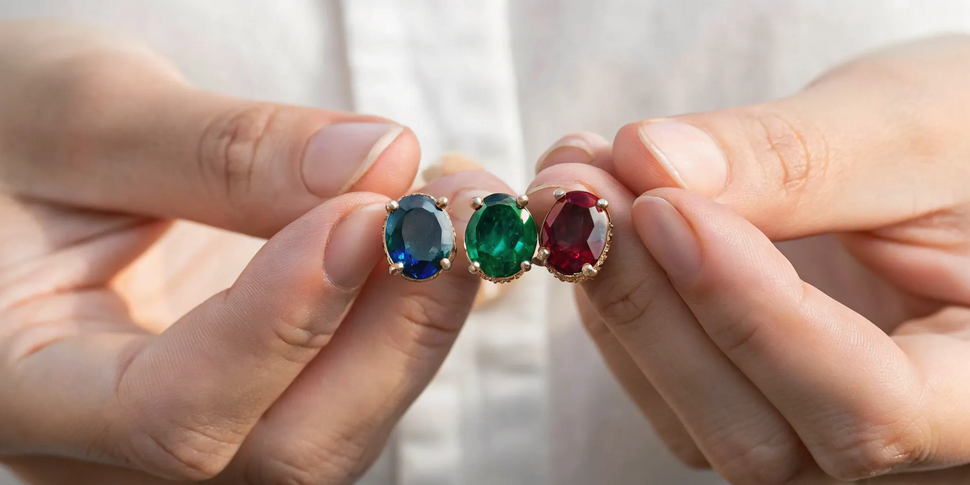
Walking into a jewelry store should feel exciting, not intimidating. Yet, when terms like "carat" and "karat" are used, it’s easy to feel like you’ve missed a key lesson. These two words sound identical but measure completely different aspects of a piece’s quality. One tells you about the weight of a diamond, while the other reveals the purity of the gold band it’s set in. This isn't just a matter of spelling; it's fundamental to understanding what you're buying. Before you can find the perfect piece, you need to know what does carat mean in both contexts. This guide will clear up the confusion, breaking down everything you need to know so you can focus on what truly matters: finding a piece of jewelry that feels like it was made just for you.
Key Takeaways
- Distinguish Weight from Purity: Carat (with a C) measures a gemstone's weight, while karat (with a K) measures gold's purity. Knowing this core difference is the first step to confidently evaluating any piece of fine jewelry.
- Look Beyond the Numbers: A higher carat weight doesn't automatically mean a better gem. A stone's beauty comes from a balance of cut, color, and clarity, just as the ideal gold karat combines rich color with the strength needed for daily wear.
- Select for Your Lifestyle: The perfect piece of jewelry should complement your daily life. Consider how a stone's size and a setting's durability fit your activities and personal style to find a piece you'll be happy to wear constantly.
What Does 'Carat' Mean in Jewelry?
If you’ve ever felt a little lost while jewelry shopping, you’re not alone. The language of fine jewelry can seem like its own secret code, and one of the most common points of confusion is the word "carat." It sounds simple enough, but it’s actually used to describe two completely different things: the weight of a gemstone and the purity of gold. It’s a classic case of a homophone—two words that sound the same but have different meanings and spellings.
Understanding the distinction is key to making a confident and informed choice. Whether you’re admiring a sparkling diamond engagement ring or a classic gold band, knowing what "carat" or "karat" refers to helps you appreciate the piece's true value and craftsmanship. It’s the kind of knowledge that empowers you to ask the right questions and select jewelry that you’ll love for a lifetime. Think of it as your first step toward becoming a more savvy collector, allowing you to fully understand the story behind the beautiful jewelry you wear.
A Tale of Two Definitions
So, let's clear things up. The two terms, carat and karat, are easy to mix up, but their roles in jewelry are distinct.
First, there’s carat (with a “c”), which is a unit of weight for gemstones. When you hear about a one-carat diamond, it’s referring to its weight (specifically, 200 milligrams), which influences its size and price. This is the term you’ll encounter most when exploring our bridal collection.
Then there’s karat (with a “k”), which measures the purity of gold. Pure gold is 24 karats (24k), but it’s too soft for most jewelry. So, it’s mixed with other metals (alloys) for durability. An 18k gold piece, for example, is 18 parts gold and 6 parts other metals.
Carat: A Measure of Gemstone Weight
When you hear the word 'carat,' you probably picture a giant, sparkling diamond. It’s easy to think of carat as a measure of a gemstone's size, but it’s actually all about weight. This is the 'C' in the famous 4Cs of diamond quality, and it plays a huge role in determining a stone's value. Understanding what a carat truly represents is the first step to choosing the perfect stone for a piece of bridal jewelry or a special occasion gift. It helps you know exactly what you're looking at, so you can focus on finding a piece that speaks to you.
The 200-Milligram Standard
So, what does a carat actually weigh? The jewelry world has a precise standard: one metric carat is exactly 200 milligrams, or 0.2 grams. This universal measurement ensures that a one-carat diamond in Denver weighs the same as a one-carat sapphire in Paris. To put that in perspective, 200 milligrams is about the weight of a single raisin or a quarter of a standard paperclip. It’s a tiny amount, but in the world of precious gems, these small increments make a big difference in rarity and price. This standard unit of mass) is the foundation for how we value and compare gemstones across the globe.
Understanding the 'Point' System for Smaller Gems
For gemstones that weigh less than a full carat, jewelers use a 'point' system to keep things precise. Think of it like dollars and cents: one carat is made up of 100 points. So, a gemstone weighing 0.50 carats is called a '50-pointer,' and a 0.25-carat stone is a '25-pointer.' This system is especially helpful when talking about smaller accent stones, like those you might find in a pavé band or a delicate halo setting. It allows designers and gemologists to communicate exact weights with clarity, ensuring every tiny stone in a piece of fine jewelry is accounted for.
Karat: A Measure of Gold Purity
When we talk about gold, we switch from "carat" to "karat." While they sound the same, karat (K) has nothing to do with weight. Instead, it’s all about purity. Think of the entire gold alloy as a pie cut into 24 equal slices. The karat number tells you how many of those slices are pure gold. The remaining slices are made up of other metals, called alloys—commonly copper, silver, or zinc. This system gives us a clear and simple way to understand the quality of the gold in any piece.
So, why not just use pure gold? It’s all about strength and color. Pure gold is a stunningly rich yellow, but it’s also very soft and not practical for everyday wear. Adding alloys makes the gold much more durable and resistant to scratches and bending, ensuring your favorite pieces can keep up with your life. These alloys are also what allow jewelers to create different shades of gold, like romantic rose gold (mixed with copper) or sleek white gold (mixed with white metals like palladium or nickel). When you’re looking at a beautiful piece of jewelry, its karat tells you the secret recipe of pure gold and strengthening alloys that make it both beautiful and wearable for years to come.
What is 24K Gold?
24K gold is the purest gold you can get, containing 24 out of 24 parts of pure gold (or 99.9% purity). It has an intense, almost orange-yellow color that is truly unmatched. While it sounds like the most luxurious option, you’ll almost never find it used in fine jewelry, especially for rings or bracelets. Because it contains no strengthening alloys, 24K gold is incredibly soft and malleable. A 24K gold ring could easily bend out of shape or get scratched during normal daily activities. For this reason, it’s typically reserved for investment-grade gold bars or certain ceremonial pieces, not for the jewelry you’ll want to live in and love every day.
Exploring Common Karat Levels
This is where you’ll find the sweet spot for fine jewelry. The most common options you’ll see are 18K and 14K gold. 18K gold is 18 parts pure gold and 6 parts alloy, making it 75% pure gold. It offers a beautiful, rich yellow hue that’s very close to pure gold but provides the durability needed for everyday wear. It’s a popular choice for high-end pieces and bridal jewelry.
14K gold is 14 parts pure gold and 10 parts alloy, or 58.5% pure gold. This blend makes it even more durable and resistant to wear and tear, which is why it’s one of the most popular choices for engagement rings and other frequently worn items. It still has a lovely golden color and is a fantastic, practical option for lasting beauty.
Carat vs. Karat: What's the Difference?
If you’ve ever felt a little lost trying to decipher jewelry terms, you’re not alone. "Carat" and "karat" are two of the most frequently confused words in the industry, and for good reason—they sound exactly the same. But here’s the thing: they measure two completely different, yet equally important, aspects of your jewelry. Getting them straight is the first step to becoming a more confident and informed buyer.
Think of it this way: carat (with a C) measures weight, while karat (with a K) measures purity.
A carat is a unit of mass used specifically for gemstones. When you hear about a one-carat diamond, that number refers to how much the diamond weighs, not necessarily its size. On the other hand, a karat is a unit that tells you how pure a piece of gold is. It’s measured on a scale of 24, where 24-karat is 100% pure gold. So, when you see a ring described as 18K gold, it means it’s made of 18 parts gold and 6 parts other metals. Understanding this distinction is key when you're exploring different designer collections.
Why the Confusion?
The main reason people mix up carat and karat is simply because they’re homophones—words that sound the same but have different meanings and spellings. This common misunderstanding can easily lead to confusion about a piece's quality and value. You might hear someone talking about a "14-carat gold ring" when they actually mean "14-karat." It’s a small slip of the tongue, but the difference in meaning is significant. Knowing that one term relates to a diamond's weight and the other to a gold band's purity helps you evaluate jewelry accurately and make choices you feel great about.
A Quick Note on Spelling
The easiest way to keep these terms straight is to focus on the first letter. The spelling is your secret weapon for remembering the difference.
- Carat (with a C) refers to the weight of a gemstone. Think of the "C" in carat standing for "crystal" or the precious stones it measures.
- Karat (with a K) refers to the purity of gold.
This simple distinction is crucial, especially when you’re investing in a significant piece like an engagement ring or a family heirloom. When you’re looking at bridal jewelry, for example, you’ll be considering both the carat weight of the center stone and the karat of the gold band. Getting the spelling right helps you communicate exactly what you’re looking for.
How Carat Weight Affects Gemstone Value
When you’re shopping for fine jewelry, carat weight is one of the first things you’ll hear about. It’s one of the famous “4 Cs” (along with cut, color, and clarity) that determine a diamond’s quality, and the same principles apply to other precious gems. While it’s easy to think of carat as just a measure of size, it’s actually a measure of weight, and its relationship with price is a bit more complex than you might expect.
Understanding how carat weight influences a gemstone's value helps you make a more informed choice. It’s not always about getting the biggest stone possible. Instead, it’s about finding the right balance of factors that results in a beautiful, sparkling piece you’ll love forever. Whether you’re looking for a delicate necklace or a show-stopping engagement ring, knowing what carat really means will give you the confidence to select the perfect piece from our jewelry collection.
The Connection Between Size and Price
First things first: a carat is a standard unit of weight for gemstones, equal to 200 milligrams. While a heavier stone is generally a larger stone, the most important thing to understand is how that weight affects the price. The price of a gemstone doesn’t just increase linearly with its weight; it increases exponentially.
Why? Because large, high-quality gemstones are significantly rarer than smaller ones. A single 2-carat diamond is much harder to find than two 1-carat diamonds, so it will cost considerably more than two 1-carat diamonds combined. This rarity premium means that as you move up in carat weight, the price-per-carat jumps at certain key milestones (like the 1-carat mark). This is a fundamental concept in the gemological world that helps explain the value behind truly exceptional stones.
Weight vs. Visual Size: What to Look For
Here’s a little secret: two gemstones with the exact same carat weight can appear to be different sizes. The magic is all in the cut. A well-cut stone with ideal proportions will reflect light beautifully and can appear larger than a poorly cut stone of the same weight. A gem that is cut too deep, for example, might carry a lot of its weight in its base, where you can’t see it once it’s set.
This is why it’s helpful to consider a stone’s measurements (its length and width in millimeters) in addition to its carat weight. This “face-up” size is what you’ll actually see. The talented designers we feature are masters at selecting gems cut to maximize their beauty and brilliance. When choosing a piece, especially for a bridal set, focus on the overall sparkle and appearance, not just the number on a certificate.
A Guide to Gold Karat Values
When you see "14K" or "18K" stamped on a piece of gold jewelry, you're looking at its karat value. Think of it as a report card for gold purity. The system is based on a scale of 24 parts, where 24-karat gold is 100% pure gold. Because pure gold is incredibly soft, it’s usually mixed with other metals, called alloys, to create a stronger material suitable for crafting the beautiful pieces we love to wear. Understanding these values helps you choose jewelry that perfectly fits your lifestyle and aesthetic.
Breaking Down 18K, 14K, and 10K Gold
The karat number tells you exactly how much pure gold is in your piece. An 18K gold ring, for example, is made of 18 parts pure gold and 6 parts other metals, making it 75% pure gold. It has a rich, vibrant yellow hue that’s absolutely stunning. The most popular choice for fine jewelry in the U.S. is 14K gold, which contains 14 parts pure gold (58.3%). It offers a fantastic balance of rich color, durability, and affordability. Finally, 10K gold is 10 parts pure gold (41.7%), making it the most durable of the three but with a slightly paler color.
How Alloys Affect Durability and Color
Those metal alloys we mentioned do more than just add strength—they also give gold its different colors. While pure 24K gold is too soft for daily wear, mixing it with alloys makes it strong enough for pieces you’ll cherish for years, like engagement rings. The specific metals used in the alloy mix determine the final shade. For classic yellow gold, jewelers typically add silver and copper. To create the silvery-white sheen of white gold, they use white metals like palladium or nickel, often finishing it with a bright rhodium plating. And for that warm, rosy glow? A higher concentration of copper is blended in to create beautiful rose gold.
Does a Higher Carat Always Mean Better?
Let’s get straight to the point: no, a higher carat doesn’t always mean a better gemstone. It’s one of the most common assumptions in the jewelry world, but focusing only on carat weight can mean you miss out on a truly stunning stone. Think of carat as a measure of weight, not a grade of quality. A one-carat diamond and a one-carat sapphire both weigh exactly 200 milligrams, but that number tells you nothing about their sparkle, their color, or their internal clarity. It’s easy to get caught up in the numbers, especially when shopping for something as significant as an engagement ring.
The real magic of a gemstone comes from a combination of factors. A larger stone with poor color or a dull cut won't have the same life and brilliance as a smaller stone with an exceptional cut. This is why it's so important to look beyond the number on a certificate and see how the stone performs in person. When you’re exploring our collections of fine jewelry, you’ll see that our designers prioritize the overall beauty and soul of a piece, not just a single metric. It’s about finding a stone that speaks to you—one whose sparkle catches your eye from across the room, regardless of what it weighs.
Debunking Common Carat Myths
One of the biggest myths we hear is that a higher carat weight automatically equals a more valuable gemstone. While it's true that larger stones are rarer and can be more expensive, carat weight alone doesn't determine a gem's desirability. The other "Cs"—cut, clarity, and color—are just as, if not more, important in defining a stone's quality. It's also crucial to remember the distinction between carat and karat; carat is for gems, while karat is for gold purity. Confusing the two is a common slip-up, but knowing the difference helps you understand exactly what you're buying.
Beyond Carat: What Truly Defines Quality
So, what should you focus on? The key is to consider the "Four Cs" together: cut, color, clarity, and carat weight. A stone's cut is what gives it brilliance and fire. Its color can range from icy white to deep, rich hues. Clarity refers to the absence of internal flaws. A beautiful piece of jewelry strikes a perfect balance among all these elements. For example, a masterfully cut diamond can appear larger and more brilliant than a heavier stone with a mediocre cut. When you're choosing an engagement ring or another special piece, focus on the overall harmony and beauty of the stone, not just its size.
How to Choose the Right Carat for You
Picking the right carat weight is one of the most personal parts of choosing a gemstone. While it’s easy to get caught up in the idea that bigger is always better, the perfect carat size is really the one that feels right for you and your life. It’s a delicate balance between the stone’s visual impact, your personal style, your budget, and your daily activities. Think of it less as a numbers game and more as an opportunity to find a piece that truly reflects who you are and how the stone looks on your hand.
When you’re exploring our jewelry collections, remember that carat is just one piece of the puzzle. The cut, color, and clarity of a stone—the other "3 Cs"—also play huge roles in its overall beauty and brilliance. A well-cut diamond with incredible sparkle can easily outshine a larger stone with a less impressive cut. The key is to find a harmonious blend of all these factors to land on a piece you’ll love wearing for years to come. We're here to help you understand how these elements work together so you can make a choice with confidence.
Balance Your Budget
Let’s talk about the practical side of things: your budget. The carat weight of a gemstone is one of the biggest factors in determining its price. As the carat size increases, the price tends to go up exponentially because larger gems are much rarer. The great news is that you don’t need a massive stone to make a statement. We believe in finding a piece that you feel amazing in and that also feels comfortable for your wallet.
Deciding on your budget first can help narrow down your options and make the selection process feel much more manageable. This is especially true when you're looking for bridal jewelry. Sometimes, choosing a carat weight just shy of the next full carat (like a 0.90 instead of a 1.00) can offer significant savings without a noticeable difference in size.
Consider Your Lifestyle
How you spend your days is a crucial factor in choosing the right carat weight. If you have a very active lifestyle or work with your hands, a larger, high-profile stone might not be the most practical choice for everyday wear. It can be more prone to snagging on clothes or getting knocked against surfaces. A lower-profile setting or a slightly smaller carat weight can give you that stunning look without getting in the way of your daily life.
Think about how often you plan to wear the piece. Is this an engagement ring you’ll wear every day, or a cocktail ring for special occasions? Your answer can guide you toward a size that offers both beauty and durability. If you’re unsure what might work best for you, we’d love to help. You can always book an appointment with us to try on different styles and find your perfect fit.
Find Your Perfect Piece with Confidence
Armed with your new understanding of carats and karats, you’re ready for the most exciting part: finding a piece of jewelry that truly speaks to you. This knowledge isn’t about passing a test; it’s about giving you the confidence to explore, ask questions, and ultimately choose something you’ll love for a lifetime. When you can distinguish between a gemstone’s weight and gold’s purity, you can better appreciate the artistry and value in each piece you see. It allows you to move beyond the numbers on a tag and focus on what matters most—how a piece of jewelry makes you feel.
Finding your perfect match is all about balance. For example, when searching for an engagement ring or wedding band, understanding the interplay between carat and karat is key. A stunning diamond (measured in carats) set in durable 14K or 18K gold (measured in karats) creates a piece that is both breathtaking and built to last through all of life’s adventures. Our bridal collection is filled with beautiful examples of this perfect harmony, crafted by designers who are masters of their trade.
Ultimately, the right piece for you goes beyond any single measurement. It’s about the story behind the design, the soul of the materials, and the connection you feel when you wear it. At Element 79, we celebrate the unique vision of our designers, who create jewelry with character and heart. We invite you to bring your newfound knowledge into our store, where our friendly team can help you explore our collections. If you’d like a more personal experience, you can always book an appointment with us. We’re here to guide you with zero pressure, helping you find that perfect piece with total confidence.
Related Articles
- What is 18k Gold? A Complete Guide - Element 79 Contemporary Jewelry
- The Essential Guide to Men's Fine Jewelry - Element 79 Contemporary Jewelry
- The Ultimate Guide to Women's Gold Rings - Element 79 Contemporary Jewelry
Frequently Asked Questions
What's the easiest way to remember the difference between carat and karat? Think of the first letter as your clue. Carat (with a C) refers to the weight of a gemstone, like a crystal. Karat (with a K), on the other hand, is the term used for the purity of gold. Once you have that little trick down, you’ll be able to tell them apart instantly.
Is an 18K gold ring better than a 14K one? "Better" really depends on what you’re looking for. An 18K gold piece has a higher percentage of pure gold, which gives it a richer, more saturated yellow color. However, a 14K gold piece contains more strengthening alloys, making it more durable and resistant to scratches. For an everyday piece like an engagement ring, many people prefer the durability of 14K gold, while others love the luxurious color of 18K. It’s a personal choice between color and strength.
If two diamonds have the same carat weight, will they look the same size? Not always! A diamond's cut and shape play a huge role in how large it appears. A well-cut diamond that is wider and shallower might look much larger from the top than a deeper stone of the exact same weight. This is why it’s so important to look at a stone's overall appearance and sparkle, not just its carat weight on paper.
Why isn't all jewelry made from pure 24K gold? It comes down to practicality. Pure 24K gold is incredibly soft and malleable. If you had a 24K gold ring, it could easily bend out of shape or get scratched during normal daily activities. By mixing pure gold with stronger metals (alloys), we create 18K or 14K gold that is durable enough to be worn and loved for a lifetime.
When buying an engagement ring, what's more important: the diamond's carat or the band's karat? This is a great question because they are both important for different reasons. The diamond's carat weight influences its presence and price, but it works together with the cut, color, and clarity to create a beautiful stone. The band's karat determines the ring's durability and color. Most people find it helpful to focus on finding a stone that speaks to them first, and then select a karat for the band that suits their lifestyle and budget.
Recent articles
View all
Brooke's Holiday Favorites - 2025

Holly's Holiday Favorites - 2025