

Can You Shower with Gold Jewelry? The Do's & Don'ts
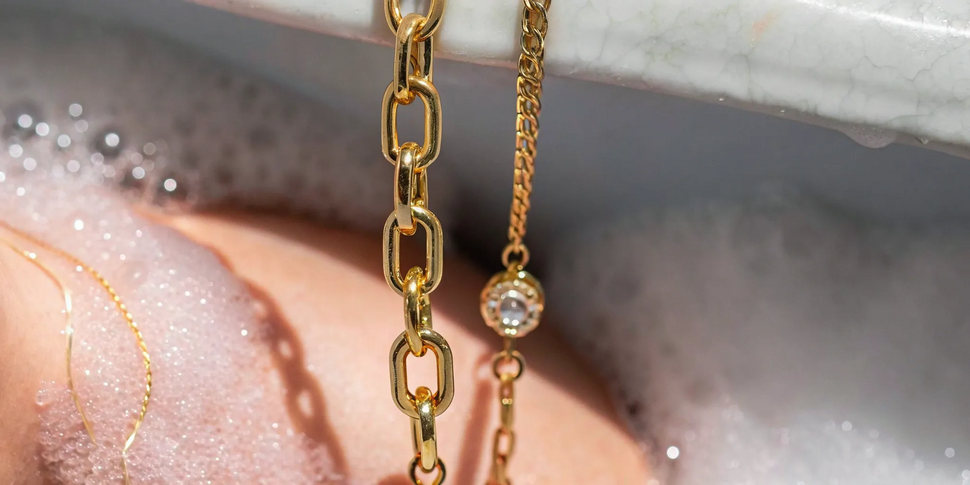
When you ask, can you shower with gold jewelry, it’s easy to assume water is the main concern. But here’s the secret: the water is the least of your worries. Pure gold is a noble metal, meaning it’s highly unreactive and won’t be harmed by water itself. The real culprits are the everyday products you use, from your favorite shampoo to your exfoliating body wash. These can leave behind a filmy residue that builds up in the tiny crevices of your jewelry, dulling the metal’s luster and making gemstones appear cloudy. This guide will explain how to protect your pieces from these hidden threats.
Key Takeaways
- Your Shower Products Are the Real Culprit: It’s not the water that harms your gold, but the filmy residue from soaps and conditioners. This buildup dulls the shine of metals and gemstones, meaning you'll have to clean your jewelry more often to keep it sparkling.
- Solid Gold Is Safer, Plated Gold Is Not: Solid 14k or 18k gold can generally withstand occasional showers. However, gold-plated, gold-filled, and vermeil pieces should always stay dry, as water and soap can wear away their thin gold layers and cause damage.
- Protect Gemstones and Their Settings: Porous stones like opals and pearls can be damaged by moisture and chemicals. Even for durable stones like diamonds, soap scum can dull their sparkle and weaken the metal prongs holding them in place over time.
Can You Really Shower with Gold Jewelry?
It’s a question we get all the time: is it okay to keep your favorite gold necklace on in the shower? The short answer is that while you can, it might not be the best idea for keeping your pieces looking their best long-term. The good news is that high-quality gold is incredibly durable, but your daily shower routine introduces more than just water to the equation.
Let’s break down what’s really happening to your jewelry when you suds up, so you can make the best choice for your treasured collection.
How Does Gold React to Water?
Pure, 24k gold is what’s known as a “noble metal,” which means it’s very unreactive. Water alone won’t harm it, so if you’re wearing a pure gold piece, it won’t rust, corrode, or tarnish from getting wet. Solid gold jewelry is generally safe to wear in the shower for this very reason.
The real issue isn’t the water itself, but everything else you use. Soaps, shampoos, and conditioners can contain chemicals and oils that leave a dull film on your gold over time. This buildup can coat both the metal and any gemstones, hiding their natural sparkle and making them look lackluster.
Why Solid Gold Is So Resilient
When we talk about solid gold, we’re usually referring to 10k, 14k, or 18k gold. These are alloys, meaning pure gold has been mixed with other metals to give it strength and durability for everyday wear. This is why solid gold is so fantastic at resisting tarnish.
However, the other metals in the alloy can sometimes react to their environment. For instance, the copper that gives rose gold its beautiful warm color can darken or develop a patina when repeatedly exposed to certain chemicals. While your solid gold pieces won't rust, their shine can be affected over time by consistent contact with things other than water. This is why it's always a good idea to give your vintage & estate jewelry a little extra attention.
Which Types of Gold Are Shower-Safe?
Not all gold jewelry is created equal, especially when it comes to handling water. The type of gold you have—whether it's solid, plated, or filled—is the biggest factor in deciding if it can join you in the shower. Understanding the difference will help you keep your favorite pieces looking brilliant for years. Let's break down which types can handle the steam and which should stay on the counter.
Solid Gold: Your Safest Bet (14k, 18k, 24k)
If you own solid gold jewelry, you’re in luck. Solid gold is your best option for worry-free shower wear. Because gold is a noble metal, it doesn’t react with water or oxygen, meaning it won’t rust or tarnish. While pure 24k gold is the most resistant, it’s also very soft. That’s why most fine jewelry is made from 14k or 18k gold, which is mixed with stronger alloy metals. These alloys can sometimes react to harsh chemicals over time, but occasional exposure to water and gentle soap is perfectly fine. So, your solid gold rings, necklaces, and bracelets are generally safe to keep on.
The Risks for Gold-Plated and Gold-Filled Pieces
This is where you need to be more careful. Gold-plated jewelry has a very thin layer of gold over a base metal (like brass or copper). This delicate layer can wear away quickly with exposure to water, soap, and friction, revealing the metal underneath and causing discoloration. It’s best to always remove gold-plated pieces before showering. Gold-filled jewelry is a step up, with a much thicker layer of gold bonded to the base metal. While it’s more durable than plated jewelry, regular showering can still cause the gold layer to break down over time. To preserve its shine, it’s a good idea to take it off, too.
What About Vermeil and Other Gold Finishes?
Gold vermeil (pronounced ver-may) is another type to handle with care. It consists of a thick layer of gold over a sterling silver base. Since sterling silver is known to tarnish when it gets wet, you should definitely avoid wearing your vermeil pieces in the shower. The moisture can seep under the gold layer and cause the silver to darken, which will eventually show through. Ultimately, while pure gold itself can handle water, the real issue with any type of designer jewelry is the cumulative effect of soaps, shampoos, and conditioners. These products can create buildup and dull the finish of even the most resilient pieces.
How Do Your Shower Products Affect Gold?
It’s easy to think that a quick rinse in the shower is harmless for your gold jewelry, but it’s often the products we use, not just the water, that can cause problems. Think about it: your daily routine involves soaps, shampoos, and conditioners, all of which have their own unique chemical makeup. Over time, these products can interact with your precious metals and gemstones, leaving them looking less than their best. While a single shower won't ruin a solid gold piece, making it a daily habit can lead to a gradual loss of shine and even potential damage, especially for more intricate or delicate designs.
The Impact of Soaps and Shampoos
The soaps and body washes you use are designed to clean, but they can leave behind a thin, filmy residue on your gold jewelry. This buildup gets into the tiny crevices of your favorite rings and chains, dulling the metal’s natural luster and making it appear cloudy. While this film can be cleaned off, repeated exposure means you’ll have to clean your pieces more often to keep them sparkling. According to jewelry experts at BriteCo, these chemicals can slowly diminish the brilliant shine of your gold, which is the last thing you want for a piece you love.
How Chlorine and Hard Water Take a Toll
Beyond your soap, the water itself can be a culprit. Most tap water contains chlorine, a chemical that is particularly harsh on jewelry. Over time, chlorine can react with the alloys mixed into your gold (like nickel and zinc), potentially weakening the metal and making it brittle. This is especially true for 14k and 18k gold. On top of that, if you live in an area with hard water, mineral deposits like calcium and magnesium can build up on the surface of your jewelry. This creates a dull film that’s tough to remove and hides the beautiful finish of your pieces.
Can Hot Water Harm Your Jewelry?
A hot shower might feel great, but it’s not ideal for your jewelry. Hot water can accelerate the chemical reactions between your gold and the ingredients in your shower products. It also causes the metal to expand slightly. This repeated expansion and contraction can stress weaker points in your jewelry, like solder joints or the delicate prongs holding a gemstone in place. For something as important as an engagement ring from our bridal collection, that’s a risk you don’t want to take. It’s always best to keep your jewelry safe from extreme temperature changes.
What About Jewelry with Gemstones?
While solid gold can handle a quick rinse, adding gemstones to the mix changes the game entirely. Many of the beautiful, soulful pieces we love feature stunning stones, from brilliant diamonds to luminous pearls. But not all gems are created equal, and the shower can be a surprisingly harsh environment for them. Water, soap, and temperature fluctuations can cause damage that goes beyond simple soap scum. Before you take your favorite gemstone ring into the shower, it’s important to understand how different stones and settings react to moisture and cleaning products. Protecting these unique pieces means giving them the specific care they need to stay brilliant for years to come.
Why Some Gemstones Don't Mix with Water
Think of certain gemstones as being a bit more sensitive than others. Porous stones like turquoise, opals, and emeralds can actually absorb water, oils, and chemicals from your soap and shampoo. Over time, this can cause discoloration, dull the stone’s finish, or even lead to cracking. Water and the chemicals in your shower products can harm the color and clarity of many gemstones, permanently altering their appearance. To keep your entire jewelry collection looking its best, it’s safest to adopt a simple rule: if it has a gemstone, take it off before you hop in the shower.
Special Care for Pearls and Organic Materials
Pearls and other organic gems (like coral or amber) require special attention because they come from living organisms. They are incredibly porous and delicate, making them particularly vulnerable to damage from water. Showering with pearls can strip them of their natural luster, leaving them looking dull and lifeless. The chemicals in your soap can also weaken the silk thread they are often strung on, increasing the risk of a break. This is especially true for pieces from our Vintage & Estate collection, which often feature these delicate materials. Treat them with the gentle care they deserve by keeping them dry and away from harsh products.
Protecting Prongs and Delicate Settings
Even the toughest gemstone, the diamond, isn't completely safe in the shower—and it’s not because of the stone itself. The real risk is to the metal setting that holds it in place. Soaps, conditioners, and lotions can create buildup under the prongs, dulling your diamond’s sparkle and creating a breeding ground for bacteria. More importantly, harsh chemicals and temperature changes can slowly weaken the metal over time. This can cause prongs to loosen their grip, putting your precious stone at risk of falling out. Protecting your bridal and other treasured pieces means protecting every part of them, including the delicate settings.
What Happens if You Never Take Your Jewelry Off?
Let's be honest, sometimes taking off every single piece of jewelry before hopping in the shower feels like a chore. Maybe you have a favorite necklace you never part with or a stack of rings that have become a second skin. While the occasional shower with your solid gold pieces isn't a catastrophe, making it a daily habit can lead to some less-than-sparkly results over time. Here’s what really happens when your jewelry becomes a permanent fixture.
The Effects of Long-Term Exposure
We love gold because it’s a "noble metal," meaning it doesn’t easily rust or tarnish when it gets wet. That’s why your solid gold pieces are so durable. But durable doesn’t mean indestructible. Over time, constant exposure to things beyond just water—like the chemicals in tap water, chlorine, or even saltwater if you’re on vacation—can start to wear on the metal. This can slowly diminish the warm shine and integrity of your favorite fine contemporary jewelry. Think of it like your favorite sweater; even the highest quality piece needs a little break to maintain its shape and beauty. Giving your jewelry a rest from the daily grind helps preserve it for years to come.
Dealing with Soap Scum and Buildup
The biggest culprit in the shower isn't the water itself—it's everything else you use. Your soaps, shampoos, conditioners, and body lotions can leave behind a dull film that coats your jewelry. This residue builds up over time, hiding the beautiful luster of the gold and making gemstones look cloudy and lifeless. This is especially true for pieces with intricate details or delicate settings, where the gunk can get trapped in hard-to-reach places. The stunning, soulful pieces from our featured designers are crafted with such care, and the last thing you want is for their artistry to be hidden under a layer of soap scum. A quick removal before you shower is the easiest way to prevent this.
Telltale Signs It's Time for a Cleaning
So how do you know if your jewelry is crying out for a little TLC? The most obvious sign is a loss of sparkle. If your diamond ring looks more dull than dazzling or your gold chain has lost its gleam, it’s definitely time for a clean. You might also notice the piece feels slightly sticky or looks darker in the crevices. In some cases, trapped moisture and soap residue can even lead to skin irritation underneath a ring or bracelet. While a gentle at-home cleaning can help, sometimes you need a professional touch to restore that original brilliance. If your jewelry is looking a little loved-worn, you can always book an appointment with us for a thorough, professional cleaning.
How to Care for Your Jewelry Post-Shower
So, you’ve decided to wear your favorite gold pieces in the shower. That’s totally fine, but a little post-rinse TLC will ensure they stay looking their best for years to come. Think of it as a simple two-minute ritual that protects your investment and keeps your jewelry’s sparkle from fading. Over time, soap scum, hard water minerals, and lingering moisture can build up, creating a dull film or even leading to tarnish on certain pieces. Taking a moment to properly clean and dry your jewelry after showering is the single best thing you can do to maintain its original beauty and shine. It’s a small habit that makes a huge difference, ensuring your beloved pieces are always ready to wear and admire.
A Simple Post-Shower Care Routine
Once you’re out of the shower and dried off, give your jewelry the same attention. The most important step is to rinse your pieces thoroughly under clean, warm water. This washes away any lingering soap, shampoo, or conditioner residue that can get trapped in delicate chains or settings. After rinsing, gently but completely dry each piece with a soft, lint-free cloth—a microfiber or jewelry-specific cloth works perfectly. This simple habit prevents water spots and removes the moisture that can contribute to tarnishing, keeping your favorite necklaces and rings bright and clean.
Safe Cleaning Solutions for Gold
For a deeper clean, you don’t need any harsh chemicals. A gentle bath of warm water and a few drops of mild dish soap (like Dawn) is all it takes to restore your gold’s luster. Let your solid gold jewelry soak for a few minutes before using a soft-bristled toothbrush to gently scrub away any buildup, then rinse and dry. If you’re cleaning gold-plated pieces, be much quicker. Just dip them in the soapy water for a few seconds, wipe with a soft cloth, and rinse. This gentle approach is the best way to care for your jewelry without damaging delicate finishes.
Proper Drying and Storage Tips
Letting your jewelry air dry is a common mistake that can lead to water spots and a dull appearance. Always take the time to dry your pieces completely with a soft cloth immediately after cleaning them. Once they’re dry, storage is key. Keep your jewelry in a cool, dry place away from humidity. A fabric-lined jewelry box with separate compartments is ideal for preventing scratches and tangles. For special items, like delicate vintage and estate pieces, storing them in a soft pouch offers an extra layer of protection, keeping them safe and pristine.
When Should You Always Remove Your Jewelry?
While we've established that your solid gold pieces can handle a quick rinse, showering is just one small part of your day. To keep your jewelry looking its best for years to come, it’s smart to adopt the habit of removing it during certain activities. Think of it as a simple act of preservation for the pieces you love. It’s not just about avoiding damage from chemicals or accidents; it’s also about protecting delicate settings and even looking after your own skin. Taking a moment to slip off your rings or necklace before these specific situations will ensure they remain as beautiful as the day you got them.
Beyond the Shower: Pools, Hot Tubs, and the Ocean
Your favorite summer spots, unfortunately, are some of the worst places for your jewelry. Chlorine in pools and hot tubs is a harsh chemical that can react with the alloys in gold, especially 14k and 18k pieces. Over time, this can lead to discoloration and even weaken prongs, putting your precious stones at risk. Saltwater is just as bad, as it’s corrosive and can dull your jewelry’s brilliant shine. Beyond the chemical reactions, there’s a very real physical risk. Cold water can cause your fingers to shrink, making it incredibly easy for a beloved ring to slip off and be lost forever. It's always best to leave your treasured vintage pieces safely at home.
Situations That Call for Extra Caution
Your daily routine can be surprisingly tough on fine jewelry. It’s a good rule of thumb to remove your pieces before any activity where they might come into contact with harsh chemicals or abrasive surfaces. This includes cleaning the house (bleach and other cleaners are a major no-no), working out at the gym where you might knock a ring against equipment, or even gardening. Lotions, perfumes, and hairsprays can also build up over time, creating a dull film that hides the sparkle of your gems and the luster of the metal. Getting into the habit of putting your jewelry on last, after you’ve finished getting ready, is a simple way to protect it.
Listen to Your Skin: Preventing Irritation
Sometimes, taking your jewelry off is less about the piece and more about you. Wearing rings 24/7, especially wider bands, can trap moisture, soap, and lotion against your skin. This can lead to contact dermatitis, a type of rash that can be itchy and uncomfortable. Giving your skin a chance to breathe is important for its health. If you notice any redness or irritation under a piece of jewelry, it’s a clear sign to take it off for a while. It also gives you the perfect opportunity to clean both your skin and the jewelry itself. If you're concerned about fit or irritation, you can always book an appointment with a professional for advice.
Common Myths About Gold and Water
When it comes to caring for our favorite jewelry, there’s a lot of conflicting advice out there. It can be tough to separate fact from fiction, especially with something we do every day, like showering. Let's clear up a few common myths so you can feel confident about how you care for your treasured pieces. From everyday rings to special occasion necklaces, knowing the truth helps keep your collection looking its best for years to come.
Myth: Solid Gold is Indestructible
It’s true that solid gold is a tough metal. As a “noble metal,” it doesn’t react with oxygen, so it won’t rust or tarnish when exposed to water and air. This is why high-karat gold jewelry is so durable and timeless. However, indestructible isn’t quite the right word. Gold is also a soft metal, making it susceptible to scratches and dings from abrasive surfaces or even harsh exfoliants in the shower. Over time, this can wear down the metal and dull its beautiful finish. While your solid gold pieces are resilient, they still deserve a little TLC to stay in pristine condition.
Myth: It's Just Water, So It's Fine
If we were only showering with pure water, this myth might hold up. But the real issue isn't the water itself—it's everything else in the shower with you. Soaps, shampoos, conditioners, and body washes contain chemicals, oils, and sulfates that can build up on your jewelry. This residue creates a filmy layer that dulls the sparkle of both the metal and any gemstones. Over time, these products can cause discoloration or even damage delicate settings. Think of it this way: you wouldn't wash your finest silk blouse with harsh detergent, and your beautiful jewelry deserves the same consideration.
Myth: Leaving Jewelry On Saves Time
We’ve all been there—too tired to take off our jewelry before hopping in the shower. It feels like a time-saver, but it can create more work in the long run. Consistently showering with your jewelry on means you’ll need to clean it more often to remove soap scum and buildup. More importantly, the constant exposure can weaken clasps and settings over time, increasing the risk of losing a precious piece. If you want to save time on jewelry care, it’s better to book an appointment for a professional cleaning and inspection every so often. Taking a few seconds to remove your jewelry is a simple habit that pays off.
Related Articles
- White Gold Jewelry: A Complete Buyer's Guide
- How to Choose an Everyday Diamond Necklace
- What is 18k Gold? A Complete Guide
Frequently Asked Questions
So, what's the final verdict? Is it really that bad to shower with my solid gold jewelry? Honestly, it’s not a catastrophe if you occasionally forget to take off a solid gold ring or necklace. The metal itself is very durable and won't rust. The real issue is the gradual buildup from your soaps, shampoos, and conditioners. Over time, this creates a dull film that hides your jewelry's natural shine, meaning you'll have to clean it far more often to keep it looking brilliant.
What's the biggest danger in the shower—the water or my soap? It’s definitely the soap and other products. While tap water can contain chlorine and minerals that aren't great for jewelry long-term, the primary culprit is the residue left behind by your shower products. This film gets into every nook and cranny, making your gold look lackluster and your gemstones appear cloudy.
My engagement ring has a diamond. Is it safe to shower with? While a diamond is one of the hardest substances on earth, the risk isn't to the stone itself but to its setting. Soap scum and conditioner can build up underneath the diamond and around the prongs that hold it in place. This not only dulls its sparkle but can also create a breeding ground for bacteria and potentially loosen the prongs over time. It's best to keep such an important piece safe and dry.
Does this advice apply to all gold jewelry, or just the fancy stuff? This is a great question, and the type of gold makes a huge difference. Solid gold (like 14k or 18k) is the most resilient. However, if your jewelry is gold-plated, gold-filled, or vermeil, you should absolutely take it off. Water and soap will wear away the thin layer of gold much faster, exposing the base metal underneath and leading to discoloration.
What’s the one thing I should do if I forget to take my jewelry off before showering? Don't panic! The best thing you can do is give your jewelry a quick, thorough rinse with clean, warm water as soon as you get out. Then, make sure to dry it completely with a soft, lint-free cloth. This simple step will wash away any immediate product residue and prevent water spots from forming.
Recent articles
View all
Brooke's Holiday Favorites - 2025

Holly's Holiday Favorites - 2025