
Asscher vs Emerald Cut: Which Is Right for You?
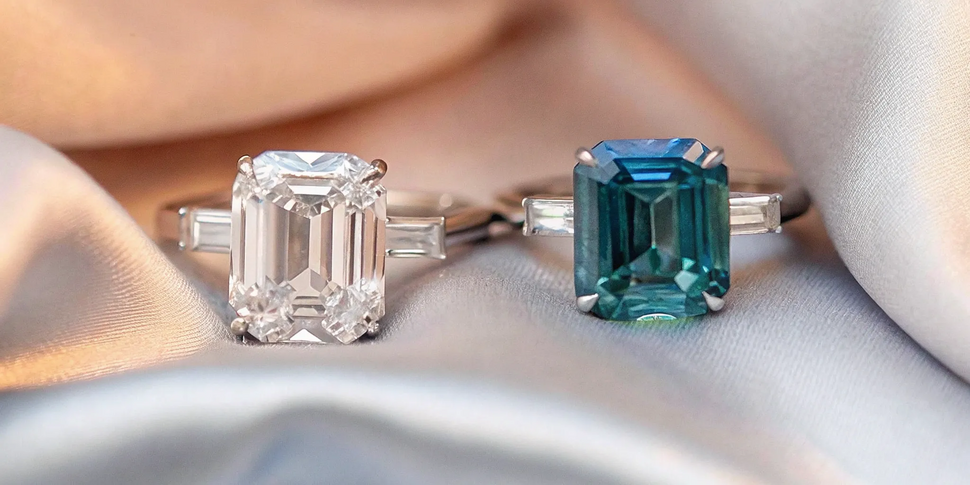
Choosing a diamond is about more than just its beauty; it’s about the story it tells. Both the Asscher and emerald cuts are steeped in the glamour of the Art Deco era, a time of bold geometry and refined elegance. The Asscher, with its mesmerizing "windmill" pattern, feels like a piece of history, echoing the opulence of the Roaring Twenties. The emerald cut, with its sleek lines, became a symbol of modern sophistication. When considering an asscher vs emerald cut, you’re choosing between two distinct legacies of design. This decision connects you to a rich heritage of craftsmanship, allowing you to select a stone that feels not just beautiful, but also soulful and significant.
Key Takeaways
- Define Your Style: Vintage Glamour vs. Modern Elegance: Your choice comes down to personality. Opt for the square Asscher cut if you love bold, Art Deco glamour and intricate sparkle, or choose the rectangular emerald cut for its chic, understated sophistication and flattering lines.
- Invest in Quality Over Carat: Because step-cuts have large, open "windows," they don't hide imperfections. Prioritize higher clarity (VS2 or above) and color (G or H) grades to ensure you get the stunning, crystal-clear look these cuts are celebrated for.
- Understand How Shape Affects Visual Size: If you want your diamond to look as large as possible for its carat weight, the emerald cut is the clear winner due to its elongated shape. The Asscher cut, while stunning, concentrates its weight differently and requires a near-perfect square ratio for its iconic look.
What Are Asscher and Emerald Cut Diamonds?
If you’re drawn to clean lines and understated glamour, you’ve probably found yourself admiring Asscher and emerald cut diamonds. These two cuts are cousins, both belonging to the elegant "step-cut" family. Unlike the fiery sparkle of a round brilliant diamond, they offer a more subtle, sophisticated flash of light that feels both timeless and modern. While they share a similar cutting style, their distinct shapes give them completely different personalities. Understanding these differences is the key to choosing the one that truly speaks to your style. Let's get into what makes each of these cuts so special.
Defining Their Unique Shapes
The first thing you’ll notice is their silhouette. An Asscher cut is a square diamond with deeply trimmed corners, which gives it an almost octagonal appearance. This unique shape creates a captivating, geometric look with a distinct vintage feel. It has strong ties to the Art Deco era, making it a favorite in our vintage & estate collection. An emerald cut, on the other hand, is rectangular. It also has cropped corners, but its elongated form gives it a sleek and graceful presence. This classic shape is celebrated for its elegance and sophistication, creating a flattering look that can make the finger appear longer and more slender.
A Look at Step-Cut Facets
Both Asscher and emerald cuts are "step cuts," which means their facets are arranged in parallel lines on all four sides. If you look down into the diamond, the facets resemble a set of stairs or steps, hence the name. This creates a mesmerizing "hall of mirrors" effect, producing long, clean flashes of light rather than the all-over sparkle you see in brilliant cuts. This unique faceting is what gives so many pieces in our jewelry collection their distinct character. The appeal of a step cut isn't about intense fire; it's about clarity, luster, and a cool, architectural beauty.
Square vs. Rectangle: The Key Difference
At its core, the main difference between these two diamonds is their shape. The Asscher cut is for those who love the bold symmetry of a square, while the emerald cut appeals to those who prefer a classic rectangular outline. This choice impacts more than just aesthetics. The elongated shape of an emerald cut often looks larger for its carat weight compared to the more compact Asscher. It’s a popular choice for bridal jewelry because of this flattering effect. Ultimately, the decision between a square and a rectangle comes down to which silhouette best complements your hand and your personal style.
How Do They Sparkle? A Guide to Light Performance
When we talk about a diamond's sparkle, most people picture the fiery, glitter-ball effect of a classic round brilliant cut. But Asscher and emerald cuts play a different game entirely. As members of the "step-cut" family, their facets are arranged in long, parallel lines that resemble a tiny staircase. This unique structure creates a completely different kind of beauty—one that’s less about intense, scattered sparkle and more about elegant, dramatic flashes of light.
Instead of a flurry of tiny glints, step cuts produce broad, bright flashes that highlight the diamond's clarity and luster. Think of it as a sophisticated, mirror-like glow rather than a fiery shimmer. When you look into a step-cut diamond, you see deep into the stone, appreciating its clean lines and mesmerizing geometry. This unique interaction with light is what gives both Asscher and emerald cuts their signature Art Deco vibe and timeless appeal. They are for the person who appreciates structure and subtlety over all-out glitter. Choosing between them comes down to which of their distinct light performances you find more captivating.
The "Hall of Mirrors" vs. the "Windmill" Effect
The emerald cut is famous for creating a stunning "hall of mirrors" effect. Its long, rectangular facets act like mirrors, reflecting bold flashes of light back and forth within the stone. This creates a mesmerizing sense of depth and dimension, drawing your eye into its clean, architectural center. The effect is incredibly chic and sophisticated, producing a bright, glassy luster that feels both modern and timeless. It’s a look that is all about clean lines and understated elegance.
In contrast, the Asscher cut produces a captivating "windmill" pattern. Thanks to its square shape, cropped corners, and layered facets, light is drawn into the center of the stone, creating a repeating pattern of squares that looks like the blades of a windmill. This creates a more concentrated and dynamic sparkle than the emerald cut. It’s a hypnotic effect that gives the Asscher a unique depth and character.
Comparing Brilliance and Fire
While step cuts aren't known for the same kind of fire as brilliant cuts, they produce their own beautiful flashes of light. "Brilliance" refers to the flashes of white light, and "fire" refers to the flashes of color you see as the diamond moves. Because of their large, open facets, both Asscher and emerald cuts are designed to showcase exceptional brilliance through bold, dramatic flashes.
Generally, the Asscher cut offers a bit more sparkle than the emerald. Its unique facet arrangement, especially the distinctive "x" shape in the center, creates more opportunities for light to bounce around and return to your eye. This results in a more dynamic and brilliant display. The emerald cut’s sparkle is more subtle and linear, focusing on long, clean flashes of light that emphasize the diamond's pristine clarity.
Which One Shines Brighter for You?
Ultimately, the right choice depends on your personal style. There’s no wrong answer here; it’s about what kind of sparkle speaks to you. If you love a bold, dramatic look with a touch of vintage glamour, the Asscher cut is a fantastic choice. Its mesmerizing depth and concentrated sparkle make it a true statement piece that feels both intricate and powerful.
If you lean toward a sleek, minimalist aesthetic, the emerald cut is your perfect match. Its clean lines and elegant, glassy flashes offer a sophisticated and understated glow. This cut is all about quiet confidence and timeless style, making it a favorite for those who appreciate modern elegance. The best way to decide is to see how they perform in person, which you can do when you explore our bridal collection.
Finding the Perfect Proportions
When you’re looking at step-cut diamonds like the Asscher and emerald, proportions are everything. It’s less about the fiery sparkle you see in other cuts and more about clean lines, symmetry, and a captivating sense of depth. The stone's proportions—the simple relationship between its length and width—are what give it that striking visual harmony. This is what makes an Asscher look so perfectly square or an emerald cut appear so elegantly elongated.
While technical specs on a grading report are useful, the true beauty of these stones is often judged by how they look and feel to you. The unique "step-cut" design, with its long, parallel facets, highlights the diamond's clarity, so the overall shape is what truly makes it shine. Finding the right proportions is about blending that mathematical precision with your own personal taste. It’s a crucial step in selecting a piece of fine jewelry that feels like it was made just for you, especially when it’s the centerpiece of a custom engagement ring where every detail matters. Think of it as the foundation for the diamond's entire personality.
The Ideal Asscher Ratio
For an Asscher cut, the goal is almost always a perfect square. To achieve that crisp, geometric silhouette, you’ll want to look for a length-to-width ratio between 1.00 and 1.05. A ratio of 1.00 is a true, perfect square, while anything up to 1.05 will still appear perfectly square to the naked eye. If you go much beyond that, the stone can start to look slightly rectangular, which detracts from its signature shape. This precise proportion is what gives the Asscher its iconic, Art Deco-inspired appeal, making it a stunning choice for our Vintage & Estate inspired pieces. It’s a cut that truly celebrates symmetry.
Perfecting the Emerald's Proportions
Unlike the Asscher, the emerald cut is all about that graceful, rectangular shape. While there isn't one single "perfect" ratio, most people find their sweet spot somewhere between 1.30 and 1.60. A ratio around 1.45 is a popular classic, offering a beautifully balanced look. Ratios that are too close to square (like 1.10 or 1.20) can sometimes feel a bit off-balance—neither truly square nor elegantly rectangular. The wonderful thing about emerald cuts is that you can choose a proportion that fits your style. A shorter, wider stone has a bold presence, while a longer, more slender one can create a flattering, elongating effect on the finger.
Why Proportions Matter for Beauty
So, why do we focus so much on these numbers? It’s because Asscher and emerald cuts are "step cuts," which means they have long, parallel facets arranged like steps on a staircase. This design doesn't create the fiery sparkle of a round brilliant cut. Instead, it produces a mesmerizing "hall of mirrors" effect that showcases the diamond's clarity and clean lines. Because of this, the overall shape and symmetry are critical. The right proportions ensure those facets align perfectly to draw your eye deep into the stone, creating a look of pure, understated elegance. It’s a testament to the skill of the designers who know how to bring out the soul of each unique stone.
Let's Talk Clarity and Color
When you're looking at Asscher and emerald cut diamonds, clarity and color aren't just minor details—they're front and center. Unlike brilliant cuts that use a dizzying number of facets to create sparkle and hide tiny imperfections, step cuts have a more honest, open personality. Their long, clean lines and large, window-like top facet (called the table) give you a clear view deep into the stone. This means that any internal characteristics, known as inclusions, or any hint of body color will be much more apparent.
Think of it like this: a brilliant cut is like a sparkling, effervescent glass of champagne, where the bubbles can obscure your view. A step cut is like a perfectly still glass of pure water, where you can see everything with crystal clarity. This isn't a bad thing! In fact, it's what gives these cuts their sophisticated, icy elegance. It just means you'll want to pay a little closer attention to the diamond's quality grades to ensure you get that stunning, clean look these cuts are famous for. Choosing the right stone is all about finding a beautiful balance that you'll love to look at every day.
Why Inclusions Are More Visible in Step Cuts
The defining feature of both Asscher and emerald cuts is their "step-cut" faceting style. Instead of the triangular and kite-shaped facets you see on a round brilliant, step cuts have rectangular facets arranged in parallel lines, resembling a staircase or steps. This creates a mesmerizing "hall of mirrors" effect, with flashes of light that are bold and dramatic rather than fiery and scintillating.
However, this architectural beauty comes with a trade-off. The large, open table acts as a window, making it easier to spot inclusions within the diamond. There are fewer places for imperfections to hide. That’s why clarity is so important when considering one of these gorgeous vintage-inspired cuts.
The Best Clarity Grades for Your Budget
Because of their revealing nature, finding an "eye-clean" diamond is key. For an Asscher cut, with its deep corners and concentric squares, you’ll want to aim for a higher clarity grade—typically a VS1 or VS2 is a great place to start. This ensures no distracting inclusions will detract from its unique windmill pattern.
Emerald cuts can be slightly more forgiving, but you should still prioritize a stone that looks clean to the naked eye. A good VS2 or even a carefully selected SI1 can be a fantastic value. Ultimately, the goal is to find a diamond where the internal world is as beautiful as its external shape. Our bridal collection features stunning examples where clarity truly shines.
Choosing the Right Color Grade
Just as step cuts reveal inclusions, they also tend to show more of a diamond's natural body color. That large table doesn't do much to mask warmer tones. To get that crisp, icy-white look that so many people love, it’s best to stick with higher color grades. A diamond in the G to H range will appear beautifully colorless once set, offering a great balance of beauty and value.
Of course, personal preference plays a huge role. Some people adore the warmth of a diamond with a slightly lower color grade, especially when set in yellow or rose gold. The best way to decide is to see them for yourself. We invite you to book an appointment to compare stones in person and find the perfect hue for you.
A Tale of Two Cuts: Their History and Heritage
When you choose a diamond, you’re not just selecting a stone; you’re choosing a piece of history. Both the emerald and Asscher cuts have fascinating backstories that add to their allure. Their clean lines and geometric shapes feel incredibly modern, but their roots go back centuries, carrying with them tales of innovation, royalty, and timeless style. Understanding their heritage can make your final choice feel even more special and personal.
These cuts are more than just beautiful—they are artifacts of design history. Whether you’re drawn to the classic elegance of the emerald or the vintage charm of the Asscher, you’re connecting with a legacy of craftsmanship. Let’s explore the unique journeys of these two iconic cuts and see how they became the beloved classics they are today.
The Timeless Origins of the Emerald Cut
The story of the emerald cut begins long before it was a popular choice for diamonds. As its name suggests, this cut was first developed in the 1400s for emerald gemstones. The long, straight facets were less prone to chipping the notoriously fragile stone, and they did a beautiful job of showing off its deep green color. It wasn't until the Art Deco period that the cut truly took off for diamonds. By the 1940s, its clean, architectural lines made it a symbol of understated elegance. Today, it remains a favorite for those who appreciate its classic sophistication and the way it highlights a diamond's clarity, making it a stunning choice for all kinds of fine jewelry.
The Birth of the Asscher Cut in 1902
The Asscher cut has a very specific and celebrated beginning. Joseph Asscher, one of the famous diamond-cutting brothers from Holland, designed and patented it in 1902. He created a square-shaped stone with large step facets, a high crown, and a small table, resulting in a mesmerizing "windmill" pattern. This unique design creates a captivating brilliance that quickly made it a favorite among royalty and the fashion elite. The Asscher cut is the epitome of vintage glamour, and its distinctive shape is a testament to the artistry of its designers. It’s a cut for someone who wants a piece with a story and a truly unique sparkle.
From Art Deco Glamour to Modern Style
Both the emerald and Asscher cuts are deeply connected to the glamour of the Art Deco era. The Asscher cut, with its bold geometry, perfectly captured the spirit of the Roaring Twenties. The emerald cut’s sleek, sophisticated lines also made it a staple of the period’s design aesthetic. While they share a common history, they’ve each carved out their own place in modern style. The emerald cut offers a timeless, refined beauty, while the Asscher provides a touch of antique charm. Both continue to be sought-after choices for bridal jewelry, appealing to those who want a ring that feels both classic and distinctive.
Getting the Best Value: Asscher vs. Emerald
When you’re choosing a diamond, getting the best “value” isn’t just about finding the lowest price. It’s about understanding how the cut, size, and quality all work together to create a beautiful stone that fits your budget. Both Asscher and emerald cuts offer a sophisticated look, but they present different trade-offs when it comes to price, visual size, and the quality grades you’ll want to prioritize. Let’s break down what you can expect from each so you can make a choice that feels right for you.
A Quick Price Comparison
On paper, both Asscher and emerald cuts are typically less expensive per carat than a round brilliant diamond. This is because their straight-edged shapes follow the natural crystal structure of a rough diamond, which means less of the original stone is wasted during the cutting process. However, there’s a catch. Because step cuts have large, open facets that act like windows into the center of the stone, they don’t hide inclusions or color as well as brilliant cuts do. This means you’ll likely need to invest in a diamond with higher clarity and color grades, which can bring the final price closer to that of a round diamond. It’s a balancing act between the lower per-carat cost and the need for higher quality.
Which Diamond Looks Bigger?
If you want to maximize the visual size of your diamond, the emerald cut has a clear advantage. Its elongated rectangular shape and broad surface area create an illusion of size, making it appear larger than other diamond shapes of the same carat weight. This is one of the biggest draws for anyone who loves a stone with major presence. The Asscher cut, on the other hand, tends to look a bit smaller for its weight. Its square shape and deep pavilion mean more of its carat weight is hidden beneath the surface. To get the same visual impact as an emerald cut, you might need to choose a slightly heavier Asscher. Seeing them side-by-side is the best way to appreciate the difference, and we can always show you examples when you book an appointment.
How Quality Affects the Price Tag
The quality of the diamond is especially important with step cuts, and it directly impacts the final cost. Because of its deep, concentric square facets, the Asscher cut is particularly revealing. Any inclusions or hints of color are easily visible, so you’ll want to look for higher clarity grades (like VS1 or VS2) to ensure a clean look. The emerald cut is a little more forgiving, but not by much. Its long facets can sometimes make inclusions less obvious than in the square Asscher, but a high clarity grade is still recommended. For both cuts, good color is key, as the large table will show any yellow or brown tints. Investing in quality is essential for these cuts, ensuring your final piece of jewelry has that crisp, clear beauty they’re famous for.
Which Diamond Matches Your Personal Style?
Choosing between an Asscher and an emerald cut is less about which one is "better" and more about which one feels like you. Both are stunning choices, but they speak different languages. Your personal style, from the clothes you wear to the art you love, can point you toward the diamond that truly reflects who you are. Think about the jewelry you already own and gravitate towards. Is it bold and intricate, or clean and classic? Answering that question is the first step to finding your perfect match.
For the Lover of Vintage Glamour
If you’re drawn to the romance of bygone eras and love a piece with history, the Asscher cut is calling your name. With its deep, kaleidoscopic sparkle and mesmerizing "windmill" pattern, this cut has a distinct Art Deco feel. It’s a choice that feels both glamorous and soulful, perfect for someone who appreciates intricate details and isn't afraid to make a statement. The Asscher cut is like a piece of wearable art, echoing the geometric precision and opulence of the 1920s. It’s a fantastic way to honor the past while creating your own story, making it a beautiful centerpiece for any piece in our Vintage & Estate collection.
For the Fan of Modern Elegance
Do you lean toward clean lines, tailored silhouettes, and understated luxury? If so, the emerald cut will likely capture your heart. This cut is the definition of sophisticated and chic. Instead of a fiery sparkle, it offers a subtle, luminous "hall of mirrors" effect that is both elegant and captivating. Its elongated shape has the wonderful benefit of making the finger appear longer and more slender. The emerald cut is for the person with a confident, modern aesthetic who believes that true style is timeless. It’s a classic choice that feels fresh and relevant, making it a perennial favorite for bridal jewelry.
Finding a Cut That Fits Your Life
Ultimately, the right diamond is the one you can’t stop looking at. If you want a glamorous, eye-catching diamond with more sparkle, the Asscher is your go-to. If you prefer a sophisticated, elongated look that often appears larger for its carat weight, the emerald cut is an excellent choice. Both cuts offer incredible value, as they are generally more affordable per carat than a classic round brilliant. The best way to know for sure is to see them in person. We invite you to book an appointment to compare them side-by-side and discover which step-cut diamond truly speaks to you.
The Best Ring Settings for Your Diamond
Once you’ve chosen your perfect diamond, the next step is finding a setting that makes it shine. For step-cuts like Asscher and emerald, the right setting does more than just hold the stone in place—it enhances its unique character and protects its vulnerable corners. Think of the setting as the frame for your work of art. It should complement the diamond without overpowering it. Whether you lean towards timeless solitaires or something with a bit more detail, we have some favorite styles that beautifully showcase these incredible cuts.
Our Favorite Settings for Asscher Cuts
The Asscher cut, with its mesmerizing, concentric squares, has a bold personality that deserves to be the main event. That’s why we often recommend a simple solitaire or a classic three-stone setting. These styles let the diamond’s clean lines and captivating depth truly stand out. A four-prong setting is a fantastic choice, securing the stone at its corners while allowing plenty of light to enter and create that signature hall-of-mirrors effect. It’s a timeless look that feels both vintage and modern, perfectly suiting the Asscher’s unique charm. Many of our featured designers create stunning solitaires that let the center stone do all the talking.
Stunning Settings for Emerald Cuts
The emerald cut is all about sophisticated, understated elegance. Its long, clean lines and glassy clarity look incredible in settings that highlight its rectangular shape. A delicate halo can add a touch of sparkle and make the center stone appear larger, while a sleek bezel setting offers a contemporary, minimalist vibe. For a truly seamless look, consider a channel setting for any side stones. This technique sets smaller diamonds side-by-side within a metal channel, creating a fluid band of light that complements the emerald’s linear beauty. These classic styles are often found in our vintage and estate collection, showcasing their enduring appeal.
How to Protect the Corners
Both Asscher and emerald cuts have sharp, 90-degree corners (or clipped corners, in the Asscher’s case) that can be prone to chipping with a hard knock. Protecting these points is key to keeping your diamond safe for a lifetime of wear. A bezel setting is your most secure option, as it wraps a thin metal band around the entire perimeter of the stone. If you prefer the look of prongs, ask for V-prongs that cradle the corners specifically. When choosing your setting, think about your lifestyle. If you’re active or work with your hands, a more protective style is a smart choice. We can help you find the perfect balance of beauty and durability when you book an appointment with us.
So, Which One Is Right for You?
Choosing between these two stunning cuts comes down to personal taste and what you value most in a diamond. Both are incredible choices, but they offer different expressions of beauty. Think about the overall feeling you want your ring to have—is it modern and understated, or is it bold and full of vintage charm? There’s no wrong answer, only the one that feels right for you. To help you decide, let’s cover a few final points on how to care for these diamonds and what makes each one unique.
A Note on Durability and Care
Because both Asscher and emerald cuts are step-cuts, their long, open facets act like windows into the center of the stone. This means clarity is key, as inclusions can be more visible than in brilliant cuts. Both styles also have clipped corners, but they can still be vulnerable to chipping if knocked against a hard surface. To protect your diamond, consider a setting that covers the corners, like a bezel or a classic four-prong style. Proper care and a secure setting will ensure your beautiful engagement ring stays safe and sparkling for years to come.
Making Your Final Choice
So, how do you make the final call? If you love a sleek, sophisticated look that feels both timeless and modern, the emerald cut is for you. Its elongated shape creates a flattering effect on the finger and offers an understated, mirror-like glow. If you’re drawn to the dramatic glamour of the Art Deco era and want a diamond with captivating sparkle and depth, the Asscher cut is your perfect match. Ultimately, the best way to know for sure is to see them in person. We’d love to show you both cuts side-by-side, so you can book an appointment and see which one truly speaks to you.
Related Articles
- The Guide to Engagement Rings in Highlands Ranch, CO - Element 79 Contemporary JewelryTikTok
- Unique Alternative Engagement Rings: Find Your Perfect Style - Element 79 Contemporary Jewelry
- Find Your Perfect Baguette Diamond Wedding Band - Element 79 Contemporary Jewelry
Frequently Asked Questions
Do Asscher and emerald cuts sparkle less than a round diamond? It’s not that they sparkle less, they just sparkle differently. A round brilliant diamond is cut for that classic, fiery glitter-ball effect. Asscher and emerald cuts are step-cuts, which means they produce long, elegant flashes of light, creating a mesmerizing "hall of mirrors" effect. Think of it as a sophisticated, bright glow rather than an all-over shimmer. It’s a more understated and architectural kind of beauty.
Which cut will look bigger on my finger for the same carat weight? The emerald cut definitely has the advantage here. Its elongated, rectangular shape covers more surface area on your finger, which creates the illusion of a larger stone. The Asscher cut is square and has more of its weight in its depth, so it can appear a bit smaller than an emerald cut of the same carat weight. If you're looking for a diamond with a big presence, the emerald cut is a fantastic choice.
Why is finding a high-quality stone so important for these cuts? Think of the top facet of an Asscher or emerald cut as a big, clear window looking directly into the center of the stone. Unlike brilliant cuts that have many small facets to distract the eye, these step-cuts don't hide anything. This means any internal characteristics or hints of color will be much more noticeable. Choosing a stone with high clarity and color grades ensures you get that stunning, crystal-clear look these cuts are celebrated for.
Are these diamond cuts more fragile than others? The diamonds themselves are just as durable as any other, but their shapes do have vulnerable points. Both cuts have sharp corners that can be prone to chipping if they take a hard hit. This is why the right setting is so important. A bezel setting that wraps around the stone or a prong setting with V-shaped prongs that cradle the corners will give you the protection you need for everyday wear.
I love both styles! How do I actually choose the right one for me? This is the best kind of problem to have! The final decision really comes down to your personal style. If you’re drawn to vintage glamour, intricate details, and a bold, geometric look, the Asscher is likely your perfect match. If you prefer clean lines, modern elegance, and a sophisticated, understated feel, you’ll probably fall for the emerald cut. The best way to know for sure is to try them on and see which one feels like it belongs to you.
Recent articles
View all
Brooke's Holiday Favorites - 2025

Holly's Holiday Favorites - 2025