
A Visual Guide to Diamond Carat Size on Hand
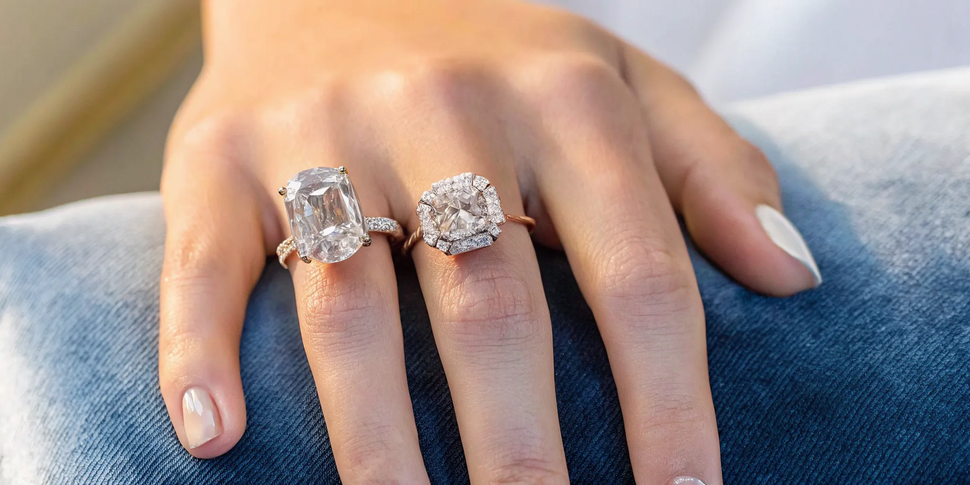
What if you could make your diamond appear larger without increasing its carat weight? It’s not a magic trick; it’s the art of smart design. While carat weight gets most of the attention, a diamond’s cut, shape, and setting are the secret weapons for maximizing its visual impact. An elongated oval cut, for example, has a larger surface area than a round diamond of the same weight, creating an immediate illusion of size. Similarly, a delicate halo setting can make a center stone look significantly more substantial. Understanding these design elements empowers you to choose a ring where the final look is greater than the sum of its parts, giving you the most impressive diamond carat size on hand.
Key Takeaways
- Carat is Weight, Not Width: Don't get hung up on the carat number. A diamond's cut and shape are what determine its face-up size, so a well-cut 0.9-carat oval can easily look larger than a 1.0-carat round.
- Your Hand is the Best Guide: Forget online charts and rules of thumb. The best way to find a diamond that looks proportional and feels right is to try different sizes and styles on your own finger.
- Make the Setting Work for You: The right setting is your secret weapon for maximizing visual impact. A delicate band, a sparkling halo, or even the choice of metal can make your center stone look bigger and brighter.
Diamond Carat vs. Size: What's the Real Difference?
When you start shopping for a diamond, "carat" is one of the first words you'll hear. It’s easy to think of it as a synonym for size, but the truth is a little more nuanced. Understanding the difference between a diamond's carat weight and its visual size is one of the best tools you can have when choosing your perfect stone. It helps you focus on what truly matters: finding a diamond that looks stunning on your hand and fits your personal style. Let's break down what carat really means and how it impacts the diamond you see.
What is a carat?
First things first: a carat is a unit of weight, not size. Think of it like pounds or ounces, but for gemstones. One carat is equal to 200 milligrams, or one-fifth of a gram. While a higher carat weight generally means a larger diamond, it's not a direct one-to-one correlation. The carat is a crucial part of the puzzle when determining a diamond's price and rarity, but it doesn't tell the whole story of how big the stone will actually look once it's set in one of our beautiful bridal rings. It’s simply the starting point for understanding a diamond’s physical properties.
How weight translates to visual size
So, if carat is weight, what determines how big a diamond looks? The secret lies in the diamond's cut. A masterfully cut diamond is designed to maximize light return, which creates that incredible sparkle and can make it appear larger than a poorly cut stone of the exact same carat weight. The dimensions—how wide and deep the stone is—play a huge role. A diamond that's cut too deep might hide a lot of its weight below the surface, making it look smaller from the top. This is why we work with designers who are experts in their craft, ensuring every stone is cut to showcase its full beauty and visual size.
A quick guide to carat dimensions
To give you a better sense of scale, it helps to look at average measurements. A classic 1-carat round brilliant diamond, for example, typically measures about 6.5 millimeters in diameter. A 2-carat round diamond isn't twice as wide; it's usually around 8.0 millimeters. And a 3-carat diamond measures approximately 9.1 millimeters across. Remember, these are just guidelines. The diamond's shape will also change its dimensions. An elongated oval or marquise cut, for instance, will have a larger surface area than a round or square cut of the same carat weight, creating the illusion of a bigger stone.
Does Finger Size Affect How a Diamond Looks?
Yes, it absolutely does! Think of it like hanging a picture—the same piece of art looks different depending on the size of the wall. The same is true for a diamond on your finger. It’s all about proportion. A one-carat diamond won't look the same on a size 4 finger as it does on a size 9. This is why simply looking at a carat size chart isn't enough. Understanding how a diamond will sit on a specific hand is key to finding a ring that feels perfectly balanced and looks just right.
How diamonds look on smaller fingers
If you have smaller fingers (typically ring sizes 5.5 and under), diamonds will naturally appear larger. A 0.75-carat stone can look just as substantial as a full carat on a larger hand. The smaller surface area of your finger provides less competition, allowing the diamond to be the star. Because the stone looks more prominent, you can focus on finding a beautifully cut diamond without feeling pressured to go for a massive carat weight. This allows you to explore our bridal collection to find a design that feels both significant and comfortable.
How diamonds look on larger fingers
For those with larger finger sizes (around 7 and up), a diamond can appear smaller. A delicate one-carat solitaire might not have the same visual presence it would on a smaller hand. But this doesn't mean you need a giant rock! It’s all about creating a balanced look. You might find that elongated shapes like oval or pear cuts are incredibly flattering, as they draw the eye along the finger. Wider bands or more intricate jewelry designs also help create a look that feels substantial and proportional to your hand.
Find the perfect proportion for your hand
Ultimately, the "perfect" carat size is the one that looks and feels right to you. The best approach is to consider the whole picture: your personal style, hand shape, ring setting, and budget. Do you prefer a delicate look or something bold? The most effective way to figure this out is to try things on. Seeing different diamond sizes and shapes on your own hand is the only way to know what you love. We’re here to help you explore all the options, so feel free to book an appointment to find the piece that feels made for you.
A Visual Guide to Common Diamond Sizes
Seeing carat weights on paper doesn't always translate to how a diamond will look on your hand. To help you picture your perfect ring, let's walk through some of the most popular diamond sizes. Remember, these measurements are for a classic round brilliant cut—other shapes will have different dimensions at the same carat weight. The best way to know what feels right is to try them on, and we’re always here to help you do just that when you book an appointment.
The half-carat diamond (0.5ct)
A half-carat diamond is a beautifully understated and elegant choice. While it’s half the weight of a one-carat diamond, its visible size isn't half as small. A round 0.5-carat stone is about 5mm in diameter, making it a perfect fit for someone with a minimalist style or an active lifestyle. This size proves that you don’t need a massive stone to make a major impact. When set in a delicate band or a sparkling halo, a half-carat diamond can look absolutely radiant. It’s a timeless option that offers plenty of brilliance without feeling overwhelming.
The one-carat diamond (1.0ct)
The one-carat diamond is an iconic and sought-after size for a reason. A round one-carat diamond is typically 6.5 millimeters across, offering a significant presence on the finger that feels both classic and substantial. It strikes the perfect balance, providing that "wow" factor while remaining incredibly versatile for everyday wear. This size is large enough to showcase a diamond's fire and brilliance beautifully, and it looks stunning in any setting, from a simple solitaire to a more intricate design from one of our featured designers. It’s a true classic that never goes out of style.
The two-carat diamond (2.0ct)
Stepping up to a two-carat diamond makes a bold and breathtaking statement. At about 8.0 millimeters wide for a round cut, a two-carat stone has a noticeably larger presence on the hand than a one-carat. This size offers exceptional sparkle and commands attention from across the room. It’s an ideal choice if you’re looking for a true showstopper that highlights the beauty and fire of a well-cut diamond. A two-carat stone can be the centerpiece of an unforgettable piece of jewelry, whether it’s for an engagement ring or a special occasion.
Three carats and beyond
Diamonds of three carats and more are where you enter the realm of true luxury and rarity. A three-carat round diamond measures about 9.1 millimeters wide, creating a spectacular visual impact. As you go higher, natural diamonds become exceptionally rare, which is reflected in their price. These significant stones are for those who want the ultimate statement piece. Because of their rarity and value, you’ll often find these magnificent gems in incredible custom designs or as the star of stunning vintage and estate rings, carrying a story as impressive as their size.
How Diamond Cut Affects Perceived Size
You might be surprised to learn that two diamonds with the exact same carat weight can look like completely different sizes on your hand. Why? It all comes down to the cut. A diamond’s cut—its shape and the precision of its facets—determines how it distributes weight and reflects light. Some shapes have a larger surface area, or "face-up" size, than others, creating the illusion of a bigger stone.
Think of it this way: a 1-carat round diamond and a 1-carat oval diamond are cut from similarly sized rough stones, but the oval’s elongated shape gives it more surface area. This means the oval will almost always look larger. Understanding how different cuts play with proportion and light is the key to finding a diamond that has the visual impact you’re looking for. It’s less about the number on a certificate and more about how the stone’s unique geometry comes to life in a piece of jewelry.
Round brilliant cuts
The round brilliant is the quintessential diamond shape, engineered with 58 facets to produce incredible sparkle. Because of its symmetrical shape, it’s a master of light performance. While a 1-carat round diamond has a slightly smaller diameter than the longest point of some other 1-carat shapes, its intense brilliance creates a big, fiery presence. This sparkle can make the diamond pop, drawing the eye and giving it a lively, substantial appearance. It’s a timeless choice that prioritizes fire and brilliance over sheer surface area.
Princess and square cuts
With their sharp corners and clean lines, princess and square cuts offer a modern, geometric alternative to the classic round. These shapes are cut with efficiency in mind, retaining more of the original rough diamond than most other cuts. This means more of the carat weight is preserved, often in the diamond's depth. While they might have a slightly smaller face-up measurement than a round diamond of the same weight, their corner-to-corner diagonal measurement is longer, which can make them appear larger on the finger.
Oval and other elongated shapes
If you want to maximize perceived size, elongated shapes like ovals, pears, and marquises are your best friends. An oval cut has a larger surface area than a round brilliant of the same carat weight, creating an immediate illusion of a bigger stone. This effect is amplified by the shape itself, which draws the eye along its length and can even make your finger appear longer and more slender. It’s a fantastic way to get more visual impact for your budget, and it’s a style many of our favorite designers use to create stunning, contemporary rings.
Emerald and step cuts
Emerald cuts are all about sophisticated, understated glamour. Instead of brilliant sparkle, this step cut features long, linear facets that create a "hall of mirrors" effect, emphasizing the diamond's clarity and luster. Because of its large, open table (the top facet), an emerald cut can appear much larger than its carat weight suggests. However, proportions are everything here. A beautifully cut emerald will look elegant and substantial, while one that is too deep or too shallow can lose its impact. Seeing these unique cuts in person is the best way to appreciate their architectural beauty, and we’re always happy to show you options when you book an appointment.
What Carat Size Looks Best on Your Finger?
Finding the right diamond is all about proportion. Just as you’d choose a piece of furniture that fits the scale of a room, you want a diamond that feels balanced and beautiful on your hand. The same one-carat diamond can look dramatically different on a size 4 finger compared to a size 9. It’s not just about finger size, either; the length and width of your fingers also influence how a stone appears. A long, slender finger might make a round diamond seem wider, while a shorter finger could be beautifully elongated by an oval or marquise cut.
There are no hard-and-fast rules here—the most important factor is how the ring makes you feel. Do you love a delicate, understated look, or are you drawn to a bold statement piece? Your personal style and comfort level are the ultimate guides. The best way to discover what you love is to see it in person. Trying on different carat sizes and shapes helps you understand the proportions and find what truly speaks to you. We’re always here to help you explore the options, so feel free to book an appointment to play with some beautiful pieces and find your perfect fit.
For finger sizes 4–5
If you have smaller fingers, you’re in luck—diamonds naturally appear larger on your hand. A 0.75-carat or 1-carat diamond can have a significant presence and look quite substantial. This gives you incredible flexibility. You can opt for a beautifully cut, modest-sized stone that looks perfectly proportioned, or you can choose to focus your budget on an intricate setting from one of our talented designers. A delicate band can further accentuate the size of the center stone, creating a stunning and balanced look that feels both elegant and comfortable for everyday wear.
For finger sizes 6–7
This is the most common ring size range, and for good reason, it offers a fantastic canvas for a wide variety of diamond sizes. A diamond between 1 and 1.5 carats is often considered the sweet spot, providing a noticeable sparkle that feels both classic and substantial. This size range is large enough to showcase the diamond’s brilliance and fire without feeling overwhelming on the hand. It works beautifully in nearly any setting, from a timeless solitaire to a more detailed vintage & estate piece. It’s a versatile choice that strikes a perfect balance between elegance and impact.
For finger sizes 8+
For those with finger sizes 8 and up, a larger carat weight often creates a more harmonious and balanced look. A diamond that looks substantial on a smaller finger might appear more modest on a larger hand, so exploring stones that are 1.5 carats or more is a great starting point. Don’t forget the power of shape! Elongated cuts like oval, pear, emerald, or marquise can be incredibly flattering, as they draw the eye up and down the finger, creating a beautiful lengthening effect. Exploring our bridal collection can give you a great sense of how different shapes and sizes complement a variety of hands.
Choose a Setting to Enhance Your Diamond's Size
The diamond might be the main event, but the setting is its ultimate support system. Think of it as the frame for a beautiful piece of art—the right one can completely transform the overall look. If you want to maximize your diamond's visual impact without necessarily increasing the carat weight, the setting is your secret weapon. It’s one of the most effective ways to play with proportion and light to make your center stone appear larger and more brilliant.
From the band's width to the way the stone is held in place, every detail contributes to the final impression. Some settings are specifically designed to create an illusion of size, while others prioritize a sleek, modern aesthetic or rugged durability. For example, a setting with more metal might offer greater security for your diamond, while one with less metal can allow more light to pass through, creating that signature sparkle. Understanding how these different elements work can help you create a ring that not only fits your personal style but also makes your chosen diamond truly shine. Let’s look at a few key design choices that can make a world of difference in how your diamond is perceived.
The halo effect
If you’re looking for major sparkle and a big visual statement, the halo setting is a fantastic choice. This design features a circle—or "halo"—of smaller pavé diamonds that frame the center stone. This clever technique does two things beautifully: it adds an extra layer of brilliance and creates the illusion that the center diamond is much larger than it actually is. The seamless border of sparkle tricks the eye, blending the center stone with the surrounding diamonds to create one large, dazzling surface. It’s a popular style for a reason, offering a glamorous, high-impact look that can make a half-carat diamond feel as grand as a full carat. Explore our bridal collection to see how our designers use halos to create stunning pieces.
Thin vs. thick bands
The width of the band plays a huge role in how your diamond is perceived. It’s all about proportion. A thinner, more delicate band creates a contrast that makes the center stone look more prominent and substantial. By taking up less space on your finger, a slender band naturally draws the eye toward the diamond, making it the undisputed focal point. On the other hand, a very wide or thick band can sometimes compete with or even overwhelm a smaller diamond. If your goal is to make your diamond appear as large as possible, opting for a slimmer band is one of the simplest and most effective design tricks in the book.
Prong vs. bezel settings
How your diamond is secured in the ring also affects its appearance. A classic prong setting uses tiny metal claws to hold the diamond in place, leaving most of the stone exposed. This minimalist approach allows the maximum amount of light to enter the diamond from all angles, which creates more sparkle and brilliance, making the stone appear larger.
In contrast, a bezel setting encases the diamond’s perimeter in a thin metal rim. This provides excellent protection and a very sleek, modern look, which is perfect for an active lifestyle. However, because the metal covers the edges of the stone, it can make the diamond appear slightly smaller. The best choice really comes down to your priorities—do you want to maximize sparkle, or do you prefer the security and contemporary feel of a bezel? Seeing them in person can help you decide, so feel free to book an appointment to try on different styles with us.
Design Details That Enhance Visual Impact
The diamond might be the star of the show, but the setting is its stage. The right design choices can amplify your diamond's presence, making it look larger and more brilliant without changing the carat weight. This is where the artistry of talented designers truly shines, as they know how to use every element of a ring to create maximum visual impact. From the sparkle of accent stones to the width of the band, these details work in harmony to craft a stunning piece that feels perfectly proportioned. Let’s explore a few key design elements that can make your center stone appear even more impressive.
Side stones and accent diamonds
Adding more diamonds is a classic and effective way to create a bigger, more dazzling look. A halo setting, which frames the center stone with a ring of tiny diamonds, is a perfect example of this. It not only adds a ton of sparkle but can also make the center diamond appear significantly larger than its actual carat weight. Similarly, three-stone rings or bands with pavé-set accent diamonds draw the eye outward, creating a broader, more brilliant surface area on your finger. These additions don’t just add to the total carat weight; they create a beautiful illusion of size and grandeur for the main stone.
How metal choice makes a difference
The color of your ring’s band plays a subtle but important role in how your diamond is perceived. Bright, cool-toned metals like platinum and white gold have a mirror-like effect, reflecting the diamond's light and enhancing its sparkle. This can create a seamless transition from stone to setting, making the diamond appear larger and more brilliant. On the other hand, the warmth of yellow or rose gold creates a beautiful contrast against the diamond's clear sparkle. This contrast can make the diamond pop, drawing your eye directly to it and highlighting its unique shape and fire. It’s a personal choice that can subtly influence the entire look of your ring.
The effect of band width and style
Proportion is everything in ring design. A simple trick to make your center stone look larger is to choose a thinner, more delicate band. When the band is slender, the diamond naturally looks more substantial in comparison. Some designs even feature a tapered shank, where the band narrows as it approaches the center stone, which further emphasizes its size and draws the eye inward. This is why it’s so helpful to book an appointment to try on different styles. Seeing how a delicate solitaire band versus a wider, more detailed one looks on your hand can help you find the perfect balance.
Common Myths About Diamond Carat Size
When you start shopping for a diamond, the conversation often turns to carat size. It’s one of the most talked-about of the 4Cs, but it’s also one of the most misunderstood. Many common beliefs about carat size can steer you in the wrong direction, leading you to prioritize the wrong things or even overspend. Let’s clear up a few of the biggest myths so you can focus on what truly matters: finding a diamond that you’ll love to wear every day. Choosing a diamond is such a personal experience, and understanding the facts will help you select a piece that perfectly reflects your style and story, without any of the noise.
Myth: Bigger is always better
It’s easy to get caught up in the idea that a bigger diamond is automatically a better one. While a large stone can be breathtaking, it isn’t the right choice for everyone. Your lifestyle plays a huge role in what makes a diamond practical. For instance, very large diamonds might not be practical for people with active lifestyles or jobs where they use their hands a lot. A stunning two-carat diamond might feel cumbersome or get in the way if you’re a painter, a chef, or a fitness instructor. The best diamond for you is one that feels comfortable and complements your daily life, not one that just checks a size box. Our jewelry collection features a wide range of sizes to suit every lifestyle.
Myth: Carat matters more than cut
This is one of the most important myths to bust. Many people think carat is about the diamond's visual size, but it’s actually a measure of its weight. A diamond’s sparkle and brilliance come from its cut, not its weight. A poorly cut diamond won’t reflect light well, making it appear dull and lifeless, no matter how heavy it is. In fact, a well-cut diamond with more mass is usually more valuable, even if it looks smaller than a poorly cut, lighter diamond. A masterfully cut diamond, on the other hand, can look larger and more brilliant than a heavier stone with a mediocre cut. When you’re choosing a piece from our bridal collection, we always emphasize the importance of a beautiful cut.
Myth: Price per carat is consistent
You might assume that a two-carat diamond costs twice as much as a one-carat diamond, but diamond pricing doesn’t work that way. The price per carat increases exponentially as the stone gets larger. Why? Because large, high-quality diamonds are much rarer than smaller ones. Prices jump significantly at key carat weights, often called "magic sizes." For instance, diamond prices go up a lot at specific carat weights like 1.0, 1.5, and 2.0 carats. This means a 0.95-carat diamond can cost significantly less than a 1.0-carat stone, with a visual difference that’s nearly impossible to spot. Understanding this can help you find incredible value. We can walk you through all these nuances when you book an appointment with us.
How to Choose the Right Carat Size for You
Deciding on a carat size is one of the most personal parts of choosing a diamond. While it’s easy to get caught up in numbers and comparisons, the right size for you has less to do with a chart and more to do with how you live your life. It’s a delicate balance between your daily routine, your budget, and your unique personal style. Think of it as finding a piece of art that you get to wear every day. There’s no single "best" size—only the one that feels like it was made for you. Let’s walk through the three key things to consider to find that perfect fit.
Consider your lifestyle and daily wear
Before you fall in love with a specific carat weight, take a moment to think about your day-to-day life. If you have an active lifestyle or a hands-on job—maybe you’re a nurse, an artist, or a parent to young kids—a very large, high-profile diamond might get in the way or be more prone to damage. You want a ring that complements your life, not one you have to constantly take off or worry about. A slightly smaller stone or a more protective setting, like a bezel, can offer peace of mind without sacrificing beauty. The goal is to find a diamond that feels comfortable and secure, allowing you to wear it confidently every single day.
Balance your budget with your preferences
Let’s talk about the practical side of things: your budget. Carat weight is one of the biggest factors influencing a diamond’s price, so it’s important to find a balance that feels right for you. A great starting point is to prioritize what matters most. If the visual size of the stone is your top priority, you might choose a diamond with a slightly warmer color or a few more inclusions to make a larger carat weight more accessible. If you value sparkle above all, you might opt for a smaller diamond with an exceptional cut. While many people look for an engagement ring between 1.0 and 1.5 carats, remember that this is your decision. Never feel pressured to stretch your budget; the perfect diamond is one you love and feel good about purchasing.
Align with your personal style
Ultimately, your ring should be a reflection of you. Your personal style is the magic ingredient that makes a diamond feel truly yours. Are you a minimalist who prefers clean lines and understated elegance? A delicate solitaire might be your perfect match. Or do you love bold, eye-catching pieces that make a statement? A larger carat weight or a dramatic halo setting could be just the thing. Consider your hand size and finger length, but don’t get too hung up on rules. It’s all about what you love to see on your own hand. Take some time to browse different styles from various designers to see what speaks to you. What you value most—be it size, sparkle, or a unique shape—is what makes the final choice perfect.
Related Articles
- The Guide to Engagement Rings in Highlands Ranch, CO
- How to Tell If a Diamond Is Real: 10 Easy Tests
- The Perfect Diamond Stud Earrings: A Buyer's Guide
Frequently Asked Questions
Is carat the most important 'C' to focus on? While carat weight gets a lot of attention, the cut is what truly brings a diamond to life. A beautifully cut diamond will sparkle intensely, which can make it appear larger and more brilliant than a poorly cut stone of a heavier carat weight. Think of carat as the starting point, but focus on finding a stone with a cut that maximizes its fire and beauty. A well-cut diamond always makes a bigger impression, regardless of its weight.
Is there a way to make my diamond look bigger without buying a higher carat? Absolutely! The ring's design is your best tool for enhancing your diamond's presence. Choosing a slender band creates a beautiful contrast that makes the center stone appear more substantial. Elongated shapes like ovals or pears also have a larger surface area than a round diamond of the same weight, creating an illusion of size. A halo setting, which frames the stone with smaller diamonds, is another fantastic way to create a bigger, more dazzling look.
Why does the price jump so much between a 0.9-carat and a 1.0-carat diamond? Diamond prices increase exponentially, not linearly. This is because larger, high-quality diamonds are significantly rarer than smaller ones. Prices tend to jump at certain popular carat weights, often called "magic sizes," like the 1.0-carat mark. This means a 0.95-carat diamond can be a much better value than a 1.0-carat stone, with a size difference so slight you'd never notice it with the naked eye.
Does the shape of the diamond really change how big it looks? Yes, it makes a huge difference. Carat is a measure of weight, not of face-up dimensions. Different shapes distribute that weight in different ways. An elongated shape like an oval or marquise cut has a larger surface area, so it will look bigger on the finger than a round or square-cut diamond of the exact same carat weight. This is a great way to get more visual impact for your budget.
How do I know what carat size is right for my hand? The perfect carat size is all about proportion and personal style, not a rulebook. A diamond will look different on a size 4 finger than it does on a size 9, so what feels substantial on one hand might feel delicate on another. The best way to find your perfect fit is to try on different sizes and shapes. Seeing how they look on your own hand is the only way to know what feels balanced, comfortable, and completely you.
Recent articles
View all
Brooke's Holiday Favorites - 2025
Holly's Holiday Favorites - 2025