
A Guide to the Most Popular Vintage Wedding Bands
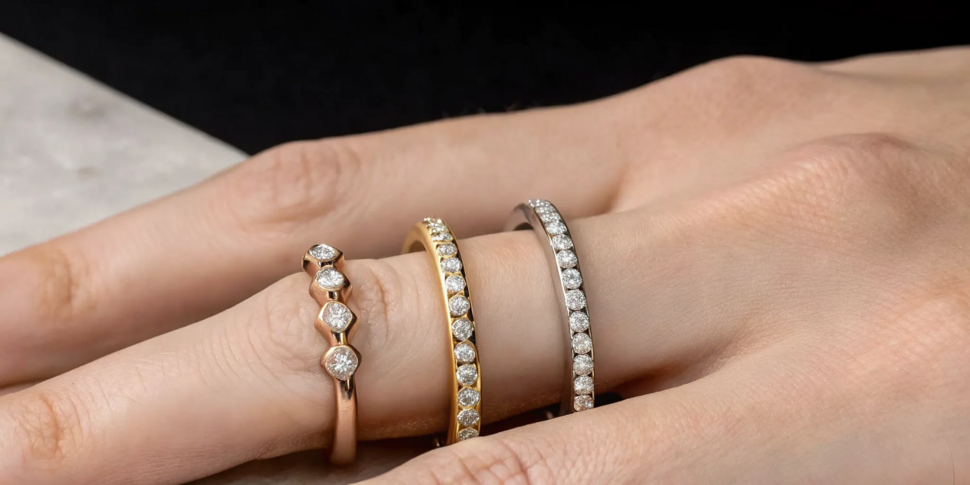
A wedding band is a symbol of the future you’re building, but it can also be a beautiful link to the past. Choosing a vintage ring is an inherently sustainable act, giving new life to a piece that was already cherished. More than that, it’s an opportunity to start your marriage with an instant heirloom. Vintage wedding bands have already proven their timelessness, surviving decades of wear while retaining their beauty and integrity. When you select a vintage piece, you’re not just buying a ring; you’re becoming the next custodian of a story, acquiring a future family treasure that will gather more meaning with each passing generation.
Key Takeaways
- Find Your Perfect Match by Understanding the Eras: A vintage ring is more than just old; it’s a reflection of its time. Knowing the difference between romantic Victorian details, delicate Edwardian lacework, and bold Art Deco geometry helps you pinpoint the style that feels most like you.
- Focus on the Details for a Lifelong Fit: The perfect vintage band complements your engagement ring and feels comfortable enough for daily life. Confirm its authenticity by looking for small hallmarks inside the band and signs of genuine age, which give the piece its unique character.
- Protect Your Ring's Story with Proper Care: A vintage band is a sustainable choice that already has a rich history. Preserve its value and beauty for the future with regular professional cleanings and proper insurance, ensuring it can become a treasured family heirloom.
What Exactly Makes a Wedding Band "Vintage"?
So, what does "vintage" actually mean when we're talking about wedding bands? It’s a question I hear all the time, and it’s easy to think it just means “old.” While age is definitely part of the equation, it’s not the whole story. In the jewelry world, a piece is generally considered vintage if it's between 20 and 100 years old. Anything over a century old officially crosses into "antique" territory.
But a truly vintage wedding band is so much more than a number. It’s a piece that captures the specific style, spirit, and craftsmanship of the era it was made in. Think of it as a tiny time capsule for your finger. True vintage jewelry has an integrity that anchors it to its time, from the way the stones are cut to the specific metalworking techniques used. You can often identify authentic vintage jewelry by looking for these unique details that just aren't replicated in modern, mass-produced pieces.
Choosing a vintage band means you’re wearing a piece with its own history, waiting to become a part of your future. Each ring in our Vintage & Estate collection carries a unique story, offering a sense of connection to the past. Whether it’s the bold, geometric lines of an Art Deco design or the delicate, nature-inspired details of an Edwardian ring, the style tells you everything you need to know about its origins. It’s this one-of-a-kind character that makes a vintage wedding band feel so personal and special.
Discover the Most Popular Vintage Wedding Band Styles
Every vintage ring tells a story, and its style is a clue to the era it came from. As you start your search, you'll notice that different periods in history produced very distinct looks. From the romantic flourishes of the Victorian age to the bold geometry of the Art Deco movement, each era has a unique personality. Understanding these styles will help you pinpoint what you love and find a band that feels like it was made just for you. Let's look at some of the most popular styles you'll encounter in our Vintage & Estate collection.
The Victorian Era: Romantic and Ornate
Imagine a time of handwritten love letters and secret gardens. That’s the feeling captured by Victorian wedding bands (roughly 1837–1901). These pieces are deeply romantic and often feature intricate, nature-inspired designs like flowers, leaves, and scrollwork. Yellow gold was the metal of choice, providing a warm backdrop for colorful gemstones like sapphires, rubies, and emeralds. Sentimental motifs such as hearts, birds, and snakes (a symbol of eternal love) were also popular. If you’re drawn to detailed, meaningful jewelry with a touch of fairytale charm, you’ll find that pieces from this period are full of character and history. They are perfect for the true romantic.
The Edwardian Era: Delicate and Ethereal
If you love all things light, airy, and incredibly detailed, the Edwardian era (around 1901–1910) is for you. This period saw the rise of platinum, a strong metal that allowed jewelers to create delicate, lace-like designs that were impossible before. Edwardian rings are known for their intricate filigree (fine metal wirework) and milgrain detailing, which adds a soft, beaded texture to the edges. The overall look is graceful, feminine, and ethereal. These bands often feature diamonds set in patterns resembling ribbons, bows, and garlands. The craftsmanship of this era has a timeless elegance that continues to influence modern bridal jewelry today.
The Art Deco Era: Geometric and Bold
Step into the Roaring Twenties with a style that’s all about confidence and glamour. Art Deco wedding bands (circa 1920–1935) are a complete departure from the soft, flowing lines of previous eras. Instead, they celebrate bold, geometric shapes, sharp lines, and symmetrical patterns. Think clean angles, step-like cuts, and repeating motifs. Platinum and white gold were popular, often creating a striking contrast with vibrant gemstones like sapphires, emeralds, and onyx set alongside brilliant diamonds. Art Deco rings are perfect for someone with a strong sense of style who appreciates both artistry and precision. They make a statement that is both sophisticated and undeniably cool.
The Mid-Century Era: Colorful and Unique
For the bride who loves to stand out, the Mid-Century era (roughly 1940s–1960s) offers a treasure trove of unique designs. This period was all about experimentation and individuality. Jewelers played with texture, mixed metals, and created bold, often sculptural, shapes. You’ll find bands with braided or woven details, chunky settings, and a playful use of colorful gemstones. This era wasn't defined by a single look but by a spirit of artistic freedom, much like the work of our contemporary designers. If you’re looking for a ring that feels truly one-of-a-kind and breaks from tradition, a Mid-Century piece could be your perfect match.
How to Choose the Perfect Vintage Wedding Band
Finding the perfect vintage wedding band is like uncovering a hidden treasure. Each piece has a story, a history that adds a layer of meaning to your own. But with so many styles and eras to consider, how do you find the one that feels right for you? The key is to balance its unique character with your personal style and the practicalities of everyday wear. Think of it as a collaboration between the past and your future.
When you start your search, you’re not just looking at a piece of jewelry; you’re looking for a symbol that resonates with you. It’s about the intricate details that catch your eye, the way the metal feels against your skin, and how it complements your engagement ring. To help you make a choice you’ll love for a lifetime, we’ve broken down the most important factors to consider. From the type of metal to the fit and pairing, this guide will give you the confidence to select a vintage wedding band that’s as unique as your love story.
Find the Right Metal
The metal of a vintage band does more than just provide a beautiful setting; it tells you about the ring’s history and durability. Different eras favored different materials. For example, platinum was a hallmark of the Art Deco period, while yellow gold was popular in the Victorian era. Understanding the metal’s purity is also essential, as it directly impacts the ring's value and authenticity. Look for small stamps or hallmarks inside the band, which can indicate the metal type and its origin. Your choice will also affect how the ring wears over time, so consider whether you prefer the warm glow of gold or the cool, bright strength of platinum for your daily life.
Evaluate Gemstones and Settings
True vintage jewelry is defined by its integrity, not just its age. When you look at a ring, go beyond its initial sparkle and examine the details that anchor it to a specific time. Pay attention to the cut of the gemstones, as older styles like the Old European or rose cut are distinct from modern brilliant cuts. The setting is another clue. Intricate filigree, delicate milgrain edging, and hand-engraved details are all signs of the incredible artisan craftsmanship found in vintage pieces. These elements are what give a ring its soul and ensure it’s a genuine piece of history, not just a modern reproduction.
Ensure a Comfortable Fit for Daily Wear
A wedding band is meant to be worn every day, so comfort is non-negotiable. While many vintage bands can be resized, it’s not always a simple process. Eternity bands with stones all the way around or rings with highly detailed patterns can be difficult, if not impossible, to adjust without compromising the design. Before you fall in love, make sure the ring feels good on your finger. If it needs resizing, it’s always best to get a professional opinion first. We can help you determine if a ring can be safely adjusted to fit you perfectly, so you can book an appointment to have it assessed by our experts.
Pair Your Band with Your Engagement Ring
Pairing a vintage wedding band with your engagement ring is an art form. The goal isn’t necessarily to find a perfect match, but a perfect complement. A vintage band can add texture, contrast, and personality to a modern engagement ring, or it can create a cohesive look with another vintage piece. Consider how the two rings will sit together. Will there be a gap? Does the height of each ring work together? Don’t be afraid to mix metals or styles to create a unique bridal stack that reflects your taste. And remember, a beautiful vintage band can also be worn on its own for a simple, elegant statement.
How to Verify a Vintage Band's Authenticity
Finding a vintage wedding band that speaks to you is an incredible feeling. But before you commit, it’s smart to confirm that the piece is truly what it claims to be. Verifying a vintage band’s authenticity isn’t about being skeptical; it’s about being an informed buyer who appreciates the story and craftsmanship of a genuine piece. Think of yourself as a jewelry detective. By looking for a few key clues, you can feel confident that your ring is an authentic treasure with a real history. These simple steps will help you distinguish a true vintage find from a modern reproduction, ensuring your investment is sound and your ring’s story is genuine.
Decode Hallmarks and Maker's Marks
One of the best ways to start your investigation is by looking for tiny stamps inside the band. These are called hallmarks or maker's marks, and they are a goldmine of information. These markings can tell you about the metal’s purity (like "14K" or "PLAT"), the company that created the piece, and sometimes even the year it was assayed. To see them, you’ll likely need a jeweler’s loupe or a good magnifying glass. Understanding these jewelry hallmarks allows you to authenticate and date a piece, connecting it directly to its past. It’s like finding a signature on a work of art, confirming its origin and adding to its unique story.
Look for Signs of Genuine Age
A truly vintage piece should show signs of a life well-lived. This doesn't mean it should be damaged, but it should have a certain character that can't be faked. Look for a soft, warm glow on the metal, known as patina, which develops over decades. You might also see minor surface scratches or a slight softening of intricate details from years of gentle wear. The construction itself can also be a clue. Many older pieces feature hand-engraved details that feel less uniform than modern machine work. Authentic vintage jewelry has an integrity that anchors it to its era, so these subtle imperfections are actually signs of its genuine history and charm.
Know When to Get a Professional Appraisal
While you can learn a lot on your own, there are times when you need an expert opinion. If you’re considering a significant purchase or have any doubts about a ring’s authenticity, a professional appraisal is a wise investment. A certified gemologist or an experienced vintage jeweler can accurately test metal purity, identify gemstones, and confirm a ring’s age and origin with certainty. This step gives you complete peace of mind and provides you with official documentation for insurance purposes. If you've found a piece you love but want a second opinion, you can always book an appointment with a trusted jeweler who can help you verify its history and value.
Where to Find Your Dream Vintage Wedding Band
Once you know what style you’re looking for, the hunt for the perfect vintage wedding band begins. Finding a piece with history is a special experience, and there are several places you can look to discover a ring that feels like it was made just for you.
Explore Our Curated Vintage & Estate Collection
Starting your search with a trusted jeweler is one of the best ways to find a high-quality, authentic vintage piece. At Element 79, we hand-select every ring in our Vintage & Estate collection, ensuring each one has a unique soul and a story to tell. We do the hard work of verifying authenticity and assessing quality, so you can focus on finding a band you’ll love for a lifetime. From classic antique gold bands to sparkling diamond eternity rings, a curated collection offers peace of mind and a selection of beautiful, one-of-a-kind treasures.
Visit Specialized Vintage Jewelry Boutiques
Beyond our own collection, specialized vintage jewelry boutiques are fantastic places to explore. These shops often focus on specific historical periods, offering deep collections of rings from the Victorian, Edwardian, Art Deco, and Retro eras. Visiting these stores can be a wonderful way to see different styles side-by-side and learn more about what you’re drawn to. It’s a great step for anyone who enjoys the thrill of the hunt and wants to see a wide range of historical jewelry in person. These focused boutiques live and breathe vintage, making them a rich resource for your search.
Check Out Estate Sales and Auction Houses
For the truly adventurous, estate sales and auction houses can be a treasure trove. This is where you might find a rare piece with a fascinating provenance that has been tucked away for decades. However, this path requires a bit more expertise. Authentic vintage jewelry carries nuances, like metal alloys no longer in common use or old-fashioned stone cuts that require a trained eye to identify. While you can uncover some incredible finds, it’s important to go in with a good understanding of what to look for or to be prepared to have your purchase appraised by a professional.
Shop Online Marketplaces (and What to Watch For)
Online marketplaces offer a seemingly endless selection of vintage wedding bands from sellers all over the world. While the variety is a huge plus, it’s also the wild west of jewelry shopping. It’s crucial to buy from reputable sellers with clear return policies and detailed photographs. Understanding hallmarks and maker’s marks can help you authenticate a piece, but it can be difficult to assess a ring’s true condition from a screen. If you find something you love online, consider having it professionally inspected to confirm its authenticity. You can always book an appointment with us to get an expert opinion.
What Determines the Price of a Vintage Band?
When you start shopping for a vintage wedding band, you’ll notice that prices can vary quite a bit. What makes one ring a sweet deal and another a significant investment? It’s not just about the sparkle. The price of a vintage piece is a beautiful blend of its history, the materials used, its rarity, and its overall condition. Understanding these factors will help you appreciate the true value of the ring you choose and feel confident in your decision. Let’s walk through what to look for.
The Impact of History and Era
Choosing a vintage wedding band is not just about aesthetics; it's also about the rich history that each piece carries. A ring’s value is deeply connected to its era. A bold, geometric band from the Art Deco period tells a different story than a romantic, ornate piece from the Victorian era. Vintage rings often reflect the design trends and cultural influences of their time, making them unique and desirable. The specific history of a piece, if known, can also add to its value, connecting you to a past you can carry into your future.
How Materials and Craftsmanship Affect Price
The physical makeup of a ring is a huge part of its price tag. High-quality materials like platinum or high-karat gold will naturally be more valuable. The same goes for any diamonds or gemstones, which are assessed by their cut, color, clarity, and carat weight. Beyond the raw materials, the level of craftsmanship is critical. Many vintage pieces feature intricate, hand-finished details made with techniques that are rare today. This artistry and the quality of the jewelry itself are a testament to the skill of a bygone era, and that expertise adds to the ring’s value.
Why Rarity and Designer Names Matter
Just like with fine art, a signature or a unique story can make a big difference. Vintage wedding rings associated with renowned designers or historic jewelry houses often command higher prices. The rarity of a piece also plays a major role. If a design was produced in limited numbers or features an unusual combination of materials, it becomes more sought-after by collectors and individuals who want something truly one-of-a-kind. A rare find isn’t just a ring; it’s a piece of history that few others can claim.
Consider the Ring's Condition
While a vintage ring is expected to show some signs of a life well-lived, its overall condition is crucial to its valuation. A piece that has been lovingly cared for and remains in excellent shape will be worth more than one with significant damage or poor repairs. When you browse our Vintage & Estate collection, you’ll see that we select pieces that balance authentic character with lasting quality. If you ever have questions about a ring's condition, it's always a good idea to book an appointment and have an expert take a closer look with you.
Myths About Vintage Wedding Bands, Busted
When you start exploring the world of vintage jewelry, you’ll likely come across a few common misconceptions. The idea of choosing a ring with a rich history is romantic, but myths about cost, durability, and style can make anyone hesitate. Let’s clear up some of the confusion so you can feel confident in your search for a wedding band that truly speaks to you. From budget worries to questions about daily wear, we’re breaking down the biggest myths about vintage rings.
Myth #1: All vintage rings are expensive.
This is one of the most common myths, and it’s easy to see why. While a rare ring with historical significance can certainly be an investment, not every vintage piece comes with a high price tag. In fact, many pre-owned rings are more affordable than their brand-new counterparts. The price of a vintage band depends on its materials, designer, rarity, and condition, not just its age. You can find a wide range of beautiful and budget-friendly options in our Vintage & Estate collection. It’s all about finding a piece that fits your story and your budget.
Myth #2: Vintage rings aren't durable enough for daily wear.
It’s natural to worry that an older piece might be too delicate for everyday life, but vintage jewelry was built to last. These rings have already stood the test of time, often thanks to strong metal alloys and construction techniques that are less common today. The reality is that authentic vintage jewelry often ages gracefully, showcasing structural details that speak to its quality. Of course, just like any piece of fine jewelry, a vintage band requires proper care. With a professional inspection to ensure the settings are secure, you can wear your ring with confidence for years to come.
Myth #3: Vintage styles feel outdated.
Timeless is the opposite of outdated. Vintage wedding bands offer a unique character that you just can’t find in modern, mass-produced rings. Styles from eras like Art Deco or the Mid-Century period are constantly inspiring today’s top designers for a reason: their beauty is enduring. Choosing a vintage ring is a way to express your personal style and stand out from the crowd. It’s less about following a trend and more about finding a one-of-a-kind piece that tells a story. Many people now embrace unique stones and designs that reflect a specific historical period.
Vintage vs. Modern: What's the Difference?
Choosing between a vintage and a modern wedding band really comes down to what you value most. Modern rings, crafted with today's technology, offer clean lines and contemporary flair, often designed by incredible modern artisans. They represent the now, a perfect symbol for a love story just beginning. Vintage rings, on the other hand, are steeped in history and character. They connect you to a different time, offering a sense of romance and nostalgia that can't be replicated.
The primary difference isn't just age; it's the entire philosophy behind the piece. A modern ring is your story from its first chapter. A vintage ring was part of someone else's story first, and now you get to write the next chapter. Neither is better than the other, but they offer distinctly different ways to symbolize your commitment. Exploring these differences can help you decide which path feels right for you, whether it's the allure of a one-of-a-kind past, the appeal of a sustainable choice, or the promise of a future heirloom.
The Charm of a One-of-a-Kind Story
One of the most captivating things about a vintage wedding band is that it’s completely unique. Unlike many modern pieces, a vintage ring has its own history. As the experts at Filigree Jewelers note, "each vintage band tells a unique story and carries a sense of history." These pieces were often handcrafted with meticulous techniques you don't see as often today, giving them an unmatched character. When you choose a ring from our Vintage & Estate collection, you’re not just getting a piece of jewelry; you’re becoming the next guardian of a tiny, wearable work of art with a life of its own.
Why Vintage is a Sustainable Choice
If making an eco-conscious choice is important to you, a vintage wedding band is a beautiful way to honor that. Opting for a pre-loved ring reduces the environmental and ethical impact associated with mining new metals and gemstones. In a world of fast fashion, there's something truly special about choosing an item that is inherently sustainable. By giving an existing piece a new life, you are participating in a cycle of reuse that is both romantic and responsible. It’s a meaningful way to celebrate your future while honoring the past and protecting the planet, a sentiment echoed by jewelers who see the timeless allure of vintage wedding bands.
The Lasting Value of a Future Heirloom
A vintage wedding band has already proven its timelessness. It has survived decades, sometimes even a century, and its style and structure have endured. This lasting quality makes it the perfect foundation for a new family tradition. When you choose a vintage ring, you are investing in what The Antique Parlour calls a "future family treasure." You’re not just buying a ring for yourself; you’re acquiring a piece of history that can be passed down to your children and grandchildren, gathering more stories and sentiment with each generation. It’s a beautiful way to start your marriage with a symbol that is already rich with legacy.
How to Care for Your Vintage Wedding Band
A vintage wedding band is more than just jewelry; it’s a piece of history on your finger. Because these rings have lived a life before you, they need a little extra attention to stay beautiful for years to come. Proper care ensures your ring remains a treasured heirloom, full of stories and sparkle. It’s all about creating simple habits that protect its delicate features while letting its unique character shine.
From daily wear to long-term protection, a few mindful practices can make all the difference. Think of it as being a loving custodian of your ring’s legacy. Taking these steps will help you wear your band with confidence, knowing you’re preserving its beauty and value for the future.
Tips for Daily Wear and Protection
Vintage rings often feature softer metals and more delicate gemstones than modern pieces, so it’s smart to be gentle with them. Porous stones like opals or pearls, which you might find in our Vintage & Estate collection, can be sensitive to chemicals and even water. A good rule of thumb is to make your ring the last thing you put on and the first thing you take off.
To keep your band safe, slip it off before you work out, clean the house, or go for a swim. When you’re not wearing it, store it in a fabric-lined box or a soft pouch away from other jewelry to prevent scratches. These small habits will protect its intricate details and ensure it stays in lovely condition.
Keep It Sparkling with Professional Care
Keeping your vintage band clean is the best way to maintain its brilliance. For a light clean at home, you can use a soft-bristled toothbrush with a bit of mild soap and warm water, but be very gentle. However, for a truly deep and safe clean, nothing beats professional care. An expert jeweler knows how to handle the specific needs of older pieces, from delicate filigree to unique gemstone settings.
We recommend bringing your ring in for a professional cleaning and inspection at least once a year. This allows a trained eye to check for loose stones or wear and tear before they become bigger issues. You can book an appointment with us to have your treasured piece cared for by experts who appreciate its history.
Protect Your Investment with Insurance and Appraisals
Your vintage wedding band is a significant emotional and financial investment, and it deserves to be protected. Getting your ring insured gives you peace of mind in case it’s ever lost, stolen, or damaged. To get the right coverage, you’ll first need a professional appraisal to determine its official value.
Because the market for vintage jewelry can change, it’s a good idea to have your ring reappraised every few years. This ensures your jewelry insurance policy reflects its current worth. Keeping your appraisal and insurance documents in a safe place is a simple but crucial step in safeguarding your beautiful piece of history.
Related Articles
Frequently Asked Questions
What’s the difference between a vintage and an antique ring? This is a great question because the terms are often used interchangeably. In the jewelry world, a piece is typically considered vintage if it's between 20 and 100 years old. Once a ring passes the century mark, it graduates to being an antique. Think of it this way: a bold Art Deco band from the 1930s is vintage, while a delicate, lacy ring from the 1890s would be an antique.
Can most vintage wedding bands be resized? Many vintage bands can be resized, but it really depends on the ring’s specific design. Simple metal bands are usually easy to adjust. However, rings with intricate patterns that wrap all the way around or eternity bands with continuous gemstones can be very difficult, or sometimes impossible, to resize without damaging the original craftsmanship. It’s always best to get a professional opinion before you buy.
How can I pair a vintage band with my modern engagement ring? The key is to find a complement, not necessarily a perfect match. A vintage band can add wonderful texture and personality next to a modern ring. Don't be afraid to mix metals, like pairing a yellow gold Victorian band with a platinum engagement ring. The most important thing is how the two rings sit together on your finger and how they make you feel. The goal is to create a stack that feels uniquely you.
Are vintage rings durable enough for me to wear every day? Absolutely. These rings have already proven their staying power by lasting for decades. They were crafted with techniques and materials meant to endure. That said, like any piece of fine jewelry, they require mindful care. We recommend taking your ring off during strenuous activities and having a jeweler check the settings annually to ensure everything is secure. With a little care, your vintage ring is perfectly suited for daily wear.
Is it okay to wear a ring that was part of someone else's story? We think it’s more than okay; it’s beautiful. Choosing a vintage ring isn’t about taking on someone else’s past. It’s about becoming the next chapter in a long and lovely story. You are honoring the history of a piece that was clearly treasured and giving it a new life full of your own love and memories. It’s a wonderful way to carry a sense of history into your future.
Recent articles
View all
Brooke's Holiday Favorites - 2025
Holly's Holiday Favorites - 2025