

A Complete Guide to the Platinum Engagement Ring
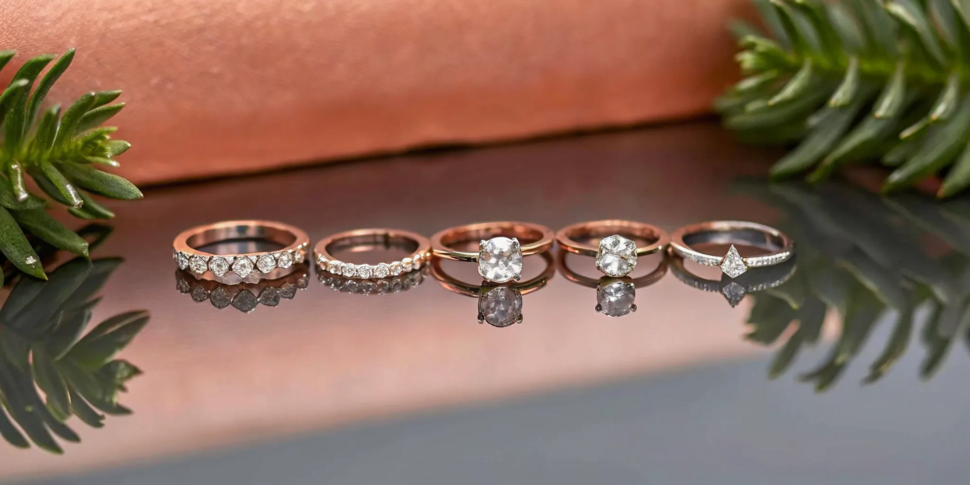
Your engagement ring will be your constant companion, there with you through every part of your daily life. Because it’s a piece you’ll wear every single day, it needs to be more than just beautiful; it has to be practical. Strength, comfort, and low-maintenance care are essential qualities to consider. This is precisely why so many people choose platinum. It is naturally hypoallergenic, making it the kindest choice for sensitive skin, and its incredible density provides the most secure setting possible for your precious gemstone. If you are looking for a metal that can handle real life with grace, a platinum engagement ring is an exceptional and worry-free choice.
Key Takeaways
- Choose platinum for its lasting qualities: Its exceptional strength provides the most secure setting for gemstones, while its natural purity makes it hypoallergenic. Plus, its bright white color will never fade or need re-plating like white gold.
- Understand its long-term value: Platinum's higher initial price reflects its rarity and density, but it's a smart investment. It develops a unique patina over time instead of losing metal from scratches, ensuring your ring maintains its integrity for generations.
- Focus on quality and simple care: When shopping, look for a purity stamp (like "PLAT" or "950 Plat") and inspect the craftsmanship of the setting. Caring for your ring is straightforward, requiring only gentle at-home cleaning and an annual professional check-up.
Why Choose a Platinum Engagement Ring?
When you’re looking for a ring that’s meant to last a lifetime, platinum is an incredible choice. It’s a metal that’s as strong as it is beautiful, making it a perfect symbol for enduring love. Its rarity and natural elegance set it apart, offering a timeless appeal that complements any style. From its impressive durability to its bright, silvery-white hue that never fades, platinum has a unique combination of qualities that make it one of the most sought-after metals for fine jewelry. If you’re drawn to pieces that feel both luxurious and practical, let’s explore what makes platinum so special.
Its Enduring Strength and Durability
An engagement ring is something you’ll wear every day, so it needs to be able to handle real life. Platinum is exceptionally strong and durable, which means it can withstand the bumps and scrapes of daily activities without losing its integrity. Unlike other metals that can wear away over time, when platinum is scratched, the metal is simply moved from one place to another on the ring’s surface. This means no volume is lost, and your ring remains secure for decades. This resilience makes it an ideal setting for a lifetime of memories, ensuring your bridal jewelry looks beautiful for years to come.
A Gentle Choice for Sensitive Skin
There’s nothing worse than falling in love with a piece of jewelry only to find out your skin doesn’t agree with it. Thankfully, platinum is a wonderful option for those with sensitive skin. Because it’s a naturally pure metal, typically 95% pure in jewelry, it’s hypoallergenic. This means it’s free of nickel and other alloys that often cause allergic reactions or skin irritation. You can wear your platinum ring with confidence and comfort, knowing it’s one of the gentlest metals you can choose. It’s a worry-free choice that lets you focus on the beauty of the piece, not potential discomfort.
How It Keeps Your Gemstones Secure
Your diamond is the star of the show, and you want to know it’s safe. Platinum’s density and strength make it the best metal for securing precious gemstones. The prongs that hold your diamond in place are less likely to bend, break, or wear down over time compared to other metals. This is why many of the world’s most significant diamonds are set in platinum. You get peace of mind knowing your stone is held firmly in place. This security is essential for any ring, especially for the unique and artfully crafted jewelry designed to be treasured forever.
A Bright White That Never Fades
Platinum has a naturally bright, silvery-white color that will never change or fade. Unlike white gold, which is an alloy of yellow gold and white metals, platinum is inherently white. White gold often requires a rhodium plating to achieve its crisp white look, a coating that can wear off and require re-plating every few years. Platinum, however, will always maintain its beautiful hue. This natural luster enhances the brilliance of a diamond, making it appear even more sparkly and white. Many stunning Vintage & Estate pieces are made of platinum, and their color remains as true today as it was decades ago.
How Does Platinum Pricing Compare to Gold?
When you start exploring engagement rings, the price difference between metals is one of the first things you'll likely notice. Platinum often comes with a higher price tag, and there are some great reasons for that. Its value in jewelry goes beyond daily market fluctuations and is rooted in its unique qualities. For starters, platinum is much rarer than gold, and it's also denser. This means a platinum ring of the same design will feel more substantial and contain more precious metal than its gold counterpart.
This rarity, density, and the specialized skill needed to work with it all contribute to the upfront cost. But the price is just one part of the equation. Let's break down how platinum compares to white and yellow gold so you can see where its true value lies.
Platinum vs. White Gold
At first glance, platinum and white gold look very similar, but their pricing and composition are quite different. Platinum is generally more expensive than white gold because it is a naturally white metal that is rarer and used in a purer form, typically 95% pure. White gold, on the other hand, is an alloy created by mixing yellow gold with white metals like nickel or palladium. To get its bright, silvery-white shine, it’s usually coated with a thin layer of rhodium. This plating wears off over time and needs to be reapplied every few years to maintain its color, adding a recurring maintenance cost.
Platinum vs. Yellow Gold
The comparison between platinum and yellow gold is more straightforward. Platinum is more expensive because it is significantly rarer and more durable. Its natural strength provides an incredibly secure setting for diamonds and other precious stones, giving you peace of mind for daily wear. While yellow gold has a classic, warm appeal, it is a softer metal that can be more prone to scratches and wear over many years. The price difference reflects platinum’s superior longevity and the security it offers for your investment, making it an excellent foundation for any bridal set.
Understanding Its Long-Term Value
Choosing platinum is often seen as a long-term investment. Its incredible durability means it can withstand a lifetime of wear without losing its integrity. When platinum is scratched, the metal is merely displaced, not lost, creating a unique satin finish known as a patina over time. This is different from gold, which can lose tiny particles of metal with each scratch. Because of this, a platinum ring will maintain its volume and weight for generations. This resilience makes the higher initial cost a worthwhile trade-off for a piece of jewelry that truly endures.
How to Plan Your Budget for Platinum
The price for a platinum engagement ring can vary widely, with simpler settings often starting around $1,000 and increasing based on the design's complexity and the center stone. When planning your budget, it’s helpful to think about the entire ring. Decide what’s most important to you: the metal, the diamond’s size and quality, or an intricate design from a specific artist. Knowing your priorities will help you allocate your budget effectively. The best way to explore your options is to see them in person. You can always book an appointment with us to find a beautiful platinum ring that feels right for you.
What Are the Most Popular Platinum Ring Styles?
Platinum’s beautiful, bright white color and impressive strength make it the perfect canvas for almost any ring design you can imagine. It doesn’t compete with gemstones for attention; instead, it enhances their sparkle and provides a secure foundation that lasts a lifetime. Whether your personal style is classic and understated or bold and artistic, there’s a platinum setting that will feel like it was made just for you.
From the timeless appeal of a single diamond to the intricate details of a vintage-inspired piece, platinum adapts beautifully. It’s a metal that feels both modern and historic, giving designers the freedom to create everything from sleek, minimalist bands to ornate, symbolic settings. Let’s explore some of the most beloved styles that truly shine in platinum.
Timeless Solitaires and Halos
You can never go wrong with a classic. The solitaire setting, featuring a single, stunning gemstone, is the definition of timeless elegance. It’s a style that puts all the focus on your chosen diamond or gemstone, and platinum’s clean, white luster makes the stone pop beautifully. Because platinum is so strong, even the most delicate prongs will hold your diamond securely for decades to come.
For a touch more sparkle, the halo setting is an incredible choice. This design frames a central stone with a circle of smaller pavé diamonds, creating a dazzling effect that makes the main gem appear even larger. In a platinum setting, the diamonds in a halo blend seamlessly, creating a brilliant and cohesive look. Both of these styles are mainstays in our bridal collection for their enduring beauty.
Vintage and Art Deco-Inspired Designs
There’s a certain romance to a ring that feels like a treasured heirloom. Platinum is an excellent choice for vintage-style rings because its durability means that heirloom look will last for many generations. The metal was especially popular during the Art Deco period, so it’s a natural fit for designs featuring geometric shapes, intricate metalwork, and delicate milgrain detailing.
These styles often have a story to tell, and platinum’s strength allows for the kind of fine, ornate details that define these pieces. A platinum setting won’t tarnish or change color, so the crisp details of a vintage-inspired design will remain sharp and beautiful forever. You can find gorgeous examples in our curated Vintage & Estate collection.
Modern Three-Stone and Toi et Moi Styles
If you’re looking for a ring with a deeper story, multi-stone designs are a beautiful and modern option. The three-stone ring, traditionally symbolizing a couple’s past, present, and future, is a classic with a fresh feel. Another romantic choice is the Toi et Moi style, which translates to "you and me" and features two main stones set side-by-side.
These styles allow for so much personality, whether you’re pairing two different diamond shapes or adding colorful gemstones. Platinum provides a strong, unified backdrop that holds each stone securely while letting their individual beauty shine. It’s a wonderful way to create a piece of jewelry that is both deeply meaningful and uniquely you.
Personalized and Ornate Settings
Your engagement ring should be a true reflection of your personality, and sometimes that means choosing something completely unique. Designer engagement rings offer unmatched craftsmanship and a distinct point of view, turning your ring into a meaningful piece of wearable art. Platinum is a favorite among artisans because it can be shaped into incredibly detailed and imaginative designs.
From nature-inspired motifs with flowing lines to bold, architectural shapes, a personalized setting makes a statement. Working with one of our talented designers or creating a custom piece allows you to bring your vision to life. If you have a specific idea in mind, you can always book an appointment with us to explore the possibilities.
Are There Any Downsides to Platinum?
Platinum is a fantastic choice for an engagement ring, but like any big decision, it’s smart to look at it from all angles. While there aren’t many true “downsides” to this metal, there are a few characteristics you should know about before making your final choice. These points aren’t deal-breakers for most people; instead, they’re simply factors that come with choosing such a premium and durable material. It's all about finding the perfect match for you, and knowing the full story helps you do just that.
Let's walk through the main considerations: the initial cost, the weight of the ring on your finger, how it wears over time, and what’s really involved in keeping it beautiful. Understanding these aspects will help you feel completely confident in your decision. Think of this as getting the full picture, so you can be sure that a platinum ring is the perfect fit for your lifestyle and preferences. We want you to love your ring for a lifetime, and that starts with making an informed choice you feel great about. This isn't about finding flaws, but about appreciating the unique personality of this incredible metal.
The Upfront Investment
There’s no getting around it: platinum generally comes with a higher price tag than gold. This is mainly because platinum is about 30 times rarer than gold, and it's also a denser metal. To create a ring, jewelers need more platinum by weight than they would gold, which contributes to the higher cost. It’s best to see this not just as a purchase, but as an investment. You’re paying for unparalleled durability and a naturally white metal that will never fade or tarnish. Plus, unlike white gold, you’ll never have to pay to have it re-plated, which adds to its long-term value.
Its Heavier Feel on Your Finger
Because platinum is so dense, it has a noticeable heft to it. A platinum ring will feel more substantial on your finger compared to an identical one made of gold. For many, this weight is a welcome, constant reminder of the ring’s quality and significance. For others, a lighter feel might be more comfortable for everyday wear. This is purely a matter of personal preference. The best way to know what you like is to try different pieces on. We always recommend you book an appointment to feel the difference for yourself and see which metal feels right for you.
The Truth About Platinum's Patina
Over time, platinum develops a unique finish called a patina. This is one of its most misunderstood and beautiful qualities. When gold is scratched, tiny bits of the metal are lost forever. But when platinum is scratched, the metal is simply displaced, creating a soft, velvety texture on the surface. This gives the ring a rich, lived-in look that many people adore, as it reflects the journey you’ve shared with it. If you love the look of our Vintage & Estate pieces, you’ll appreciate the character a patina brings. And if you ever miss that bright, high-polish shine, a quick professional buffing will restore it completely.
Clearing Up Common Maintenance Myths
You might hear that platinum is high-maintenance because it scratches, but that isn’t the whole story. While it does develop a patina from daily wear, it’s one of the strongest and most secure metals for setting gemstones. Its strength means your prongs are less likely to bend or break, keeping your diamond safe. Caring for your platinum jewelry is simple. For at-home cleaning, a gentle soak in warm water with a mild soap is all you need to keep it looking fresh. The professional polishing we mentioned earlier is always an option, but it’s not a requirement to maintain the ring’s integrity, making it a wonderfully low-fuss choice for a lifetime of wear.
What to Look for in a Platinum Engagement Ring
Once you’ve decided on platinum, the fun part begins: finding the perfect ring. This is more than just picking a style you love. It’s about understanding the small details that signal quality and ensure your ring will last a lifetime. From the purity of the metal to the skill of the person who made it, every element matters. A truly exceptional ring is a combination of high-quality materials, beautiful design, and expert craftsmanship.
Knowing what to look for can make the entire process feel less overwhelming and more exciting. Think of it as a treasure hunt where the prize is a piece you’ll cherish forever. We’ll walk through the key things to inspect and the important questions to ask, so you can feel completely confident when you finally say “yes” to the ring.
Check for Platinum Purity Marks
Before you even look at the diamond, take a moment to check the inside of the band. High-quality platinum jewelry will have a stamp, or hallmark, that indicates its purity. Because platinum is one of the world’s rarest precious metals, these marks are a guarantee of its value. You’ll typically see a stamp that says “950 Plat” or simply “PLAT.” This means the ring is made of 95% pure platinum, which is the standard for fine jewelry. This high level of purity is what gives platinum its signature bright white color and hypoallergenic properties, making it a mark of true quality.
Examine the Diamond and Craftsmanship
A beautiful platinum setting deserves a stunning diamond and impeccable workmanship. Look closely at how the stone is set. Are the prongs smooth, even, and secure? Does the setting feel sturdy? A designer engagement ring offers more than just a unique style; it promises a level of unmatched craftsmanship that ensures your ring is built to last for generations. The finish on the metal should be flawless, and the overall design should feel balanced and thoughtfully executed. This attention to detail is what turns a simple ring into a meaningful piece of wearable art.
Find a Trusted Jeweler for Your Design
The person you buy your ring from is almost as important as the ring itself. Finding a jeweler who listens to you and understands your vision is key to getting a piece that truly feels like you. A great jeweler acts as your guide, helping you explore different styles and answering your questions without pressure. They can help you find a ring with soul, whether it’s a piece from one of our curated bridal designers or a custom creation that tells your unique love story. The right partnership makes the experience joyful and ensures you end up with a ring you absolutely adore.
Key Questions to Ask Before You Buy
Don’t be shy about asking questions. Making an informed decision is the best way to feel great about your purchase. Before you commit, make sure you have clear answers to a few key things. Ask about the diamond’s quality and whether it comes with a certificate from a reputable lab like GIA. Inquire about the jeweler’s policies on returns, resizing, and warranties. Understanding these practical details ahead of time provides peace of mind. A trustworthy jeweler will be happy to provide this information, ensuring you’re as confident in your purchase as you are in your partnership.
How to Care for Your Platinum Ring
One of the best things about platinum is its incredible durability, but that doesn’t mean it’s completely maintenance-free. A little bit of care will go a long way in keeping your ring looking as beautiful as the day you first saw it. The good news is that caring for platinum is straightforward. With a simple at-home routine and occasional professional check-ins, you can ensure your ring remains a stunning symbol of your love for years to come. These simple steps will help you protect your investment and keep its bright, white shine brilliant.
Simple At-Home Cleaning Tips
Giving your platinum ring a regular clean at home is the easiest way to maintain its sparkle. All you need is a bowl of warm water and a few drops of mild dish soap. Let your ring soak for about 10 to 15 minutes to loosen any buildup from lotions, oils, or daily life. Then, gently scrub it with a soft-bristled toothbrush, paying special attention to the areas around the gemstone and any detailed metalwork. Rinse it thoroughly under warm running water and pat it dry with a soft, lint-free cloth. Doing this simple routine every few weeks will keep your ring looking its best between professional cleanings.
When to See a Professional for Servicing
Think of professional servicing as an annual check-up for your ring. While at-home cleaning keeps the surface sparkling, a jeweler can provide a much deeper clean and a thorough inspection. We recommend bringing your ring in at least once a year so we can check that the prongs are secure and the gemstone is sitting safely in its setting. This is also a great opportunity to have it professionally polished if you prefer a high-shine finish. You can easily book an appointment with us to have your ring inspected and cleaned, giving you peace of mind that your treasured piece is in perfect condition.
Protecting Your Ring for a Lifetime
Beyond cleaning, a few daily habits can help protect your ring for a lifetime. It’s a good idea to remove your ring before doing any heavy lifting, gardening, or working with harsh chemicals like bleach. While platinum is strong, it can still get scratched or develop a patina, which is a soft, satin finish that develops over time. Some people love the unique character of a patina, but if you prefer the original mirror-like shine, a professional polish will restore it. Proper care ensures all your fine jewelry remains as timeless and beautiful as your memories.
Related Articles
Frequently Asked Questions
Will my platinum ring scratch easily? It’s a common myth that platinum doesn’t scratch, but it does. The key difference is how it scratches. When gold is scratched, a tiny piece of the metal is lost forever. When platinum is scratched, the metal is just moved around on the ring's surface. This creates a soft, satin finish over time called a patina, which many people love for its unique character. Your ring isn't losing any of its substance, and a quick professional polish can always restore its original high shine if you prefer that look.
Is platinum really worth the higher price compared to white gold? Think of it as an upfront investment for long-term peace of mind. Platinum's higher price comes from its rarity and density, but its value shines through over the years. Because it's a naturally white metal, you'll never have to pay for re-plating to keep its color bright, which is a recurring cost with white gold. Its superior strength also means it holds your gemstones more securely, offering better protection for your most precious investment.
How will a platinum ring feel to wear every day? Because platinum is denser than gold, it has a satisfying weight to it. Many people find this heft reassuring, a constant and pleasant reminder of the ring's quality and significance. For others, it might feel a bit heavier than what they're used to. It really comes down to personal preference, which is why we always suggest trying on a few different rings to see how the weight feels on your own hand.
Does platinum's color ever change or fade? No, it will always stay that beautiful, bright silvery-white. Platinum is a naturally white metal, so its color is consistent all the way through. Unlike white gold, which gets its crisp white look from a rhodium plating that can wear away and show the yellowish gold underneath, platinum’s hue is permanent and will never tarnish or fade.
How often do I really need to get my platinum ring professionally serviced? Bringing your ring in for a professional check-up once a year is a great habit to get into. This isn't just about making it sparkle, though a deep clean is part of it. The main reason is to have a jeweler inspect the prongs and setting to ensure your diamond is still completely secure. It’s a simple step that protects your ring and gives you confidence for daily wear.
Recent articles
View all
Brooke's Holiday Favorites - 2025
Holly's Holiday Favorites - 2025