

A Buyer's Guide to Ethical Sourcing Jewelry
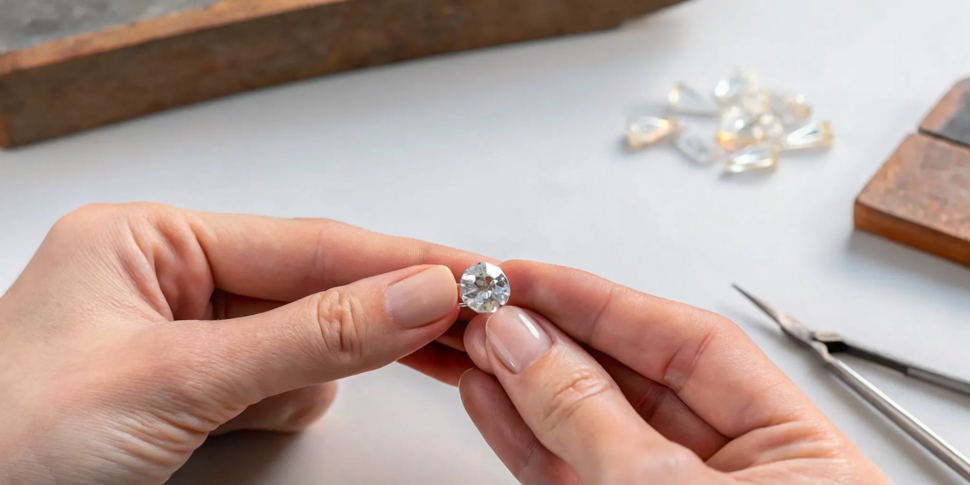
You read the labels on your food and think about where your clothes were made. Applying that same consciousness to your jewelry is a natural next step. The world of fine jewelry can feel complex, but the principles of making a thoughtful choice are the same. It’s about asking questions and seeking transparency. The movement toward ethical sourcing jewelry is about ensuring that the beauty of a final piece isn't built on a foundation of environmental harm or human exploitation. It’s about aligning a significant purchase with your values. This guide is designed to make that process simpler, giving you the confidence and knowledge to find stunning jewelry that not only looks good but does good, too.
Key Takeaways
- Look Beyond the "Conflict-Free" Label: Truly ethical jewelry accounts for the entire supply chain, ensuring fair labor practices for artisans and miners and responsible environmental stewardship.
- Transparency is Your Best Tool: An ethical jeweler will be open about their sourcing. Ask questions about a stone's origin, look for certifications like the RJC, and choose brands that are proud to share the story behind their pieces.
- Responsible Options Don't Limit Style: You can find stunning, unique jewelry without compromising your values by choosing lab-grown gems, recycled precious metals, or timeless vintage and estate pieces.
What is Ethically Sourced Jewelry?
When you find a piece of jewelry that speaks to you, it’s about more than just the design or the gemstone. It’s about the story, the artistry, and the feeling it gives you. Part of that story is where it came from. The term "ethically sourced" has become more common, but what does it actually mean? It’s a commitment to ensuring that the journey of your jewelry—from the mine to your hands—is one of integrity, respect, and responsibility. It’s about making sure that every beautiful piece has an equally beautiful history.
A Simple Definition
At its core, ethically sourced jewelry is created with materials that have been obtained in a way that is socially and environmentally responsible. Think of it as a promise that the creation of your piece did not come at the expense of people or the planet. This means the miners and artisans involved were treated fairly, paid a living wage, and worked in safe conditions. It also means that the mining and production processes were managed to minimize environmental damage, protecting ecosystems for future generations. It’s a holistic approach that considers the entire supply chain.
Why It's a Big Deal
The conversation around ethical sourcing exists because, historically, the jewelry industry has had its share of problems. The industry has faced significant sustainability challenges, from the environmental impact of mining to unethical labor practices. Ethical sourcing is the proactive, positive response to these issues. By choosing ethically sourced pieces, you’re supporting a movement toward greater transparency and accountability. It ensures the story behind your beautiful new ring or necklace is one you can be proud to wear and share—one that champions human dignity and protects our planet.
Why Should You Care About Ethical Sourcing?
The story of a piece of jewelry begins long before it reaches our showroom. It starts deep within the earth, passing through many hands. When we talk about ethical sourcing, we're making sure that story is a good one—for the planet, for the people involved, and for you. It’s about choosing jewelry that not only looks beautiful but also carries a legacy of care. Understanding the impact of your choices can make your favorite pieces even more meaningful.
Protecting Our Planet
Let's be honest: mining is tough on the environment. Extracting precious metals and gemstones can lead to deforestation, soil erosion, and water pollution from harmful chemicals. This disrupts ecosystems and affects our planet's health. Ethical sourcing offers a better way forward. It champions mining practices that minimize environmental damage, focus on land restoration, and manage resources responsibly. When you choose an ethically sourced piece, you're supporting a system that values the Earth as much as the beautiful materials it provides.
Supporting People and Communities
Jewelry is deeply human. It’s crafted by artisans and begins with miners who unearth its raw materials. Ethical sourcing ensures every person along this supply chain is treated with dignity and respect. This means fair wages, safe working conditions, and a firm stance against child labor and exploitation. It goes beyond just "conflict-free" to actively support the well-being of communities that depend on the jewelry trade. By choosing ethically, you help ensure the industry empowers its workers and celebrates the talented designers behind each piece.
Making Choices You Feel Good About
A piece of jewelry often marks a significant moment—a celebration, a commitment, a personal milestone. Knowing your piece was created with integrity adds another layer of meaning to that moment. When you wear ethically sourced jewelry, you carry a story of positive impact. You're making a choice that aligns with your values, supporting fair practices, and protecting our environment. This conscious decision transforms a beautiful object into a symbol of what you believe in, making your special bridal pieces something you can feel truly proud to own and pass down.
The Hidden Costs of Unethical Jewelry
When you find a piece of jewelry that speaks to you, its beauty and craftsmanship are front and center. But behind every gemstone and gram of gold, there’s a story of how it came to be. Sometimes, that story isn’t as beautiful as the final product. Unethical sourcing practices can carry heavy costs that aren’t reflected on the price tag—costs paid by people and the planet. Understanding these hidden impacts is the first step toward making choices that you can feel truly good about, ensuring the jewelry you wear is as beautiful on the inside as it is on the outside.
Conflict Minerals and "Blood Diamonds"
You’ve likely heard the term “blood diamond,” and the reality is just as grim as it sounds. These are gemstones mined in war-torn areas and sold to fund conflicts, perpetuating violence and human suffering. The issue extends beyond diamonds to other materials like gold, tin, and tungsten, which are often labeled as "conflict minerals" when they originate from similar circumstances. When you purchase jewelry made from these materials, you may be unknowingly supporting organizations that engage in armed conflict and human rights abuses. Choosing jewelers who are transparent about their sourcing helps ensure your money supports artisans and communities, not conflict.
The Environmental Impact of Mining
Mining for precious metals and gemstones can take a significant toll on the environment. Large-scale mining operations often lead to deforestation, destroying natural habitats and displacing wildlife. The process can also release harmful chemicals, like mercury and cyanide, into nearby soil and water sources, polluting ecosystems for generations. Beyond the immediate damage, mining is an energy-intensive process that contributes to carbon emissions. This environmental price tag is a crucial part of the conversation, reminding us that the materials we cherish are borrowed from the earth. This is why many of our designers prioritize recycled metals and mindfully sourced stones.
Unsafe Conditions and Worker Exploitation
The story of a piece of jewelry begins with the people who pull its raw materials from the ground. In unregulated mines, workers often face incredibly dangerous conditions with little to no safety equipment. Unfair labor practices are also common, including wages that are too low to support a family and, in the worst cases, child labor. A piece of jewelry can’t truly have soul if its creation involves the exploitation of others. Opting for vintage and estate pieces or jewelry from brands committed to fair labor practices is a powerful way to stand against these injustices and support a more humane industry.
How to Spot Ethically Sourced Jewelry
When you’re ready to find a piece of jewelry that truly speaks to you, knowing its story is part of the magic. But how can you be sure that story is a good one? It can feel overwhelming, but with a little know-how, you can learn to spot the signs of a truly ethical piece. Think of it as becoming a more conscious collector. Here are a few straightforward ways to verify that your jewelry comes from a place of integrity.
Check for Certifications
Think of certifications as a helpful shortcut. They show that a third-party organization has already done some of the vetting for you. Groups like the Responsible Jewelry Council (RJC) set high standards for ethical, social, and environmental practices across the entire jewelry supply chain. When a jeweler or designer is certified by the RJC, it means they’ve committed to following these important guidelines. While a certification isn’t the only thing to look for, it’s a strong indicator that a brand takes its responsibility seriously. It’s a great starting point that gives you a solid foundation of trust before you even start looking at specific pieces.
Look into a Brand's Transparency
Ethical brands are proud of their practices and are usually happy to share the details with you. A jeweler who is committed to responsible sourcing will be open about where their materials come from and who makes their pieces. Look for information on their website about their sourcing policies or the stories behind the designers they feature. A transparent brand can often trace a gemstone’s journey from the mine to the display case. If a company is vague or avoids answering questions about its supply chain, it might be a sign that they don’t have a clear ethical framework in place. True transparency builds confidence and connection.
Ask the Right Questions
Never be afraid to ask questions—it’s one of the most powerful tools you have as a buyer. When you’re considering a piece, especially something as significant as a bridal ring, ask the jeweler directly about their sourcing. Simple questions like, "Can you tell me about the origin of this diamond?" or "What steps do you take to ensure your materials are ethically sourced?" can reveal a lot. A knowledgeable and ethical jeweler will welcome your curiosity and provide clear, honest answers. If you want to have a more in-depth conversation, it’s a great idea to book an appointment so you have dedicated time to get all your questions answered without feeling rushed.
Watch Out for Greenwashing
"Greenwashing" is a term for when a company makes misleading claims to appear more environmentally friendly or ethical than it really is. Vague buzzwords like "eco-friendly," "sustainable," or "conscious" don't mean much without specific details to back them up. True sustainability in the jewelry world is complex and requires a deep commitment that not every producer can afford. So, be a little skeptical of broad, unsupported claims. Instead of falling for fuzzy language, look for concrete proof, like the certifications we talked about or detailed information about a brand’s supply chain. Specifics always speak louder than marketing jargon.
Key Certifications to Know
Trying to figure out what’s actually ethical can feel like decoding a secret language. That’s where certifications come in. Think of them as a helpful shorthand—a stamp of approval that shows a company is committed to responsible practices. While no system is perfect, these labels are a great starting point for understanding where your jewelry comes from and the journey it took to get to you. When you see these certifications, it means an independent organization has verified that a business is meeting specific standards for environmental care, human rights, and fair labor. They help you cut through the noise and identify brands that are truly walking the walk.
Getting familiar with the big four—RJC, Fair Trade, the Kimberley Process, and Fairmined—will make you a much more confident and conscious shopper. It’s about knowing what to look for so you can find a beautiful piece of jewelry that aligns with your values. These certifications aren't just buzzwords; they represent real commitments and rigorous audits. They provide a layer of accountability in a complex global industry, giving you peace of mind that your purchase supports positive change. Learning to spot these labels is one of the most effective ways to make sure the story behind your jewelry is as beautiful as the piece itself.
Responsible Jewelry Council (RJC)
The Responsible Jewelry Council (RJC) is a leading standards-setting organization for the entire jewelry and watch industry. When a business is RJC-certified, it means they’ve committed to ethical practices across their entire supply chain, from mining to retail. The certification covers a wide range of issues, including human rights, labor standards, environmental impact, and business ethics. It’s one of the most comprehensive certifications out there, assuring you that the company is dedicated to responsible sourcing and transparency. It’s a strong signal that you’re working with a jeweler who takes their impact seriously.
Fair Trade
You might associate the Fair Trade label with coffee or chocolate, but it’s just as important in the jewelry world. A Fair Trade certification focuses on empowering small-scale miners and artisans by ensuring they receive fair wages, work in safe conditions, and have opportunities for community development. This approach helps protect marginalized workers from exploitation and ensures that the profits from their hard work are invested back into their communities. When you choose Fair Trade jewelry, you’re directly supporting the talented people behind the piece and helping to create a more equitable supply chain.
The Kimberley Process (for Diamonds)
If you’re shopping for a diamond, especially for an engagement ring, the Kimberley Process is a crucial certification to know. Established to prevent "conflict diamonds" (or "blood diamonds") from entering the mainstream market, this initiative requires participating countries to certify that their diamond exports are conflict-free. While it has faced criticism for not being stringent enough, the Kimberley Process has significantly reduced the trade of diamonds used to fund wars. Always ask if a diamond is compliant with the Kimberley Process to ensure it was sourced with respect for human rights.
Fairmined
Similar to Fair Trade, the Fairmined certification focuses specifically on gold and associated precious metals sourced from empowered, small-scale mining organizations. The Fairmined standard guarantees that the gold was extracted in a way that respects both people and the planet. This includes ensuring safe working conditions, protecting the environment from harmful chemicals like mercury, and paying miners a fair price plus a premium to reinvest in their communities. Choosing Fairmined gold is a powerful way to support artisanal miners and promote more sustainable mining practices from the ground up.
Beautiful Alternatives to Newly Mined Materials
Choosing ethically sourced jewelry doesn’t mean limiting your options. In fact, it opens up a world of beautiful, thoughtful, and unique materials that tell a story of care and consciousness. These alternatives aren't just about making a better choice for the planet and its people; they're about finding pieces with genuine soul. From the scientific brilliance of lab-grown gems to the timeless romance of a vintage ring, you have incredible options that don't require any sacrifice in style or quality. When you explore these materials, you're not just buying a piece of jewelry; you're investing in a story and a set of values that you can wear with pride every single day.
Many of the most innovative designers today are leading the way by embracing these materials. They are proving that luxury and responsibility can go hand-in-hand, creating stunning pieces that you can feel truly good about wearing. Exploring these alternatives allows you to find jewelry that not only looks beautiful but also aligns with your personal ethics. It’s about celebrating craftsmanship and making a choice that has a positive impact, one gorgeous piece at a time. This approach moves beyond fleeting trends, focusing instead on creating a personal collection that is both meaningful and timeless. It’s a shift in perspective that makes the jewelry you choose even more special.
Lab-Grown Diamonds and Gemstones
If you love the sparkle of a diamond but want complete peace of mind, lab-grown diamonds are a fantastic choice. These are not imitations; they are chemically, physically, and optically identical to their mined counterparts. The only difference is their origin. Created in a controlled laboratory environment, they offer a conflict-free alternative with a significantly smaller environmental footprint than traditional mining. This modern marvel of science means you can get a stunning, high-quality stone for your bridal or everyday jewelry without the ethical concerns tied to the diamond industry. It’s a clear, brilliant, and conscious choice.
Recycled Precious Metals
Using recycled metals is one of the most impactful ways to reduce the environmental toll of jewelry production. Precious metals like gold, silver, and platinum can be melted down, refined, and repurposed indefinitely without losing any of their purity or value. This process dramatically cuts down on the demand for new mining, which helps protect natural landscapes and ecosystems. Many contemporary jewelry artists prioritize using recycled or Fairmined metals in their work, making it a hallmark of thoughtful, modern craftsmanship. When you choose a piece made from recycled metal, you’re giving a precious resource a new life.
The Charm of Vintage and Estate Pieces
There is something truly special about jewelry that has a history. Choosing a vintage or estate piece is the ultimate form of sustainable shopping, as it gives an existing treasure a new chapter in its story. These pieces not only offer unique designs you won’t find anywhere else but also carry a sense of romance and character from a bygone era. By opting for a pre-loved item, you are minimizing the environmental impact associated with creating new jewelry from scratch. Our collection of Vintage & Estate jewelry is filled with one-of-a-kind finds waiting to be discovered and cherished all over again.
Common Hurdles When Shopping Ethically
Let’s be honest: choosing ethically sourced jewelry isn’t always a straightforward path. While the intention is wonderful, you might run into a few challenges that can feel discouraging. The good news is that these hurdles are becoming easier to clear as more people care about where their jewelry comes from. Knowing what to expect can help you feel confident and prepared as you search for the perfect piece.
The main challenges usually come down to three things: price, selection, and the sheer complexity of it all. It’s easy to get overwhelmed by confusing supply chains or wonder if you’re sacrificing style for sustainability. But remember, every step you take toward a more conscious purchase makes a difference. By partnering with a jeweler you trust, you can find beautiful, soulful pieces that align with your values without all the guesswork. The goal isn't perfection; it's about making thoughtful choices you can feel proud of.
Navigating the Price Tag
One of the first things you might notice is that ethically sourced jewelry can come with a higher price tag. This isn't about an arbitrary markup; it reflects the true cost of doing business responsibly. When jewelers commit to ethical practices, they’re investing in fair wages for miners and artisans, safer working conditions, and environmentally sound processes. These higher operational costs are an essential part of creating a piece of jewelry that does good in the world. Think of it as an investment not just in a beautiful object, but in the people and planet behind it.
Finding a Wide Selection
It can sometimes feel like choosing ethical jewelry means limiting your style options. While the market is growing, the selection might not seem as vast as what you’d find in a mass-market jewelry store. However, this is changing quickly as the conversation around jewelry shifts toward sustainability. Instead of endless, generic options, you’ll often find a more curated collection of unique, handcrafted pieces. This focus on quality over quantity means you’re more likely to discover jewelry with a real story and soul, created by talented designers who share your values.
Understanding Complex Supply Chains
The journey of a gemstone from the earth to a display case is incredibly complex, and unfortunately, it’s often hidden from view. The jewelry industry faces huge sustainability challenges, from environmental damage to unethical labor practices. Tracing every material back to its origin requires a level of transparency that can be difficult to achieve. This is why it’s so important to work with jewelers who are transparent about their sourcing and partner with designers who are committed to responsible practices. They do the hard work of vetting their suppliers so you can shop with peace of mind.
How to Choose an Ethical Jeweler
Finding a jeweler you trust is the most important step in buying ethical jewelry. Think of them as your guide, someone who can help you understand the story behind each piece and make you feel confident in your purchase. A great jeweler has already done the hard work of vetting designers and suppliers, so you can focus on the fun part: finding a piece you truly love. The right partner will be transparent, knowledgeable, and genuinely passionate about the jewelry they carry. They should be able to answer your questions clearly and honestly, without making you feel pressured or rushed.
This is about building a relationship. You want to find a jeweler whose values align with yours and who is committed to making the industry a more beautiful and responsible place. They should be open about their sourcing practices and proud of the artists they represent. When you find that jeweler, you’re not just buying a beautiful object—you’re investing in a business that cares and supporting a more thoughtful approach to fine jewelry. It transforms the experience from a simple transaction into a meaningful connection.
Check Their Sourcing Policies
A jeweler’s sourcing policy is their commitment to obtaining materials responsibly. It’s their promise that they’ve considered the environmental and human impact of every piece in their collection. A transparent jeweler will have this information readily available on their website, often on an "About Us" or "Our Commitment" page. Look for clear statements about how they source their metals and gemstones. Do they prioritize recycled materials? Do they work with suppliers who can trace a stone back to its origin? An ethical sourcing policy shows that a jeweler is actively thinking about these issues and has put standards in place. If you can’t find it online, don’t be afraid to ask. A jeweler who is proud of their practices will be happy to share them with you.
See Who They Partner With
A jeweler’s values are often reflected in the designers they feature. Many contemporary artists are leading the way by focusing on ethically sourced gemstones and using recycled or Fairmined metals in their work. When a store curates a collection from these types of designers, it’s a strong signal that they share those ethical commitments. Take a look at the brands a jeweler carries and do a little research on them. Do these artists talk about sustainability on their own websites? A boutique that champions independent designers who prioritize responsible practices is making a clear statement. It shows they’ve built a network based on shared principles, which is a great sign for any conscious buyer.
Key Questions to Ask Before You Buy
Walking into a jewelry store and asking pointed questions can feel a little intimidating, but it’s the best way to get the information you need. A trustworthy jeweler will welcome your curiosity and be prepared to answer. Don’t worry about knowing all the technical terms; just be direct and genuine.
Here are a few key questions to get the conversation started:
- Can you tell me about the origin of this gemstone?
- Do you work with recycled precious metals?
- Which of your designers are most focused on sustainable practices?
- What does "ethical sourcing" mean to your store?
These questions open the door to a deeper conversation and help you gauge their commitment. If you’d like to discuss this in person, you can always book an appointment to have a relaxed, one-on-one chat.
Helpful Resources for Conscious Buyers
Feeling a little overwhelmed by all the information out there? You’re not alone. The good news is, you don’t have to become an expert overnight to make a thoughtful purchase. Plenty of organizations and tools exist to help you understand where your jewelry comes from. Making an informed choice is powerful, and these resources are here to guide you. They can help you cut through the noise and focus on what truly matters, so you can find a piece you love and feel great about wearing.
Certification Guides
Think of certification guides as your cheat sheet for ethical sourcing. They break down what different labels and certifications actually mean, so you can quickly assess a piece of jewelry or a brand’s claims. These guides are often published by industry organizations dedicated to creating a more responsible jewelry world. For example, groups like the Responsible Jewelry Council (RJC) set standards for ethical practices across the industry. Using a guide can help you decode the jargon and feel confident that the certifications you see are legitimate and meaningful, taking much of the guesswork out of your search.
Brand Transparency Reports
When a brand is proud of its sourcing, it will want to tell you about it. Look for jewelers and designers who are open about their supply chains. Many will publish transparency reports or dedicate a section of their website to explaining their ethical practices. A truly transparent brand will walk you through every step of a gemstone's journey, from where it was discovered to how it was cut and set. At Element 79, we make a point to partner with designers who are committed to this kind of openness, so you can learn the story behind your favorite pieces.
Educational Tools and Communities
If you want to learn more, there are many resources available. The jewelry industry faces significant sustainability challenges, from the environmental impact of mining to unfair labor practices, and many organizations are working to create change. You can follow ethical fashion bloggers, read reports from industry watchdogs, or join online communities of conscious consumers. These spaces offer a wealth of knowledge and can help you stay up-to-date on the issues that matter most. Every bit of knowledge helps you make choices that align with your values.
Related Articles
- Handmade Fine Jewelry 101: The Ultimate Guide
- Contemporary Fine Jewelry: A Complete Guide
- How to Buy Truly Conflict-Free Diamonds
Frequently Asked Questions
Is ethically sourced jewelry always more expensive? It sometimes can be, and that’s because the price reflects the true cost of creating a piece responsibly. When you invest in an ethically sourced ring or necklace, you’re paying for fair wages, safe working conditions for miners and artisans, and environmentally sound practices. Think of it less as an added expense and more as an investment in a piece with a beautiful story from start to finish.
What’s the difference between “conflict-free” and “ethically sourced”? This is a great question because the terms are often used interchangeably, but they mean different things. "Conflict-free" specifically means that a gemstone—usually a diamond—was not sold to fund a war or civil unrest. It’s an important baseline, but "ethically sourced" is a much broader commitment. It covers everything from environmental protection and responsible mining to fair labor practices and the well-being of the communities involved.
Are lab-grown diamonds a good ethical alternative? Absolutely. Lab-grown diamonds are a fantastic choice if you want complete certainty about your stone's origin. They are real diamonds with the exact same physical and chemical properties as mined ones, but they are created in a controlled environment. This process bypasses the environmental and social issues tied to traditional mining, making them a clear and conscious option.
If I'm feeling overwhelmed, what's the most important first step I can take? The single best thing you can do is find a jeweler you trust. A great jeweler acts as your guide and has already done the hard work of vetting their designers and asking the tough questions about sourcing. When you build a relationship with a store that shares your values, you can feel confident that any piece you choose has a story you can be proud of.
Is buying vintage or estate jewelry automatically an ethical choice? Yes, choosing a vintage or estate piece is one of the most sustainable decisions you can make. Because the jewelry already exists, it doesn’t create any new demand for mining or materials. You are simply giving a beautiful, pre-loved treasure a new chapter in its story, which is a wonderful way to honor both the planet and the craftsmanship of the past.
Recent articles
View all
Brooke's Holiday Favorites - 2025
Holly's Holiday Favorites - 2025